Regulatory Risk Intelligence
Bernstein Reports Potential Crypto Market Downturn If Clarity Act Stalls
According to CoinDesk reporting, broker Bernstein stated in a note that failure to pass the Clarity Act this year would likely send crypto lower, though U.S. regulators are expected to accelerate rulemaking. This assessment, which involves potential impacts on Coinbase and Circle, is not officially confirmed.
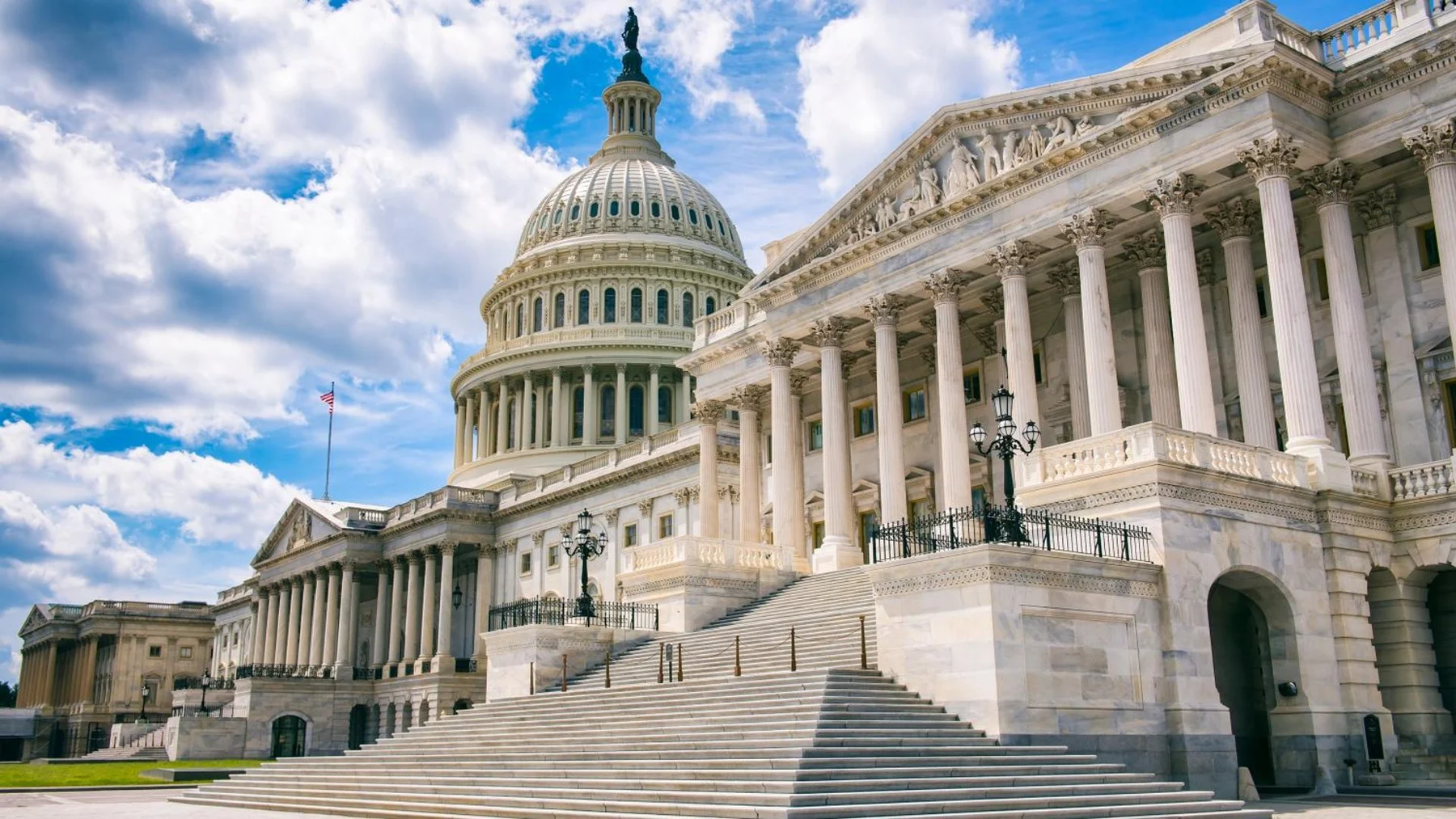
Legislative Outlook and Market Sensitivity Analysis
Recent reporting by CoinDesk outlines an analysis published by Wall Street broker Bernstein regarding the legislative trajectory of the Clarity Act. According to the publication, analysts led by Gautam Chhugani indicated that the probability of the bill passing the U.S. Senate prior to legislative recesses has diminished significantly. Although discussions successfully addressed several intricate matters including stablecoin yield regulations, the tight legislative calendar has created substantial hurdles for final enactment during the current session.
The published commentary emphasizes that market participants have increasingly priced in the prospective benefits of this comprehensive framework. Consequently, any prolonged legislative impasse could disrupt anticipated institutional capital inflows and alter sentiment across digital asset classes. The assessment underscores the intricate relationship between federal lawmaking timelines and the valuation dynamics of major cryptocurrencies, highlighting how market structures remain highly sensitive to political developments within Washington D.C.
Regulatory Agency Adaptation and Alternative Pathways
In the event of a legislative stall, Bernstein’s notes reported by CoinDesk suggest that federal financial regulators would likely pivot toward expedited administrative rulemaking. Specifically, the Securities and Exchange Commission and the Commodity Futures Trading Commission are projected to increase their output under the administration's Project Crypto initiative. This administrative approach would aim to deliver necessary clarity concerning token classifications, decentralized finance protocols, and self-custody operational boundaries without requiring congressional enactment.
While administrative rulemaking can address certain pressing industry needs, financial analysts note that it lacks the permanent statutory foundation provided by primary legislation. Permanent legislative certainty is widely regarded by traditional financial institutions as a prerequisite for committing extensive balance-sheet resources to blockchain infrastructure. Therefore, while regulatory acceleration may temper the negative effects of a stalled bill, it may not entirely substitute for the comprehensive legal protections sought by large-scale market participants and banking entities.
Corporate Implications for Coinbase and Circle
The CoinDesk report highlights distinct operational consequences for prominent industry firms such as Coinbase and Circle if the Clarity Act fails to advance. For Coinbase, the continuation of the legislative status quo means the company can maintain its current offerings of yield on idle stablecoin balances for eligible customers. This revenue stream and customer engagement mechanism would remain uninterrupted under existing regulatory arrangements, avoiding immediate structural alterations to their current product lineup and retail engagement strategies.
Conversely, stablecoin issuer Circle would experience a continuation of restrictions that prevent direct yield-bearing operations for end-users under current federal frameworks. Instead, Circle would continue to rely on distribution economics and partnership agreements with external platforms to sustain its market positioning. The report notes that the trajectory of USDC supply growth remains a pivotal determinant for the equity performance and broader market momentum of both publicly listed entities amidst changing legislative realities.
Broader Industry Sentiment and Institutional Perceptions
Industry observers cited by CoinDesk indicate that the broader digital asset ecosystem maintains substantial political influence despite potential legislative setbacks in the Senate. As the United States approaches midterm election cycles, digital asset advocacy groups and corporate stakeholders continue to engage legislators to preserve regulatory momentum. This political positioning is expected to support market stability and mitigate severe downward pressures as the broader financial landscape navigates macroeconomic shifts and changing political dynamics.
Institutional sentiment remains cautious yet adaptable, with traditional asset managers evaluating alternative deployment strategies across tokenized assets and blockchain infrastructure. While delays in passing the Clarity Act introduce temporary friction, major banking institutions and broker-dealers continue to build technological capabilities behind the scenes. This ongoing preparation suggests that institutional participation is structural rather than purely dependent on a single legislative milestone, even as market participants monitor regulatory announcements closely for signs of policy direction.
Comparative Perspectives and Alternative Financial Warnings
Other major financial institutions have similarly evaluated the deteriorating prospects of the Clarity Act, reinforcing the cautious tone adopted by market analysts. Reports from institutions such as JPMorgan have highlighted that fading legislative odds represent a tangible setback for the digital asset sector. These banking commentaries emphasize that congressional inaction removes one of the most anticipated regulatory catalysts capable of driving sustained market expansion and institutional capital deployment across decentralized finance networks.
The alignment of warnings from multiple financial institutions underscores the shared consensus regarding the importance of federal statutory clarity for the crypto economy. Analysts suggest that while temporary market corrections may occur in response to legislative stalemates, the underlying demand for compliant digital financial products remains resilient. Market participants are advised to weigh these warnings against macroeconomic indicators, token supply metrics, and ongoing administrative regulatory updates when formulating risk management strategies.
Conclusion and Actionable Intelligence Summary
In conclusion, CoinDesk reported that broker Bernstein anticipates a potential market decline for cryptocurrencies if the Clarity Act fails to pass the U.S. Senate this year. This reported market outlook, along with its specific impacts on Coinbase and Circle, is not officially confirmed. Market participants should separate what has been reported by media sources from official regulatory announcements while evaluating risk exposures across digital asset portfolios.
Affected entities include retail and institutional users engaging with digital asset platforms, as well as publicly traded crypto companies navigating regulatory uncertainty. The key change now involves heightened monitoring of legislative timelines and administrative rulemaking by agencies such as the SEC and CFTC. The next recommended action for users and stakeholders is to review portfolio risk parameters, track upcoming regulatory disclosures, and maintain preparedness for potential near-term market volatility.
Cexvia conclusion
Comprehensive Assessment of Reported Legislative Delays and Market Impacts
CoinDesk reported that broker Bernstein warned of a potential market decline if the Clarity Act stalls in the Senate. This reported market outlook and its specific implications for entities such as Coinbase and Circle are not officially confirmed.
- Risk meaning
- The reported legislative stall introduces regulatory uncertainty for digital asset valuations, exchange operations, and institutional participation across global markets.
- User action
- Market participants should monitor legislative progress in the U.S. Senate, assess portfolio exposure to regulatory catalysts, and track agency rulemaking announcements.

Continue reading