Blockchain Security
Bitcoin Completes First Experimental Quantum-Safe Transaction, Starkware Says
According to media reporting by LBank News citing decrypt.co, infrastructure firm Starkware announced the successful mining of an experimental quantum-safe transaction on the Bitcoin mainnet without altering network consensus rules. This development is not officially confirmed by core network developers.
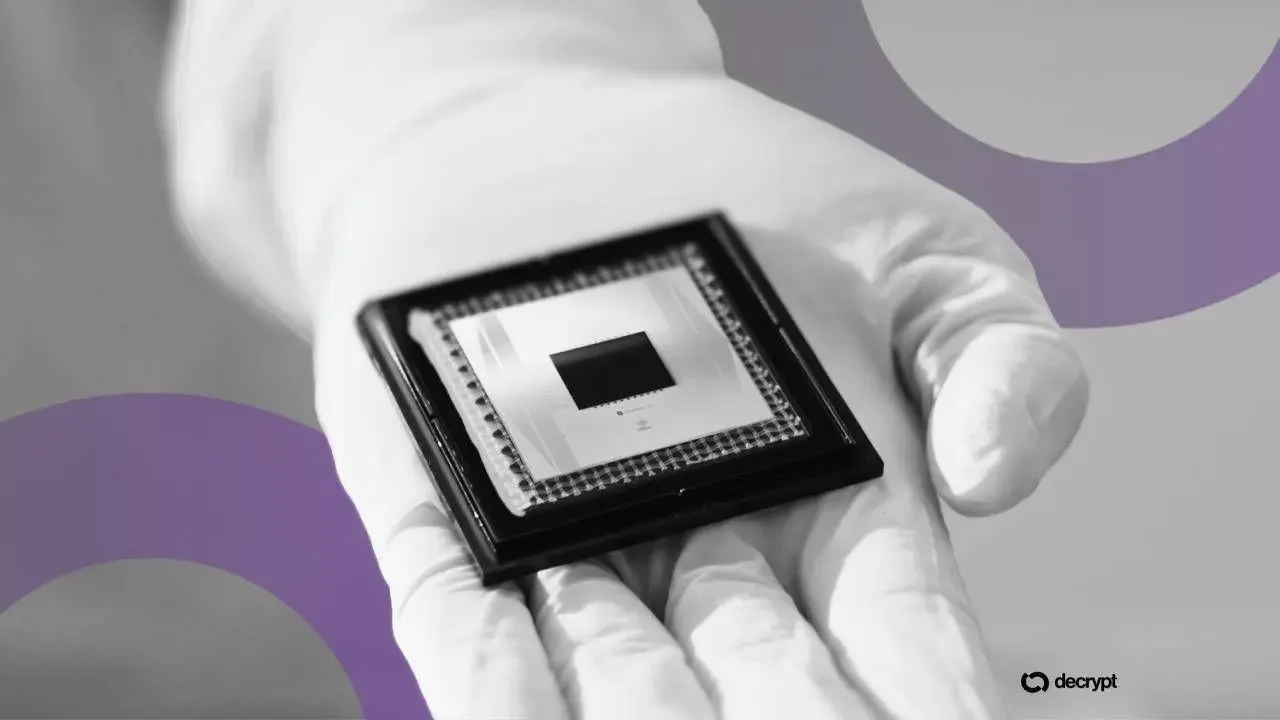
Overview of the Reported Quantum-Safe Transaction
Media reports published by LBank News indicate that blockchain infrastructure entity Starkware has successfully executed and mined an experimental transaction on the primary Bitcoin network designed to resist future computational threats. The reported procedure leverages existing protocol parameters to establish supplementary protection mechanisms without necessitating any modifications to underlying network consensus rules or software requirements. According to the statements attributed to the organization, the mechanism aims to secure digital assets against potential computational capabilities that could theoretically compromise traditional cryptographic schemes in subsequent years. Analysts reviewing the publication note that while the demonstration illustrates innovative conceptual approaches, the broader implications for everyday network participants remain largely theoretical and subject to rigorous scrutiny by independent cryptographers across the global digital asset ecosystem.
The underlying methodology described in the reporting was initially developed by researchers affiliated with the infrastructure firm and subsequently transformed into a functional mainnet operation by internal engineers. The technique incorporates hash-based security frameworks to supplement traditional elliptic-curve cryptography, which has long served as the fundamental cryptographic standard for securing user balances across the network. By performing specific computational work off the main ledger, the procedure attempts to construct transaction formats that current validation logic accepts as legitimate while introducing alternative resistance layers against advanced computing threats. Despite these technical nuances, network observers emphasize that the reported event represents an isolated demonstration rather than a comprehensive architectural transformation for the entire cryptocurrency ecosystem, leaving open questions regarding scalability and practical adoption for average holders.
Technical Framework and Implementation Mechanics
The technical implementation details outlined in the coverage describe a process known as signature grinding, where extensive computational effort is expended off-chain to discover specific transaction hashes that standard validation nodes will accept. This approach bypasses the immediate need for a hard fork or a soft fork, allowing specific asset holders to exercise alternative protective measures independently. However, industry specialists point out significant limitations inherent in this specific design, including the inability to safeguard addresses where public keys have already been exposed through previous outgoing transactions. Furthermore, the reliance on direct transmission paths to specialized miners introduces operational friction that makes the technique impractical for standard retail users engaging in routine peer-to-peer transfers.
Security analysts and cryptography researchers have consistently highlighted that traditional elliptic-curve implementations are vulnerable to advanced algorithms capable of efficiently solving discrete logarithm problems given sufficient processing power. While the experimental deployment attempts to mitigate this vulnerability for targeted holdings, commentators stress that hash-based alternatives cannot completely resolve the systemic risks facing legacy addresses. The engineering team behind the demonstration acknowledged these constraints publicly, emphasizing that the workaround should be interpreted strictly as an experimental proof of concept rather than a universal shield for all circulating coins. Consequently, stakeholders are advised to maintain a cautious perspective regarding the immediate applicability of hash-based fortifications in high-value operational environments.
Industry Context and Strategic Debate
The public discourse surrounding potential mathematical vulnerabilities has intensified across the digital asset sector as organizations evaluate long-term cryptographic resilience. Recent estimates from specialized advisory councils within major industry firms suggest that millions of circulating tokens could face exposure risks due to historical address reuse patterns and publicly available key material. These estimates underscore the growing urgency within the development community to establish robust, standardized defenses before advanced processing technology reaches commercial maturity. Nevertheless, reaching a consensus on the optimal path forward remains exceptionally challenging given the decentralized nature of protocol governance and the inherent risks associated with executing network-wide upgrades.
Leadership figures within the infrastructure firm have openly maintained that while experimental solutions offer temporary reassurance, a formal protocol soft fork remains the definitive long-term solution for safeguarding the network. Company executives have utilized public platforms to advocate for increased seriousness regarding systemic protocol enhancements, arguing that relying on individual workarounds is insufficient to prevent large-scale vulnerabilities. This perspective generates considerable debate among core maintainers, some of whom prioritize extreme backward compatibility and minimal interference with existing operational parameters. As the conversation evolves, stakeholders continue to weigh the trade-offs between proactive code modifications and maintaining the strict immutability that defines the foundational philosophy of the digital asset.
Ecosystem Implications and Market Reactions
Market participants and digital asset analysts have monitored the unfolding reports with considerable interest, evaluating potential ramifications for long-term valuation metrics and investor confidence. While the reported transaction successfully demonstrated an alternative security layer, broad market sentiment has remained largely focused on immediate macroeconomic factors and price resistance levels. Trading desks and institutional custodians have noted that experimental developments of this nature rarely trigger immediate price volatility unless accompanied by confirmed protocol integration or formal network adoption timelines. Consequently, the primary impact of the announcement has been confined to technical forums and research discussions rather than causing disruptive shifts in market liquidity or trading volume.
Independent commentators emphasize that distinguishing between experimental proofs of concept and deployed production code is crucial for institutional participants assessing operational risk. Infrastructure providers continue to stress that widespread adoption of hash-based security mechanisms would require extensive peer review, software client updates, and coordinated miner participation across multiple jurisdictions. Without these foundational steps, individual transactions remain isolated curiosities rather than scalable solutions for institutional capital. Market observers anticipate that technical discussions surrounding computational resilience will persist as a background theme, influencing long-term architectural roadmaps without generating immediate disruptions for current traders.
Conclusion and Strategic Outlook
In conclusion, media reporting indicates that infrastructure firm Starkware successfully executed an experimental quantum-safe transaction on the Bitcoin mainnet utilizing hash-based security and off-chain computational methods. However, these reported claims are not officially confirmed by core network developers or independent verification bodies, and the technique carries significant functional limitations regarding public key exposure and direct miner dependencies. Affected entities include blockchain developers, institutional asset holders, and retail participants navigating the evolving landscape of cryptographic security. What changes now is the heightened awareness surrounding alternative defense mechanisms and the ongoing debate over the necessity of a formal network soft fork to ensure systemic protection. The next action for all stakeholders is to monitor official protocol development channels, disregard unverified claims of network readiness, and await standardized, community-vetted consensus upgrades before implementing any portfolio modifications.
Synthesizing the available information requires a clear separation between the reported experimental achievement and the unconfirmed broader security status of the network. While the successful mining of a hash-protected transaction demonstrates theoretical feasibility under specific conditions, the wider ecosystem remains vulnerable to advanced computational threats until a comprehensive protocol-level upgrade is formally enacted. Affected users must exercise caution against overestimating the readiness of current workarounds, recognizing that isolated demonstrations do not equate to universal protection. Moving forward, the designated course of action demands rigorous independent auditing, active participation in developer governance discussions, and strict adherence to verified software releases issued by recognized maintainers within the global decentralized network.
Cexvia conclusion
Conclusion and Assessment
The reported experimental transaction utilizes existing protocol parameters to establish hash-based security layers, though independent verification remains pending and the underlying claims are not officially confirmed by the broader development community.
- Risk meaning
- The experimental deployment highlights ongoing industry discourse surrounding future cryptographic vulnerabilities, demonstrating that individual risk mitigation techniques can theoretically operate within current constraints while emphasizing the broader need for systemic protocol upgrades.
- User action
- Participants should monitor official communications from core protocol maintainers and avoid relying on experimental workarounds until comprehensive consensus upgrades are formally integrated into the main network architecture.
Continue reading