Market Risk Intelligence
Bitcoin Weathers September Storm as Rate Hikes and Clarity Act Setback Test Bulls
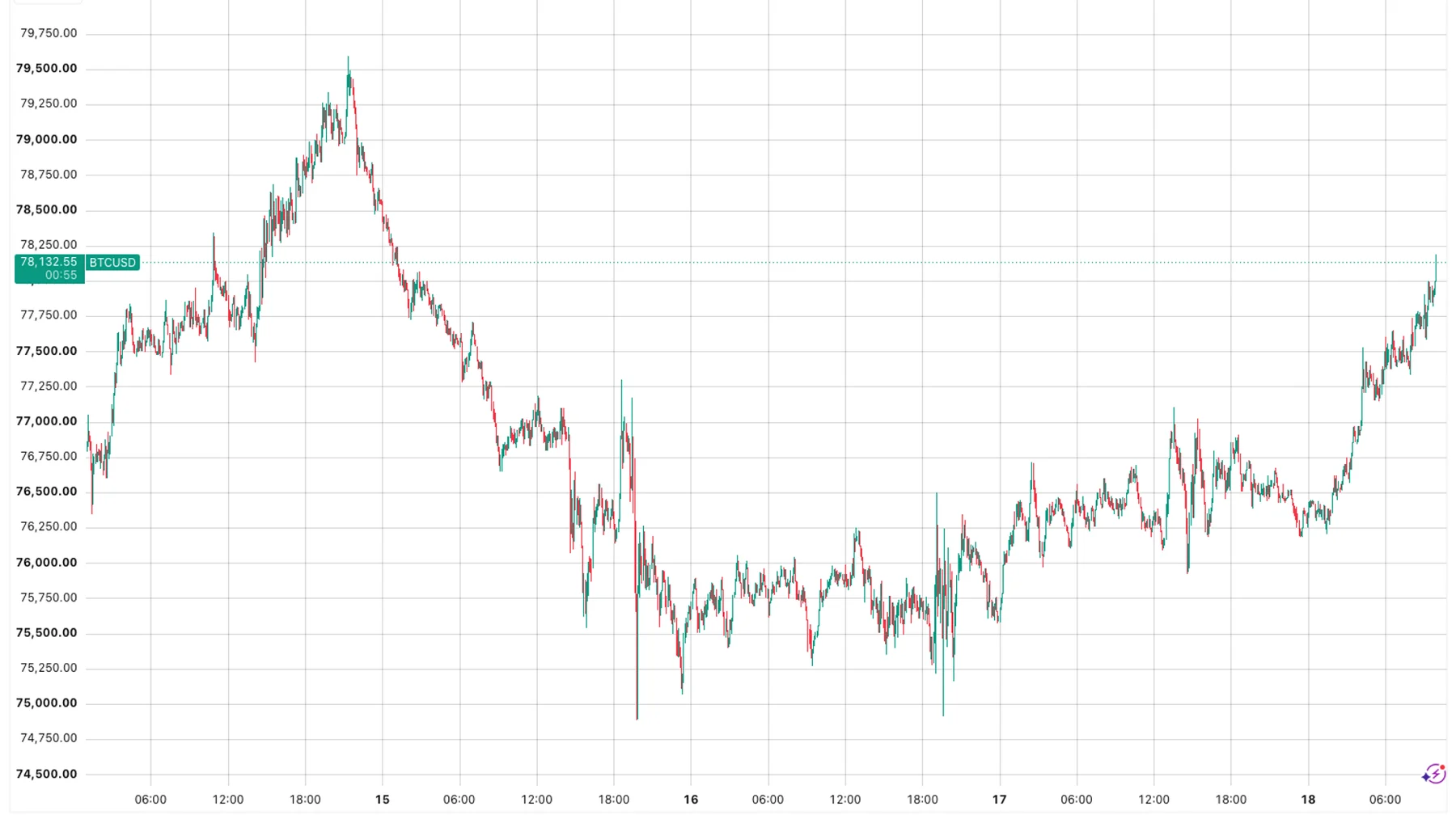
According to CoinDesk reporting, Bitcoin is down just 1.5% in its historically weakest month and remains on track for its first quarterly gain in a year, despite rising rates, surging oil, and a stronger dollar, though these macroeconomic pressures are not officially confirmed.
Macroeconomic Pressures and Policy Headwinds
According to reporting published by CoinDesk, Bitcoin has exhibited notable resilience during September, traditionally recognized as one of the most challenging historical periods for digital asset valuations. Market observers highlighted that despite a barrage of simultaneous macroeconomic challenges, including rising global interest rates, surging crude oil valuations, and a strengthening dollar index, the leading cryptocurrency remained down by a minimal margin. This unexpected price stability has surprised numerous market participants who anticipated a much more severe retracement following the substantial gains accumulated during the previous month. Analysts pointed out that the broader financial environment has been fraught with tightening monetary conditions across multiple major jurisdictions, creating a difficult landscape for risk-sensitive asset classes worldwide.
Further compounding these headwinds, central banks around the globe have continued to adjust their monetary policy stances to combat persistent economic pressures. CoinDesk noted that the Federal Reserve implemented its first benchmark interest rate increase in over three years, while the Bank of Japan simultaneously elevated its borrowing costs to a multi-decade high. These aggressive monetary maneuvers typically drain liquidity from speculative markets and elevate sovereign counterparty risks, yet digital asset markets managed to absorb the shocks without experiencing catastrophic liquidations. Financial institutions specializing in digital asset advisory emphasized that rising bond yields do not invariably translate into negative outcomes for decentralized stores of value, as macroeconomic uncertainty can occasionally stimulate defensive capital allocation into alternative monetary instruments.
Legislative Stalls and Regulatory Developments
In addition to macroeconomic obstacles, the digital asset ecosystem faced significant legislative setbacks in the United States legislative branch. CoinDesk reported that the much-anticipated Clarity Act failed to secure the necessary threshold of sixty votes to advance within the Senate, attracting only forty-nine supportive votes from lawmakers. This legislative failure triggered a brief downward movement in Bitcoin prices, pushing the asset temporarily below critical technical support levels before stabilizing. Market strategists commented that the relatively contained nature of the sell-off strongly suggested that institutional and retail traders had already anticipated and priced in a substantial portion of the regulatory risk associated with the legislative impasse in Washington.
Conversely, the broader regulatory landscape also revealed several encouraging developments that helped offset the legislative disappointment. CoinDesk highlighted that the Securities and Exchange Commission unveiled a long-awaited innovation exemption designed specifically for tokenized securities trading venues. This regulatory adjustment permits qualifying platforms to facilitate compliant onchain trading of traditional equities under clearly defined operational conditions. Industry experts quoted by CoinDesk observed that while the failure to advance statutory legislation undoubtedly delays the establishment of a comprehensive federal framework, existing regulatory agencies retain sufficient authority to provide necessary guidance and maintain orderly market pathways for digital asset participants.
Seller Exhaustion and Market Resilience Dynamics
Market analysts interviewed by CoinDesk pointed to underlying supply dynamics as the primary driver behind the unexpected price stability observed throughout the week. When prominent digital assets refuse to decline significantly in the face of objectively negative headlines, such behavior frequently points toward a phenomenon known as seller exhaustion. Industry commentators explained that market participants who intended to liquidate their holdings due to macroeconomic pressures or legislative failures had already exited their positions, leaving the remaining order books devoid of motivated sellers. This exhaustion of available selling pressure typically characterizes the advanced stages of a cyclical bottoming process within broader financial markets.
Furthermore, derivatives markets and spot trading platforms displayed reduced panic selling despite simultaneous pressures from traditional energy markets. CoinDesk reported that West Texas Intermediate crude oil climbed to a multi-month high driven by persistent geopolitical tensions in the Middle East, a factor that historically exacerbates inflationary fears and weighs heavily on speculative assets. Despite these intersecting crosscurrents, institutional block trading desks reported steady accumulation patterns, indicating that sophisticated investors viewed temporary price dips as tactical entry opportunities rather than structural exit signals for the medium-to-long-term investment horizon.
Quarterly Outlook and Seasonal Historical Patterns
Looking forward toward the conclusion of the current calendar year, market analysts evaluated the historical seasonal tendencies that frequently influence digital asset performance during upcoming periods. CoinDesk noted that while historical data indicates that the thirty-eighth week of the year has occasionally delivered modest average declines, past performance does not guarantee future results. More importantly, market participants are shifting their focus toward the final quarter of the calendar year, which has historically exhibited overwhelmingly positive statistical performance for Bitcoin, delivering substantial average percentage gains across multiple preceding market cycles according to aggregated industry data sources.
The combination of resilient price action, potential seller exhaustion, and favorable historical seasonality has led various institutional market strategists to suggest that the path of least resistance for digital assets points upward. CoinDesk cited commentary from prominent trading advisory firms emphasizing that even a modest improvement in broader geopolitical stability, regulatory clarity, or macroeconomic liquidity could serve as the primary catalyst for the next major upward price expansion. Consequently, market participants continue to maintain an optimistic posture regarding the impending quarterly close, provided that unforeseen external shocks do not disrupt current technical support structures.
Conclusion and Risk Assessment
In conclusion, reported market data indicates that Bitcoin has maintained stability around $78,000 despite reported legislative setbacks involving the Clarity Act and monetary tightening from the Federal Reserve, though these market developments remain not officially confirmed by primary governmental authorities. The affected entity in this market intelligence report is Bitcoin and the broader digital asset trading community, while the primary user groups impacted include retail traders, institutional allocators, and leveraged market participants navigating high macroeconomic volatility. What changes now is that market participants must operate under heightened awareness of potential monetary tightening and evolving regulatory compliance pathways across international jurisdictions.
The next action for all exposed entities involves conducting a thorough risk assessment of their portfolio leverage, monitoring upcoming central bank announcements, and preparing for potential liquidity fluctuations while distinguishing established market data from unconfirmed media reports. While media outlets such as CoinDesk reported resilient price action and seller exhaustion, traders must acknowledge that unconfirmed regulatory shifts and macroeconomic pressures could rapidly alter prevailing market conditions.
Cexvia conclusion
Conclusion and Risk Assessment
CoinDesk reported that Bitcoin has held near $75,000 despite the U.S. Senate stalling the Clarity Act and the Federal Reserve delivering a rate hike, though this market resilience and policy impact are not officially confirmed.
- Risk meaning
- The reported market dynamics demonstrate that digital asset prices can absorb negative legislative outcomes and monetary tightening when seller exhaustion takes hold across trading desks, yet structural volatility remains a key concern for leveraged participants.
- User action
- Market participants should monitor ongoing macroeconomic indicators, central bank policy announcements, and regulatory developments closely while managing risk exposure against potential sudden liquidity shifts and broader digital asset market corrections.
Continue reading