Regulatory Action
Commodity Regulator Submits Crypto Market Oversight Plan for Executive Review
According to Cointelegraph reporting, the United States commodity oversight agency has delivered a preliminary rulemaking document concerning digital asset transactions to the executive branch for evaluation, following legislative stalemate on Capitol Hill. This development remains not officially confirmed by independent direct sources outside the published regulatory filing disclosures.
Context of the Regulatory Filing and Legislative Stall
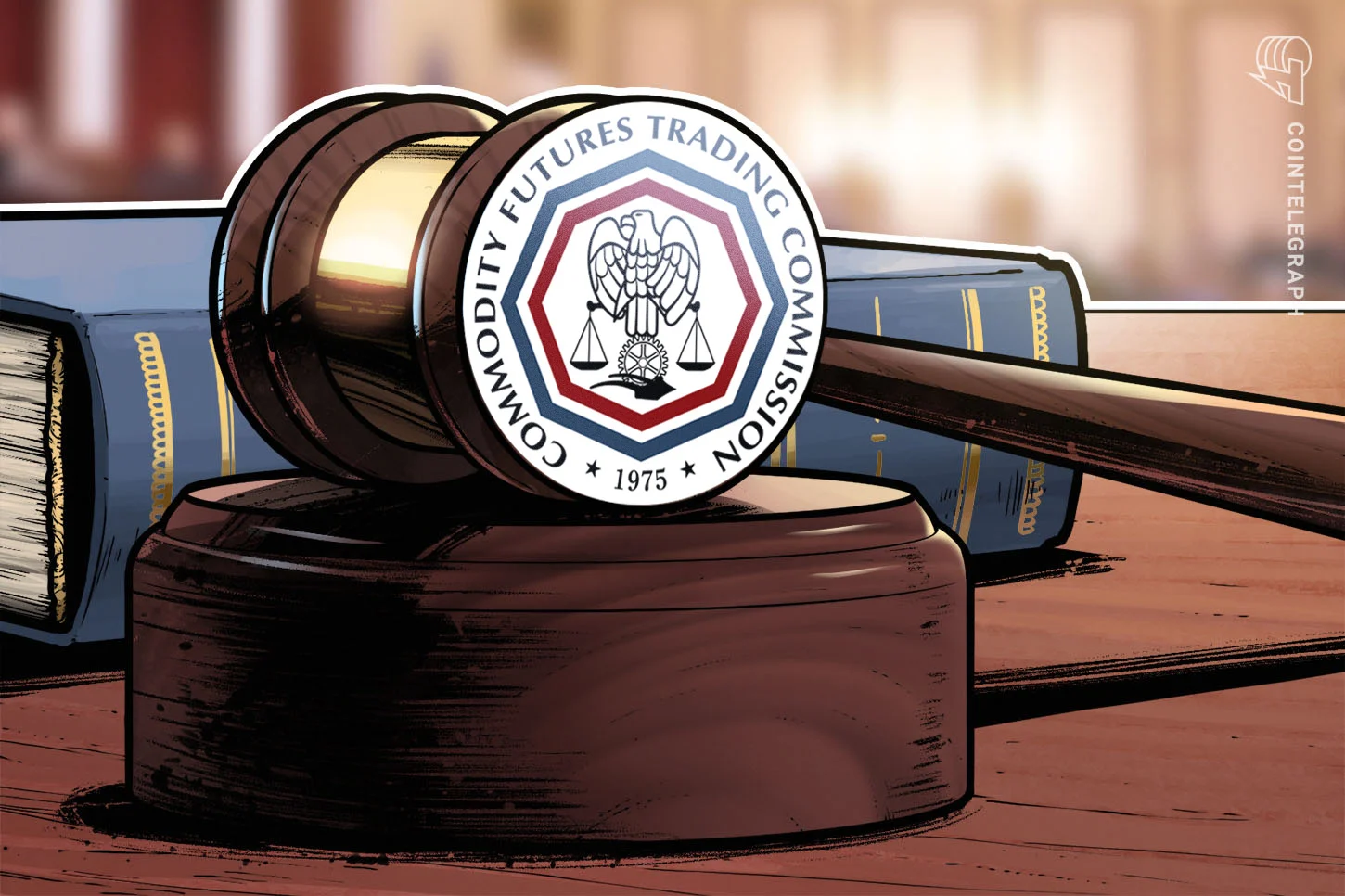
Recent reporting published by Cointelegraph indicates that the primary United States commodities oversight body transmitted an initial regulatory package addressing digital asset markets and transactions for executive evaluation. This administrative step materialized shortly after legislative efforts aimed at establishing a statutory framework for digital assets failed to clear the Senate. Industry analysts observing the legislative landscape noted that the failure of Congress to pass dedicated digital asset bills immediately catalyzed federal agencies to explore alternative pathways for asserting supervisory authority over decentralized and centralized token trading venues alike.
The administrative document, as detailed within public regulatory tracking portals, sits presently at the preliminary pre-rule phase of the federal rulemaking lifecycle. This specific classification denotes that the initiative resides at the absolute beginning of the regulatory formulation sequence, meaning formal text has not yet been subjected to public notice and comment procedures. Observers following the trajectory of digital asset governance emphasize that pre-rule filings represent exploratory intentions rather than binding legal mandates, though they frequently signal the direction agency leadership intends to pursue when statutory pathways through Congress remain blocked by partisan disagreement.
Agency Leadership Posture and Independent Authority
Following the legislative impasse on Capitol Hill, key regulatory principals publicly articulated their preparedness to implement oversight measures relying strictly on pre-existing statutory powers. Statements issued by senior commissioners across financial enforcement divisions underscored a unified institutional willingness to advance rulemakings independently of congressional enactments. Leadership figures emphasized that existing legislative mandates already provide sufficient legal footing to regulate leveraged products and professional trading desks operating within the digital asset ecosystem without requiring specialized congressional legislation.
Market participants and legal commentators parsed these public statements for indications regarding how aggressive forthcoming supervisory expectations might become. Industry stakeholders noted that relying on older statutory provisions could introduce interpretive ambiguities, particularly when applied to blockchain-native protocols and decentralized exchange environments that did not exist when the original commodity laws were enacted decades ago. Consequently, legal counsels representing major digital asset platforms have begun advising clients to prepare for heightened scrutiny regarding margined trading activities and passive software participation.
Scope of Affected Entities and Preliminary Classifications
While specific operational requirements remain unreleased due to the early procedural stage of the administrative action, public registry entries suggest the initiative encompasses comprehensive market categories. Legal scholars reviewing the limited documentation point out that the framework aims to capture entities facilitating leveraged, margined, or financed digital asset transactions. This broad operational net implies that both traditional registrants expanding into crypto derivatives and native digital asset exchanges could fall directly within the eventual regulatory perimeter once the rules progress beyond the pre-rule phase.
Furthermore, concurrent actions taken by sister financial agencies illustrate a coordinated regulatory push across the federal apparatus. Observers noted that exemptions and no-action positions granted to passive software providers and tokenized security platforms occurred in tandem with the primary commodity regulator's administrative filing. These synchronized maneuvers suggest an overarching strategy designed to segment digital asset market participation into distinct functional categories, applying tailored oversight parameters to software developers, intermediaries, and execution venues alike.
Market Reaction and Industry Expectations
Prominent figures within the digital asset industry responded to the administrative developments with cautious acknowledgment, expressing a general consensus that regulatory clarity would eventually materialize despite legislative failures. Executive leadership from major cryptocurrency exchanges observed that market participants are well-accustomed to regulatory evolution driven by administrative interpretation rather than statutory enactment. Analysts emphasized that institutional sentiment has largely priced in the likelihood of agency-led oversight, viewing federal rulemaking as a necessary step toward mainstream financial integration.
At the same time, compliance officers at various digital asset platforms voiced concerns regarding the potential compliance costs associated with adapting to novel administrative classifications. Because pre-rule filings lack granular detail, compliance departments face substantial uncertainty when attempting to model future operational expenditure requirements. Industry associations have consequently begun organizing working groups to prepare formal commentary submissions for when the regulatory proposals advance to the notice-and-comment rulemaking stage.
Assessment and Operational Outlook for Market Participants
Cexvia concludes that while the reported submission of the digital asset oversight plan marks a significant administrative milestone, the substantive impact on day-to-day exchange operations remains not officially confirmed by definitive statutory text. The affected entities, encompassing unregistered crypto exchanges and established registrants offering leveraged derivatives, must navigate a transitional period defined by regulatory ambiguity and heightened administrative scrutiny. Institutional user groups and retail platforms alike should anticipate that compliance thresholds will gradually tighten as executive agencies test the limits of their existing statutory authority.
Moving forward, market participants must establish comprehensive risk-monitoring protocols to track further developments originating from the Office of Information and Regulatory Affairs and the relevant commodity oversight bodies. Affected entities are advised to audit their current product offerings—particularly leveraged and margined contracts—against potential federal contract market standards. Cexvia maintains a vigilant posture regarding these unconfirmed regulatory shifts, ensuring that stakeholders receive timely, evidence-bound intelligence as the rulemaking process evolves from its current pre-rule status into formal administrative proposals.
Cexvia conclusion
Regulatory Trajectory and Unconfirmed Status
Cexvia has established that the reported administrative submission affects digital asset exchanges operating within United States jurisdiction, yet the specific compliance burdens and operational changes remain not officially confirmed pending further procedural advancement.
- Risk meaning
- The transition of oversight proposals into administrative review channels signals potential shifts in how derivatives and spot venues must structure compliance frameworks under existing statutory authorities without waiting for congressional intervention.
- User action
- Affected trading platforms and institutional market participants should monitor administrative filings closely while evaluating current exposure to margin and leverage product offerings under anticipated federal oversight regimes.
Continue reading