Regulatory Risk
Mystery Group Crypto Watchdog Broadcasts Washington Ads as Clarity Act Teeters
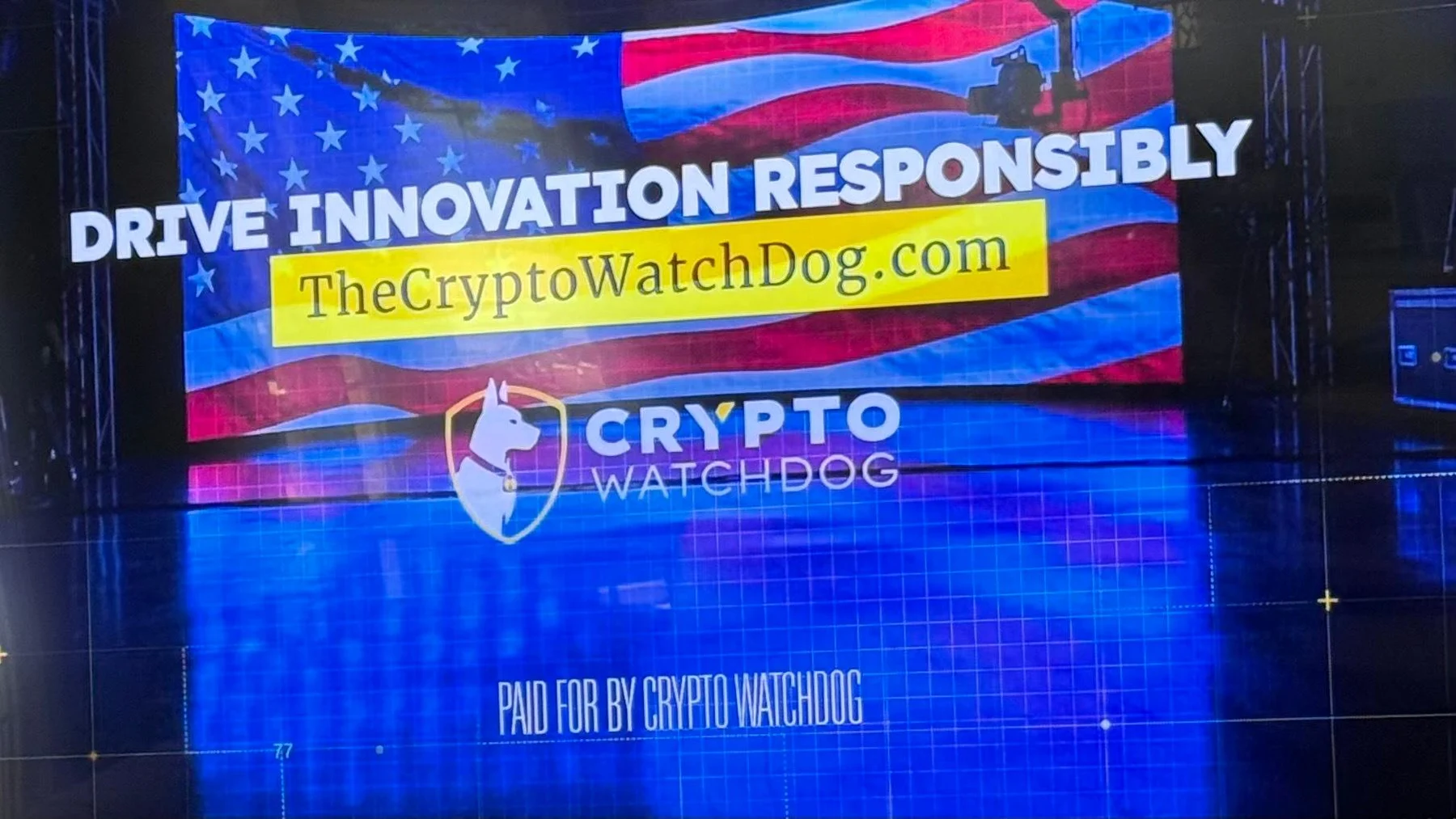
According to CoinDesk reporting, an unrevealed organization named Crypto Watchdog has begun airing television and online advertisements in Washington, D.C., highlighting digital asset risks as the U.S. Senate approaches crucial decisions on the Clarity Act. The funding behind this campaign remains undisclosed, which has not officially confirmed the identity of its financial backers.
The Emergence of Crypto Watchdog in Washington
CoinDesk reported that a previously unknown organization identified as Crypto Watchdog has commenced a prominent media campaign across television and online channels within the Washington, D.C. metropolitan area. The organization reportedly seeks to draw public and political attention toward the perceived hazards and vulnerabilities associated with digital assets as federal lawmakers engage in final negotiations regarding market structure legislation. Executive Director Chapin Fay acknowledged in media interviews that the mission is intended to introduce transparency into a massive financial ecosystem, though the campaign itself relies heavily on framing digital currencies around severe illicit activities such as drug trafficking and terrorist financing.
The timing of this localized blitz coincides with the final legislative hours available to the United States Senate before approaching recess windows, creating heightened sensitivity among policy observers. While media reporting outlines the broad strokes of the promotional effort, independent verification of the organizational hierarchy beyond its public-facing director remains unavailable. Industry analysts observing the Washington landscape note that sudden advocacy spending of this nature frequently accompanies major legislative bottlenecks, serving to amplify specific risk narratives at moments when compromise or deadlock hangs in a delicate balance between competing political factions.
Unidentified Funding Sources and Transparency Questions
A central element highlighted in the CoinDesk coverage involves the strict refusal of Crypto Watchdog leadership to disclose the identities of the individuals or entities financing its operations. When questioned about the financial backers supporting the television commercials and digital banners, Executive Director Chapin Fay declined to speak for the funders, drawing immediate parallels to broader dark-money debates that characterize modern political lobbying in the United States. Critics and industry observers have pointed out an apparent irony in an organization dedicated to demanding transparency from the digital asset sector simultaneously shielding its own financial contributors from public scrutiny.
Fay defended this asymmetric transparency by asserting that industry accountability and the private donor base of an advocacy group represent entirely distinct categories, an argument that has done little to quell inquiries from policy watchers. The absence of confirmed financial disclosures means that public records offer no definitive proof regarding whether traditional financial institutions, rival corporate interests, or wealthy philanthropic donors are underwriting the initiative. Consequently, market participants must process these aggressive public messaging campaigns with the understanding that the underlying financial motives remain officially unconfirmed by transparent third-party audits or regulatory filings.
Legislative Crossroads and the Clarity Act Stalemate
The deployment of the Crypto Watchdog campaign occurs against the backdrop of high-stakes negotiations surrounding the Digital Asset Market Clarity Act within the United States Senate. Lawmakers from both major political parties have spent months attempting to harmonize regulatory oversight for digital currencies, striving to transition the asset class into a fully sanctioned and supervised component of the broader financial architecture. However, the legislative trajectory has encountered stubborn resistance and wavering support as participants grapple with complex compromises, particularly concerning ethical restrictions applicable to senior government officials engaged in digital asset activities.
According to reported legislative dynamics, debates intensified around proposed guardrails following demands from Democratic legislators and a conditional agreement framework involving executive leadership. Despite various bipartisan compromises being floated ahead of scheduled congressional recesses, deep disagreements persist regarding the strictness of ethics constraints and the broader systemic risks posed by stablecoin mechanisms. Banking sector lobbies have simultaneously maintained aggressive pressure on lawmakers, warning that unregulated reward structures on crypto platforms could threaten traditional bank deposits, thereby compounding the legislative gridlock confronting the Senate.
Survey Data and Public Perception Campaigns
As part of its strategic positioning in Washington, Crypto Watchdog publicized survey findings indicating that a substantial majority of surveyed voters harbor high levels of distrust toward digital assets. Commissioned polling data cited by the organization suggested that nearly two-thirds of respondents viewed the cryptocurrency sector with skepticism, aligning closely with independent polling metrics published by media outlets earlier in the year which similarly highlighted widespread public apprehension regarding economic stability and digital currency risks.
Media reporting notes that these polling statistics are frequently utilized by policy advocates to reinforce specific legislative narratives during critical voting windows. By framing digital assets primarily through the lens of consumer vulnerability and financial crime, organizations like Crypto Watchdog seek to shift public opinion away from technological innovation arguments and toward stringent regulatory oversight. Nevertheless, independent analysts emphasize that polling numbers commissioned by partisan or undisclosed advocacy groups should be evaluated cautiously, as survey methodologies and question framing can significantly influence reported outcomes without reflecting a comprehensive market consensus.
Broader Institutional Context and Banking Lobby Pressures
The legislative battleground in Washington is not shaped solely by single-issue pressure groups, but also by entrenched traditional financial institutions actively defending their market positions. Major banking organizations have consistently lobbied federal decision-makers to impose stringent limitations on digital asset platforms, expressing acute concern over stablecoins and yield-generating savings products that rival traditional depository accounts. These banking industry efforts run parallel to crypto-native advocacy campaigns, creating a complex multi-sided lobbying ecosystem where policymakers are bombarded with contradictory warnings about systemic risk and economic competitiveness.
CoinDesk research and broader industry reporting illustrate that traditional financial giants continue expanding their own tokenization and digital custody initiatives even while banking trade associations lobby against permissive crypto regulations. This duality reflects a transitional phase where legacy financial institutions seek to capture the efficiencies of distributed ledger technology while simultaneously attempting to neutralize decentralized competitors through legislative hurdles. Consequently, the interventions of groups like Crypto Watchdog operate within a heavily contested environment where every policy adjustment carries substantial commercial ramifications for both traditional and digital asset service providers.
Conclusion and Unconfirmed Status Implications
In conclusion, media reporting from CoinDesk establishes that a secretive advocacy group operating under the name Crypto Watchdog has deployed aggressive television and online advertising campaigns in Washington, D.C., linking digital assets to illicit finance during the pivotal final Senate debates over the Clarity Act. The affected entities include federal legislators, Washington policymakers, and the broader digital asset user community navigating an increasingly hostile regulatory communications landscape. The primary concrete change now is that public discourse surrounding market structure legislation has become further saturated with unverified risk narratives and anonymous political messaging.
It is important to emphasize that while the existence of the advertising campaign and its executive director have been reported by media sources, the identity of its financial backers remains officially unconfirmed by transparent regulatory disclosures. The next action for market participants and institutional stakeholders is to monitor upcoming congressional decisions regarding the Clarity Act while discounting unverified third-party claims, ensuring that operational and compliance strategies adapt to confirmed legislative text rather than anonymous lobbying rhetoric.
Cexvia conclusion
Evaluating the Unconfirmed Impact of Anonymous Advocacy on Legislative Outcomes
CoinDesk reported that a newly formed advocacy entity termed Crypto Watchdog deployed localized advertising campaigns connecting digital assets to illicit finance while lawmakers debated market structure legislation. This development is not officially confirmed regarding who specifically finances the media push, and affected entities include Washington policymakers and crypto sector participants.
- Risk meaning
- The emergence of secretive lobbying and awareness campaigns during legislative stalemates introduces unpredictable reputational pressure on digital asset frameworks. Market participants must monitor how anonymous public relations initiatives influence fragile legislative compromises in high-stakes regulatory jurisdictions.
- User action
- Crypto market participants and institutional stakeholders should monitor legislative developments surrounding market structure bills in Washington while recognizing that third-party advertisements may carry unverified agendas. Entities operating digital asset services must prepare for potential shifts in compliance expectations driven by intensified political scrutiny.
Continue reading