Regulatory Action
Clarity Act Failure Creates Regulatory Vacuum and Stirs Debate Over U.S. Crypto Competitiveness
According to reporting by CoinDesk, the failure of the U.S. Senate to advance the Clarity Act leaves the domestic crypto market without comprehensive federal oversight, an outcome not officially confirmed by legislative roll-call details in this specific record. Industry leaders debate whether capital will flee to overseas jurisdictions like Asia and Europe or if regulatory agency rule-making can bridge the gap.
Legislative Impasse and Immediate Market Reactions
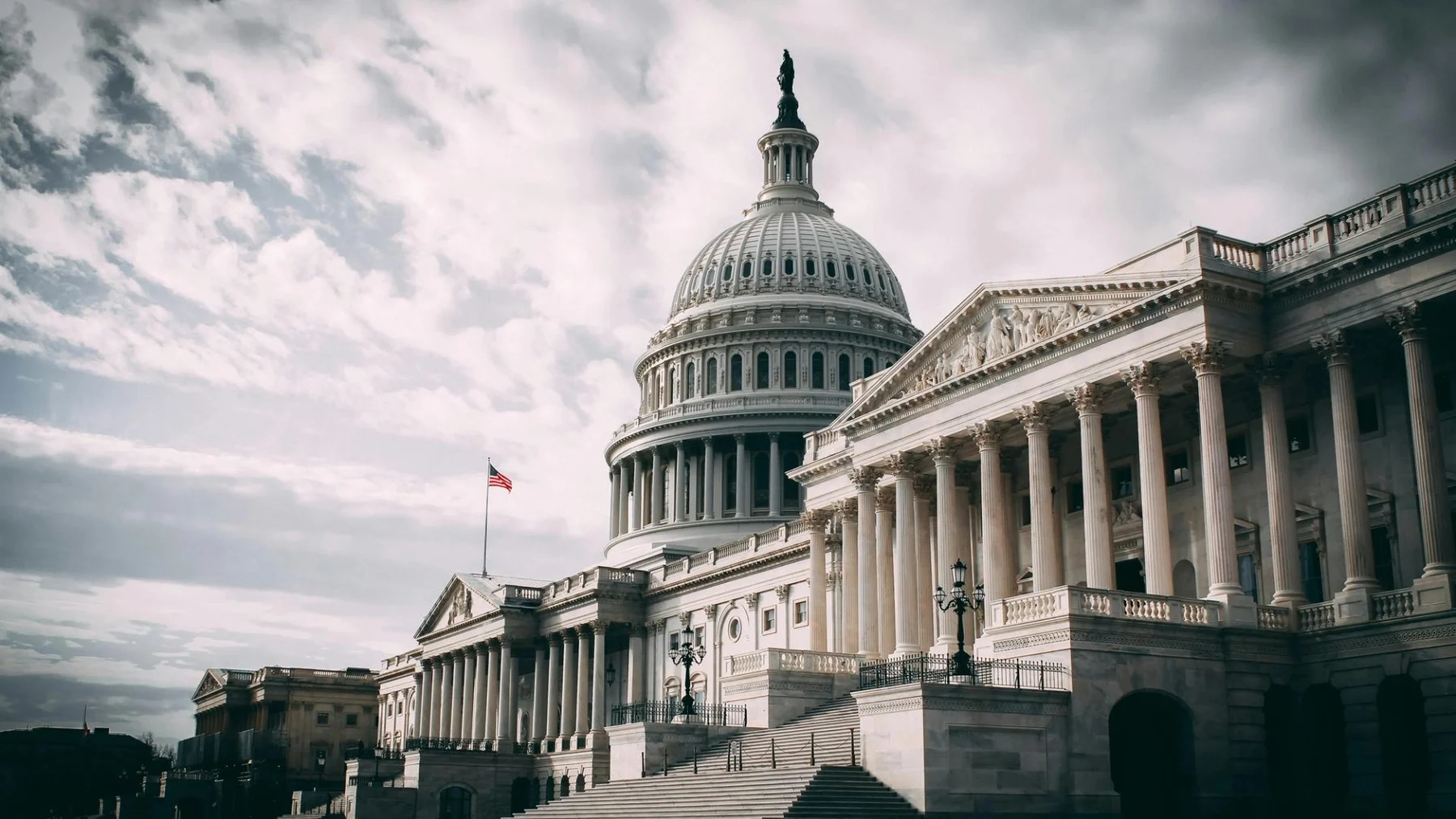
The recent inability of the United States Senate to advance the highly anticipated Clarity Act has generated substantial discussion across the digital asset ecosystem. According to reporting by publisher CoinDesk, this legislative roadblock leaves the world's largest economy without a unified federal framework for digital assets. Market observers note that the lack of statutory direction immediately impacted publicly traded domestic firms and exchange infrastructure providers, highlighting the sensitivity of equities to regulatory developments. Although various industry participants had hoped for definitive congressional action to codify market structures, the failure of the vote forces stakeholders to reassess how compliance and oversight will be managed in the near term.
Furthermore, the public reaction to the legislative stalemate underscores the deep integration between traditional financial markets and crypto equities. Publisher CoinDesk highlighted that prominent exchange operators and stablecoin issuers experienced noticeable downward share price movements following the news of the failed vote. This financial contraction reflects broader anxieties among institutional participants who require legal certainty before allocating capital at scale within the American market. Consequently, the temporary vacuum creates an environment where risk management protocols and compliance frameworks must adapt to persistent uncertainty regarding the ultimate classification and treatment of digital tokens.
Divergent Perspectives on Overseas Competitiveness
Industry leaders hold contrasting views regarding whether the legislative failure will immediately drive capital and innovation toward foreign jurisdictions. Gate CEO Lin Han suggested in reporting by CoinDesk that capital and talent naturally gravitate toward environments featuring the clearest regulatory guidelines. Under this perspective, digital asset service providers holding licenses in well-established foreign markets may capture short-term advantages, potentially drawing business away from the United States. Such dynamics reinforce the argument that prolonged domestic ambiguity could erode the country's standing as a leading financial hub.
Conversely, other executives caution against oversimplifying global capital flows as a direct consequence of a single legislative vote. Bitget CEO Gracy Chen expressed a more reserved viewpoint, emphasizing that the digital asset economy operates globally and that traders will continue pursuing necessary liquidity and products regardless of local legislative setbacks. Similarly, Bitwise Asset Management Chief Investment Officer Matt Hougan characterized the event as a temporary bump rather than a permanent structural roadblock. These differing interpretations illustrate the complex interplay between local legislative hurdles and the borderless nature of crypto liquidity.
Agency Rule-Making as a Partial Bridge
In the absence of comprehensive statutory legislation, attention has shifted toward the discretionary rule-making capabilities of chief financial regulators such as the Securities and Exchange Commission and the Commodity Futures Trading Commission. Prominent legal and industry voices noted in the reporting by CoinDesk that administrative agencies possess the authority to issue guidance and exemptions that can establish a functional path forward. For instance, recent regulatory initiatives concerning innovation exemptions for tokenized securities demonstrate that administrative bodies can act to address specific market needs even when overarching bills stall.
Nevertheless, stakeholders emphasize that agency rule-making remains an imperfect substitute for durable congressional legislation. Experts from blockchain security and policy advisory firms point out that while administrative guidelines offer short-term relief, they lack the permanence required for multi-year capital deployment and extensive infrastructure investments. Consequently, while federal regulators can mitigate immediate operational bottlenecks, the broader quest for absolute legal certainty across the American financial landscape remains unfulfilled until statutory measures are successfully enacted.
Global Jurisdictional Comparisons and Safeguards
The legislative impasse places the United States alongside a select group of major financial centers grappling with regulatory transitions, while international competitors press ahead with comprehensive regimes. The European Union's implementation of the Markets in Crypto Assets framework and evolving Asian regulatory structures highlight the growing disparity in regional oversight. Publisher CoinDesk noted that market participants frequently contrast these established international standards with the current lack of federal statutes in the American market, raising questions regarding long-term investor protection and systemic risk mitigation.
Without an overarching statutory framework, domestic consumers face heightened vulnerabilities when interacting with complex digital asset products and cross-border payment rails. Industry advocates underscore that consumer protection and market integrity cannot be fully achieved through fragmented enforcement actions alone. As foreign jurisdictions continue capturing market share through clear compliance standards, the pressure mounts on American policymakers to reconcile differing legislative priorities and safeguard the nation's technological ecosystem from prolonged marginalization.
Conclusion and Strategic Outlook on Uncertainty
In conclusion, the reported failure of the Clarity Act leaves the United States crypto industry and its user base navigating an extended period of regulatory ambiguity. What has been reported by CoinDesk includes the specific legislative setback, the immediate equity pullbacks experienced by firms such as Coinbase and Circle, and the conflicting commentary from various prominent industry executives regarding overseas capital migration. What remains unconfirmed is whether this legislative impasse will permanently impair U.S. competitiveness or merely serve as a temporary hurdle within a broader multi-year administration timeline.
Moving forward, the affected entity, the U.S. digital asset ecosystem, and the impacted user groups, including domestic retail investors and institutional participants, must adapt their strategies. The next action requires stakeholders to monitor upcoming administrative rule-making from the SEC and CFTC while closely evaluating multi-jurisdictional compliance frameworks to mitigate operational risks in this ongoing environment of uncertainty that is not officially confirmed by final statutory enactment.
Cexvia conclusion
Strategic Outlook Following the Legislative Impasse
The reported legislative setback for the Clarity Act has intensified concerns regarding United States market competitiveness, affecting domestic retail participants and publicly listed infrastructure providers. This assessment remains reported and not officially confirmed by final statutory enactment records.
- Risk meaning
- The absence of statutory clarity heightens operational and compliance risks for crypto entities operating within American jurisdiction, potentially accelerating the migration of talent and financial resources toward regions with established frameworks such as the European Union.
- User action
- Market participants and digital asset platforms should closely monitor ongoing regulatory announcements from the SEC and CFTC while evaluating jurisdictional exposure and compliance readiness across multiple international markets.

Continue reading