Regulatory Risk
U.S. Regulators Rush to Fill Void Following Clarity Act Collapse
According to reporting by CoinDesk, U.S. regulatory bodies are advancing aggressive rulemakings to substitute for the failed Clarity Act, though these administrative measures are not officially confirmed to offer permanent legal certainty for digital asset markets.
Legislative Impasse and the Demise of the Clarity Act
Reporting published by CoinDesk indicated that the legislative effort known as the Digital Asset Market Clarity Act has encountered a decisive political breakdown in Congress, effectively halting comprehensive statutory reform for the domestic digital asset ecosystem. For years, industry participants and legal scholars have debated the precise boundaries separating traditional securities from emerging blockchain commodities, a jurisdictional struggle that historically triggered numerous contentious enforcement actions and costly litigation across federal courts. The proposed statute was designed to establish clear categorical definitions for various blockchain-native assets while simultaneously granting the Commodity Futures Trading Commission explicit supervisory authority over digital asset spot markets, an area that has traditionally lacked a centralized federal supervisor.
Furthermore, the legislative text sought to introduce vital legal protections for decentralized finance software developers, shielding them from liability arising from third-party utilization of open-source protocols. Despite extensive negotiations and broad sector engagement, the legislative framework ultimately collapsed due to contentious political disagreements that extended far beyond the primary financial provisions of the bill. According to analysis covered by CoinDesk, this outcome left the domestic regulatory environment in a precarious condition, depriving market participants of the foundational statutory bedrock that regulatory officials had repeatedly described as indispensable for achieving long-term market stability and legal predictability.
Securities and Exchange Commission Steps Into the Policy Void
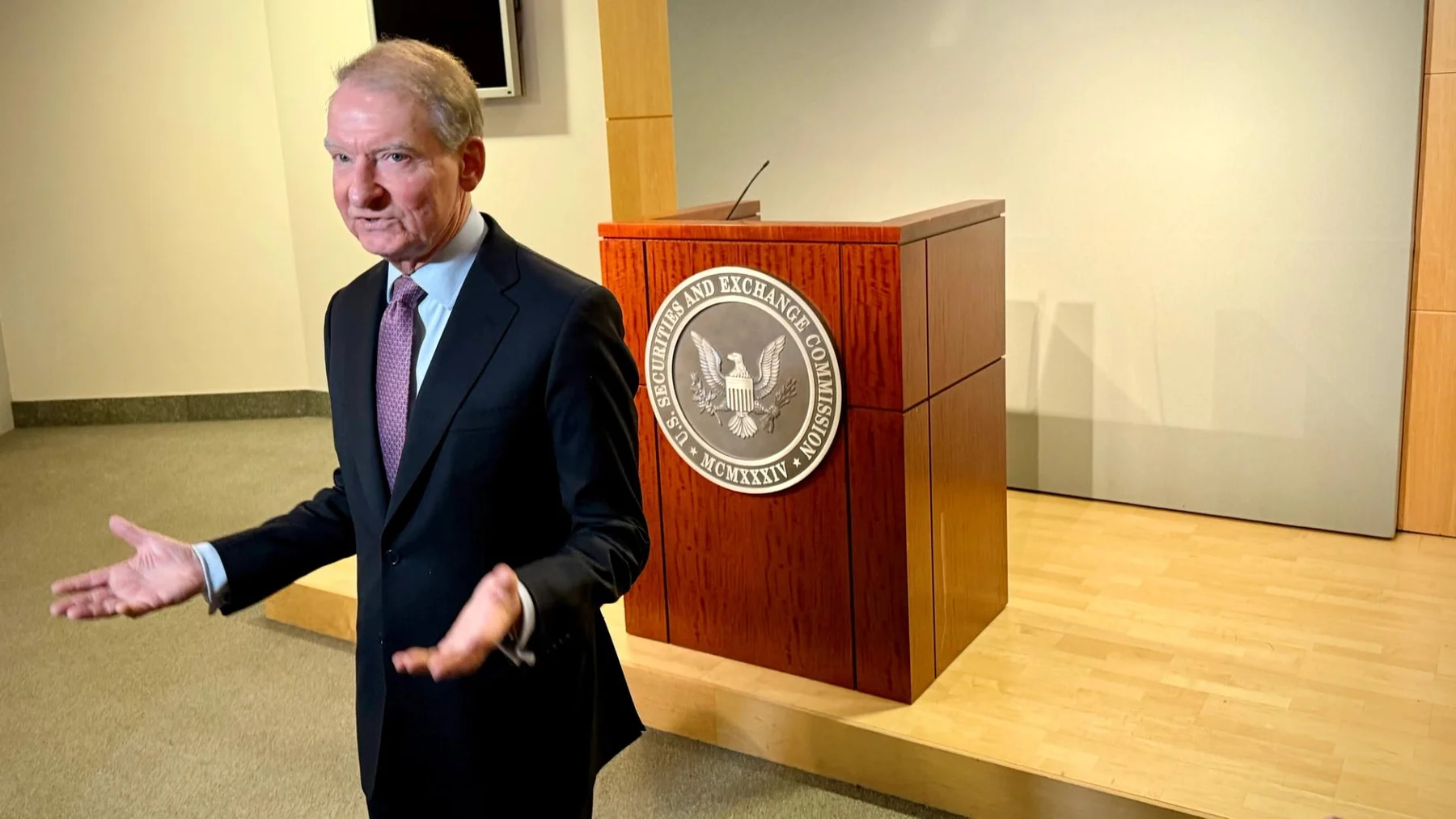
Following the legislative collapse, CoinDesk reported that SEC Chairman Paul Atkins moved swiftly to advance alternative administrative policies, utilizing existing agency powers to construct a piecemeal substitute for the failed statute. The securities regulator initiated several high-profile projects designed to accommodate tokenized financial instruments, proposing new frameworks that would permit blockchain data to serve as an official record of ownership while simultaneously addressing digital asset custody requirements for investment advisers. Because the commission currently operates with an all-Republican lineup and active vacancies, the leadership has been positioned to implement proactive policy initiatives without bipartisan friction, signaling a marked shift toward a more accommodating federal stance.
However, industry analysts emphasized that these administrative rules carry inherent limitations regarding their legal durability compared to congressional statutes enacted by lawmakers. Policy observers noted that while current commissioners can accelerate pro-industry directives rapidly, these measures remain vulnerable to future legal challenges asserting that the agency has exceeded its delegated statutory authority. In addition, a subsequent administration or a politically reconstituted commission could potentially rescind or modify these executive-level rules, leaving regulated entities exposed to ongoing regulatory uncertainty despite the current wave of permissive administrative guidance.
Commodity Futures Trading Commission Advances Parallel Frameworks
Simultaneously, CoinDesk noted that the Commodity Futures Trading Commission, under the leadership of Chairman Mike Selig, has actively sought to expand its oversight footprint over digital commodity derivatives and emerging prediction markets. Operating with a streamlined commissioner structure, the agency has transmitted comprehensive crypto transaction proposals to the White House for interagency review, signaling an aggressive effort to establish functional boundaries for digital asset trading. These administrative actions are intended to address the absence of statutory spot market supervision by creating standardized designations for crypto asset trading platforms akin to traditional contract markets.
Despite these proactive maneuvers, the CFTC's standalone policies do not possess the comprehensive jurisdictional reach that the Clarity Act would have officially codified across all decentralized and centralized market segments. Legal experts interviewed in market reports suggest that piecemeal agency rulemaking could create complex jurisdictional overlaps or regulatory gaps, particularly when digital assets exhibit characteristics of both securities and commodities. Consequently, market participants must navigate an evolving patchwork of administrative interpretations rather than enjoying the definitive legal certainty that only a comprehensive congressional statute could provide.
Industry Implications and Jurisdictional Complexities
The abrupt transition from stalled legislation to executive rulemaking introduces multifaceted compliance challenges for cryptocurrency exchanges, institutional custodians, and decentralized protocol developers operating within the United States. Without statutory harmonization, entities must reconcile conflicting or overlapping expectations from multiple federal regulators, each pursuing distinct policy priorities under the current political leadership. Compliance departments are forced to adapt to rapid administrative updates and proposed rule changes without the permanent legal shielding that a codified statute would have guaranteed against future regulatory shifts.
CoinDesk's reporting highlights that this American regulatory idiosyncrasy—characterized by the division between securities and derivatives oversight—continues to complicate compliance strategies for global digital asset enterprises. Firms seeking to offer innovative financial products, such as tokenized securities or perpetual futures, must carefully evaluate the risk of potential enforcement challenges if administrative interpretations are subsequently contested in federal courts. The lack of unified statutory definitions means that market participants remain vulnerable to shifting enforcement priorities and evolving judicial interpretations of existing financial laws.
Conclusion and Strategic Outlook
In conclusion, CoinDesk reported that the legislative failure of the Clarity Act has prompted U.S. financial regulators to aggressively deploy administrative rulemakings to govern digital assets. However, whether these executive stand-ins can permanently stabilize the sector remains not officially confirmed by first-party authorities. Affected entities, including cryptocurrency exchanges, institutional investors, and digital asset developers, must navigate an uncertain regulatory landscape defined by agency guidelines rather than statutory law. What changes now is that compliance frameworks will be driven by administrative discretion rather than congressional mandate, exposing market participants to potential judicial challenges and future policy reversals.
The immediate next action for industry participants is to audit current operational compliance procedures against newly proposed SEC and CFTC rules while monitoring ongoing legal developments in federal courts. Stakeholders should maintain flexible compliance infrastructures capable of adapting to potential administrative shifts, recognizing that while current regulatory leadership is accommodating, agency-level policies lack the permanence of statutory legislation. All reports regarding the durability and ultimate scope of these replacement rules remain unconfirmed pending official judicial review and future legislative developments.
Cexvia conclusion
Regulatory Transition and Market Outlook
CoinDesk reported that the Securities and Exchange Commission and the Commodity Futures Trading Commission are pursuing standalone regulatory frameworks following the defeat of the Clarity Act in Congress; however, the long-term viability of these agency-led initiatives remains not officially confirmed.
- Risk meaning
- Relying on executive rulemakings rather than statutory legislation creates potential legal vulnerabilities for market participants, as administrative policies can be contested in court or reversed by subsequent political administrations.
- User action
- Crypto asset platforms, developers, and institutional investors should closely monitor ongoing regulatory adjustments from both U.S. watchdogs and prepare for potential compliance shifts resulting from executive-level policy changes.
Continue reading