Regulatory Risk Intelligence
Analysis of FTX Survival Mechanics and the Legislative Status of the CLARITY Act
According to reporting by CoinDesk published on August 7, 2026, Bullish executives argue that traditional financial market convergence with digital assets makes federal legislation imperative, noting that regulated segments of FTX survived its collapse while unregulated parts failed. This information is not officially confirmed by regulatory authorities.
Traditional Finance Onchain Expansion Amid Legislative Deadlocks
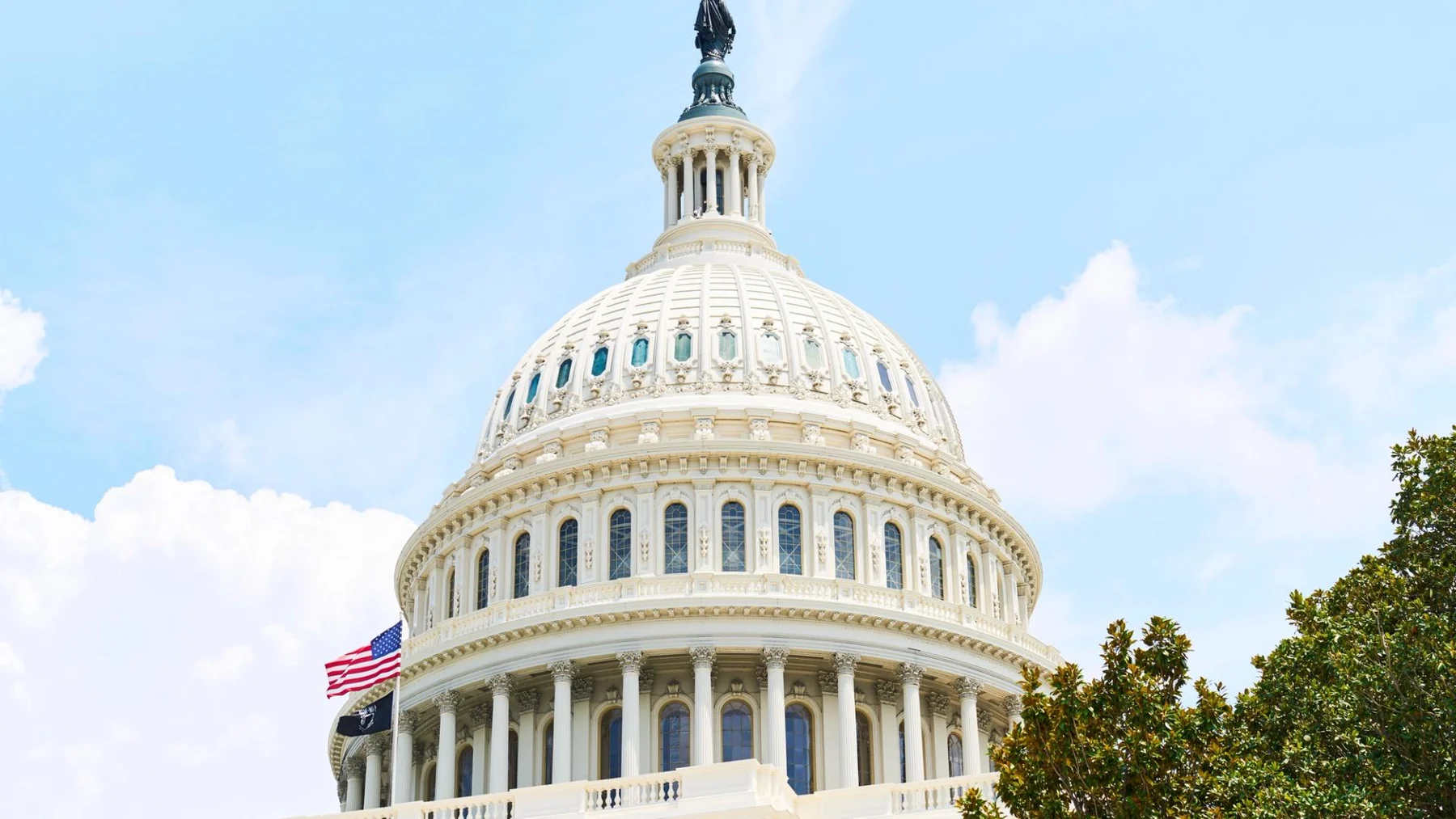
Recent reporting by CoinDesk outlines how major traditional financial institutions have continued expanding their digital asset initiatives despite legislative delays surrounding the CLARITY Act in the United States Senate. Financial market participants have observed entities such as JPMorgan executing tokenized exchange-traded fund holdings through specialized infrastructure pilots, alongside numerous other financial firms engaging in the tokenization of stocks and Treasury instruments. Industry observers note that traditional banking desks frequently treat legislative uncertainty as an isolated digital asset concern rather than a systemic risk factor for broader financial plumbing.
Furthermore, analytical commentary published by CoinDesk highlights potential systemic vulnerabilities arising from the integration of stablecoins and tokenized sovereign debt within mainstream funding markets. Financial stability reports indicate that heavy reliance on short-term government debt instruments by stablecoin issuers creates direct operational links to traditional repo markets. Market commentators warn that unexpected liquidity shocks could propagate rapidly across shared financial infrastructure, potentially impacting institutional desks that maintain minimal direct exposure to crypto-native tokens or decentralized exchange protocols.
Contrasting Fortunes Within the FTX Corporate Structure
According to reports detailed by CoinDesk, a critical observation from past industry collapses involves the divergent outcomes experienced by regulated versus unregulated entities operating under the same corporate umbrella. When the offshore exchange operations of FTX failed amid widespread governance failures and asset misuse, specific regulated subsidiaries such as LedgerX managed to protect and segregate customer funds successfully. This operational survival demonstrated that explicit statutory mandates and regulatory oversight provide robust safeguards against internal corporate mismanagement and sudden liquidity panics.
The reported resilience of legally bound entities within the FTX ecosystem serves as a primary argument for proponents advocating for comprehensive market structure legislation. Industry advocates cited by CoinDesk emphasize that regulatory compliance is not merely an administrative burden but a fundamental structural necessity that prevents catastrophic customer losses. Consequently, the distinction between entities operating in legal gray zones and those bound by federal clearing mandates illustrates the protective utility of established statutory frameworks during systemic crises.
Legislative Landscape and Institutional Advocacy Efforts
CoinDesk reported that prominent financial institutions, including major asset managers and global banking firms, have actively urged Congress to advance regulatory clarity through legislative measures like the CLARITY Act. Proponents argue that establishing a definitive legal framework would foster investor protection, eliminate ambiguities surrounding token classifications, and establish clear guidelines for market intermediaries. Conversely, critics express concerns that proposed legislative language might introduce overly permissive standards or fail to address emerging risks within decentralized finance and algorithmic trading segments.
The political calendar presents significant hurdles for passing comprehensive market structure bills, with legislative windows narrowing significantly ahead of upcoming electoral cycles. CoinDesk noted that the current regulatory regime relies heavily on interpretive notices, administrative guidance, and agency memorandums rather than permanent federal statutes. This regulatory patchwork creates operational uncertainty for digital asset firms, driving capital and talent toward international jurisdictions with more transparent and stable legal environments.
Offshore Migration and Onshore Regulatory Repatriation
Historical analysis provided in CoinDesk coverage indicates that prolonged reliance on enforcement-driven regulation in the United States prompted numerous digital asset enterprises to establish operations in European, Asian, and Middle Eastern jurisdictions. As regulatory discussions evolved in Washington, several prominent firms initiated steps to return or expand their onshore presence to serve institutional clientele within a recognized legal perimeter. This trend demonstrates that market participants prefer operating under structured regulatory oversight when such frameworks provide predictable compliance pathways.
The potential enactment of the CLARITY Act could institutionalize this migration trend, transforming compliant onshore models into the prevailing industry standard. Market infrastructure providers, including multi-jurisdictional platforms like Bullish, actively pursue dual registrations with federal financial regulators to align with institutional compliance demands. CoinDesk reported that establishing permanent onshore rules would mitigate the risks associated with regulatory arbitrage, ensuring that market expansion occurs within secure, federally supervised perimeters.
Systemic Contagion Risks Across Shared Financial Infrastructure
CoinDesk commentary emphasizes that the convergence of digital assets and traditional financial markets introduces complex systemic contagion pathways that require robust legislative safeguards. Because stablecoins and tokenized money market instruments hold substantial positions in sovereign short-term debt, disruptions within digital asset markets can quickly transmit stress into traditional funding networks. International regulatory bodies have cautioned that high-frequency volatility in crypto-asset markets combined with a lack of mandatory clearinghouses could accelerate financial contagion beyond historical benchmarks.
The absence of statutory clearing and settlement mandates for certain digital asset segments leaves market participants vulnerable to default cascades during severe macroeconomic shocks. Financial risk analysts cited by CoinDesk argue that establishing federal oversight and standardized risk management practices is essential to contain defaults before they propagate into broader financial plumbing. Consequently, lawmakers face mounting pressure to enact legislation that bridges the gap between traditional prudential standards and modern digital asset innovations.
Conclusion and Verification Status of Reported Claims
In summary, CoinDesk reported that Bullish executives analyzed how legal protections preserved regulated segments of FTX during its collapse while unregulated operations failed, using this historical precedent to argue for the passage of the CLARITY Act. This overview reflects reported events and industry commentary published by CoinDesk; the underlying strategic interpretations and forward-looking assertions remain not officially confirmed by legislative authorities or independent regulatory bodies. Affected market participants, including institutional desks and retail investors, should note that federal statutory protections for broader digital asset market structures remain absent.
Regarding required next actions, stakeholders must monitor upcoming legislative calendars in September and subsequent sessions while evaluating counterparty risks associated with unverified regulatory frameworks. Institutional operators should maintain robust internal risk controls independent of projected legislative outcomes, ensuring readiness for potential shifts in federal oversight policies. Furthermore, compliance officers must assess the jurisdictional distribution of their asset holdings, keeping in mind that claims regarding legislative impacts and corporate survival mechanics are reported analyses rather than officially confirmed regulatory determinations.
Cexvia conclusion
Conclusion and Operational Outlook
CoinDesk reported that Bullish executives highlighted how legally bound entities within the FTX conglomerate survived while unregulated operations collapsed, underscoring the legislative debate over the CLARITY Act. This account remains not officially confirmed.
- Risk meaning
- The absence of federal statutory clarity leaves digital asset market participants exposed to fragmented state-level oversight and systemic risks arising from shared financial infrastructure between traditional banking and tokenized assets.
- User action
- Market participants operating across institutional and digital asset desks should monitor legislative developments regarding federal market structure bills and evaluate counterparty exposures tied to unverified regulatory frameworks.
Continue reading