Regulatory Risk Intelligence
Legislative Advocates Discuss Potential Lame-Duck Revival for Cryptographic Market Structure Framework
According to reporting published by Cointelegraph, policy advocates suggest that US senators from both political parties are contemplating another attempt to advance digital asset market legislation during the upcoming post-election legislative period, though these potential maneuvers remain not officially confirmed.
Legislative Developments and Congressional Context
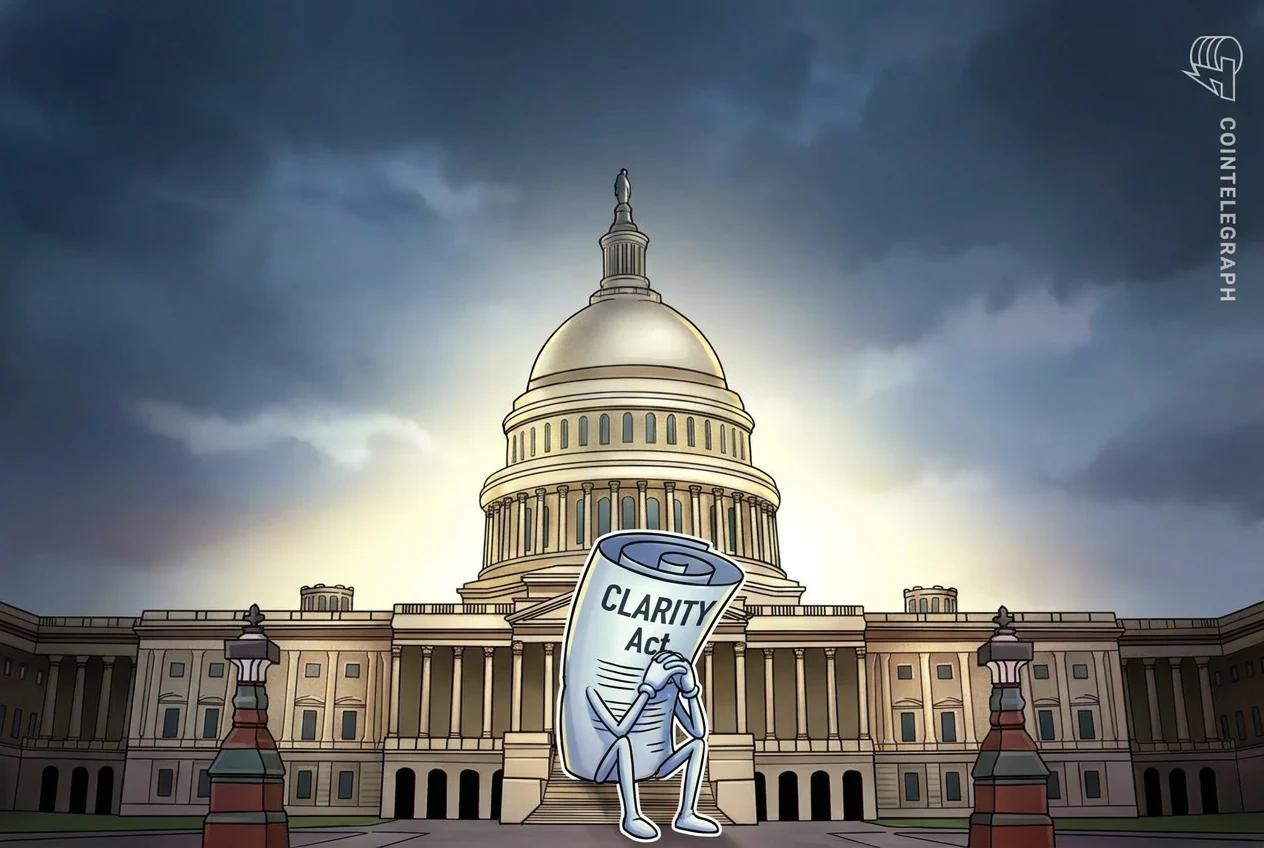
Recent reporting published by Cointelegraph highlighted that United States federal lawmakers might revisit proposed digital asset market structure rules before the expiration of the current congressional session. The public discourse surrounding digital asset legislation intensified following a significant procedural setback in the Senate chamber where a critical cloture vote failed to achieve the requisite threshold of sixty supportive votes. This unexpected outcome created substantial turbulence across various digital asset trading venues and market participants who had anticipated a more streamlined legislative pathway for federal oversight frameworks governing digital commodities and associated exchange activities.
Despite the initial procedural roadblock encountered during the Senate proceedings, external policy advocates have indicated that dialogue between bipartisan lawmakers remains active regarding alternative pathways. According to statements cited by Cointelegraph from organizational leadership within the Digital Sovereignty Alliance, certain senators have expressed a willingness to explore strategic maneuvers during the post-election congressional period. Observers note that while such legislative endeavors during a lame-duck session are historically fraught with procedural difficulties and competing legislative priorities, the persistence of congressional interest underscores the high stakes involved in establishing comprehensive federal rules for the burgeoning cryptocurrency sector.
Advocacy Perspectives and Strategic Assessments
Industry advocates interviewed by Cointelegraph characterized the initial legislative defeat as a formidable obstacle while simultaneously emphasizing that alternative legislative avenues have not been entirely eliminated. The managing director of the Digital Sovereignty Alliance noted in media appearances that direct communications with select lawmakers revealed a remaining appetite among legislative principals to engage opposing political factions before the congressional term concludes. However, these same advocacy sources cautioned that attempting to resurrect complex financial market structure legislation during a compressed legislative window presents extraordinary procedural challenges and represents a decidedly speculative undertaking.
Market analysts evaluating the commentary published by Cointelegraph point out that legislative proposals addressing digital asset oversight often encounter intricate jurisdictional disputes between federal regulatory agencies such as the Securities and Exchange Commission and the Commodity Futures Trading Commission. These ongoing turf wars significantly complicate the drafting and passage of cohesive statutory frameworks, leaving centralized exchanges, decentralized protocols, and institutional investors to navigate an ambiguous compliance environment. Consequently, professional market participants continue to evaluate multiple operational contingencies while monitoring any official announcements originating from Capitol Hill or primary regulatory bodies.
Market Impact and Exchange Compliance Implications
The reporting by Cointelegraph underscores the profound sensitivity of cryptocurrency markets to shifting regulatory and legislative expectations in major jurisdictions like the United States. Trading platforms and digital asset intermediaries depend heavily on clear statutory definitions to determine asset classifications, listing requirements, and operational obligations. When high-profile bills stall or face procedural hurdles, trading venues experience heightened volatility and institutional participants frequently pause deployment capital pending greater certainty regarding future enforcement priorities and supervisory mandates.
Compliance officers at major cryptocurrency exchanges are forced to continuously update risk management matrices to account for both federal statutory initiatives and administrative rulemaking procedures pursued by financial regulators. Because congressional timelines remain unpredictable and subject to last-minute political maneuvers, operational strategies must remain adaptable to sudden shifts in the legal landscape. The possibility of a revived legislative push during the lame-duck session, while currently unconfirmed by official sources, necessitates rigorous monitoring of legislative calendars and continuous engagement with policy stakeholders across the digital asset ecosystem.
Institutional Sentiment and Regulatory Landscape
Institutional investors operating within the digital asset sector have grown increasingly sophisticated in assessing political risk and legislative momentum across North American jurisdictions. According to broader industry reporting highlighted by media outlets like Cointelegraph, delays in enacting permanent statutory frameworks for cryptocurrencies tend to redirect industry lobbying efforts toward administrative agencies and specialized regulatory roundtables. Financial institutions seeking to expand their digital asset product offerings must carefully weigh the likelihood of Congressional action against the probability of aggressive rulemaking from existing regulatory authorities.
The ongoing debate over market structure legislation highlights the fundamental tension between fostering financial innovation and establishing robust consumer protection standards within the digital economy. While proponents of the digital asset industry argue that comprehensive statutory clarity is vital for maintaining technological competitiveness and preventing regulatory arbitrariness, skeptics and traditional financial regulators frequently emphasize systemic risks and compliance vulnerabilities associated with rapid market expansion. This divergence in perspectives continues to shape the legislative trajectory and complicates efforts by lawmakers to forge sustainable bipartisan consensus before electoral cycles reset congressional priorities.
Conclusion and Actionable Intelligence
In summary, Cointelegraph reported that policy advocates believe senators are considering another attempt to advance the crypto market structure bill during the upcoming lame-duck session, though this potential legislative maneuver remains not officially confirmed by congressional principals. This reported initiative directly impacts centralized cryptocurrency exchanges, institutional investors, and digital asset compliance officers operating within or servicing the United States market by keeping regulatory timelines fluid and uncertain.
What changes now is the operational requirement for exchanges and market makers to maintain flexible compliance frameworks capable of adapting to sudden legislative shifts or administrative alternatives. The immediate next action for institutional participants is to establish continuous monitoring protocols for congressional calendars and direct engagement channels with policy advocacy groups to track any verified developments regarding digital asset oversight before the current legislative term concludes.
Cexvia conclusion
Intelligence Summary and Strategic Outlook
Cointelegraph reported that the digital asset regulatory measure could experience a renewed legislative push before the current congressional term expires, a possibility that is currently not officially confirmed by legislative principals.
- Risk meaning
- Uncertainty surrounding legislative timetables complicates compliance planning for cryptocurrency exchanges and institutional market participants operating within the United States.
- User action
- Market participants should monitor legislative updates closely and maintain flexible compliance structures while awaiting definitive regulatory clarity.
Continue reading