Regulatory Risk
Legislative Procedural Vote on Clarity Act Sparks Market Speculation Across Major Digital Assets
According to reporting by CoinDesk published on September 15, 2026, the United States Senate prepared for a consequential procedural cloture vote regarding the proposed Clarity Act, triggering widespread industry speculation about potential valuation impacts on ether, solana, XRP, and bitcoin. Industry commentators cited by the publisher noted that while an unexpected advancement could catalyze immediate bullish momentum, the probability of enactment within the calendar year remained low, a projection that is not officially confirmed by legislative leadership.
Legislative Background and Procedural Timeline Context
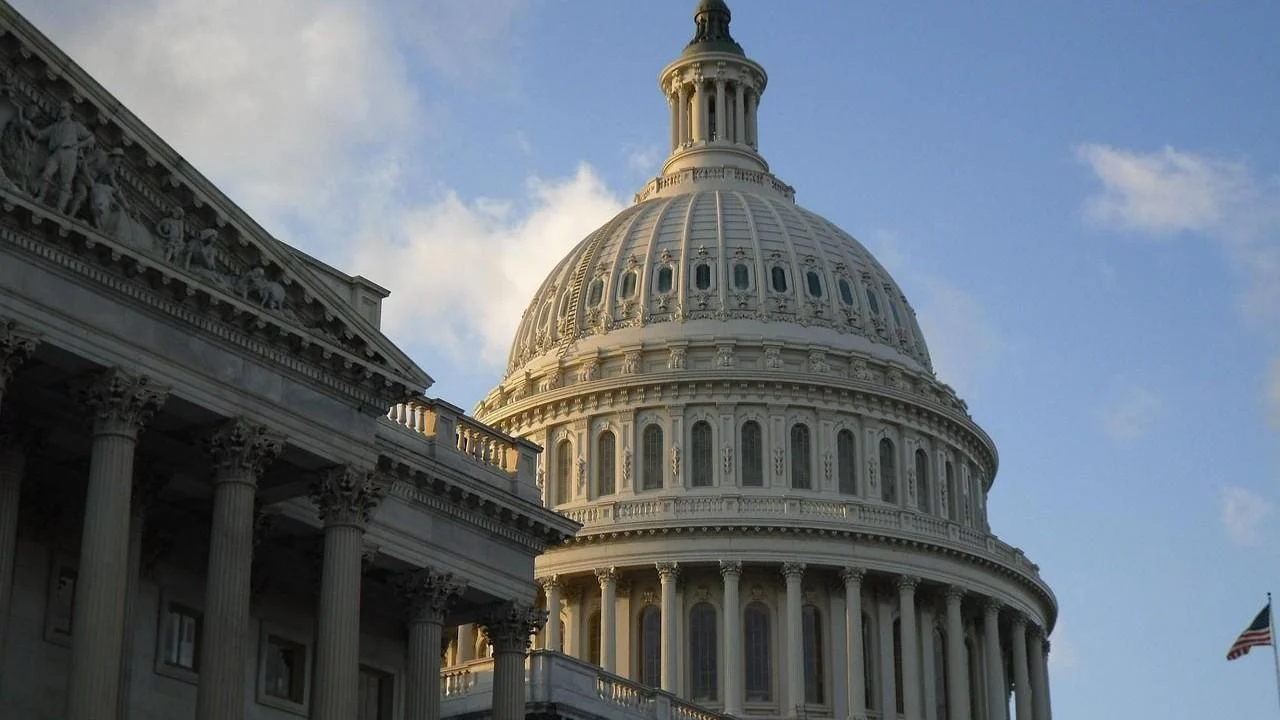
According to reporting published by CoinDesk on September 15, 2026, the United States Senate scheduled a critical procedural vote to determine whether debate could advance on the proposed Clarity Act. This legislative vehicle is designed to establish comprehensive market structure rules for digital assets, clearly delineating regulatory jurisdictions between federal oversight bodies. The publisher noted that a successful cloture vote would merely allow formal legislative debate to proceed rather than enacting the statute into law immediately, highlighting the preliminary nature of the proceeding.
Industry researchers cited in the coverage estimated that the probability of the procedural hurdle clearing successfully was roughly balanced, while the likelihood of final enactment before the conclusion of the calendar year remained limited. These legislative assessments underscore the complex political negotiations surrounding digital asset regulation in Washington. Market observers emphasized that legislative text changes and counter-proposals exchanged between political parties continue to evolve rapidly, creating a highly unpredictable environment for financial institutions and crypto market participants alike.
Market Reaction Scenarios Across Major Digital Assets
Quantitative trading firms and digital asset research analysts outlined distinct valuation scenarios contingent upon the outcome of the Senate procedural vote. Commentary provided to CoinDesk by quant-driven trading entities suggested that an unexpected affirmative vote could spark an aggressive upward trajectory for bitcoin, potentially breaching established technical resistance barriers. Conversely, a rejection of the motion was projected to induce a swift corrective pullback toward lower support levels as leveraged positioning unwinds across derivatives venues.
Beyond the benchmark cryptocurrency, altcoins such as ether, solana, and XRP were identified as potential beneficiaries of regulatory clarity due to their distinct market positions. Researchers pointed out that assets facing higher historical ambiguity regarding their regulatory classification could experience pronounced relative strength if the legislative framework successfully progresses. However, analysts cautioned that traders should differentiate between fleeting headline-driven volatility and sustainable structural repricing requiring genuine volume expansion and institutional follow-through.
Comparative Asset Performance and Institutional Positioning
Market strategists interviewed by the publisher observed that bitcoin might exhibit relative lag during any legislative relief rally because its regulatory classification, exchange-traded fund access, and institutional infrastructure are already comparatively well established. In contrast, ether was highlighted as a primary beneficiary owing to its ongoing regulatory questions and its vital role as a foundational settlement layer for decentralized finance, stablecoin activity, and tokenized real-world assets. Analysts emphasized that the shifting legal framework could significantly alter capital allocation patterns across these leading digital ecosystems.
Additional commentary indicated that decentralized finance governance tokens, including UNI and AAVE, could provide higher-beta exposure if the legislation ultimately codifies robust legal protections for non-custodial software developers and decentralized protocols. Similarly, assets like Solana and XRP were noted for their potential to attract increased institutional capital inflows if jurisdictional boundaries between financial regulators become firmly established. Nevertheless, market experts stressed that these prospective advantages remain speculative until formal legislative enactment occurs.
Macroeconomic Headwinds and Broader Market Intersections
Industry experts contributing to the CoinDesk coverage cautioned that legislative developments do not occur in a vacuum and must be evaluated alongside prevailing macroeconomic conditions. Specifically, impending central bank policy announcements and potential interest rate adjustments pose significant liquidity risks that could counteract positive regulatory momentum. Tighter monetary policy environments historically create headwinds for risk-on assets, potentially dampening the scale of any crypto market rally triggered by legislative progress.
Furthermore, concurrent developments across traditional financial markets, such as surging sovereign bond yields and escalating commodity prices, contribute to a complex risk environment for digital asset investors. Global macroeconomic pressures, including rising energy costs and sovereign debt market volatility, continue to influence risk appetite across institutional portfolios. Consequently, market participants navigating the legislative vote must account for multifaceted cross-market correlations that can amplify downside risks during periods of acute financial stress.
Conclusion and Concrete Risk Finding
In conclusion, the reporting by CoinDesk highlights that the Senate procedural vote on the Clarity Act represents a major focal point for digital asset markets, with potential sector-wide implications for tokens including ether, solana, and XRP. The affected entities encompass cryptocurrency exchanges, institutional investment funds, and retail market participants exposed to high-beta digital assets. Based on the reported developments, market participants must acknowledge that legislative advancement remains uncertain, as the procedural vote does not constitute final enactment into law. All forward-looking valuations and anticipated regulatory benefits discussed in the source material remain not officially confirmed by legislative authorities.
Moving forward, affected users and institutional stakeholders must immediately adjust their risk monitoring frameworks to account for potential binary outcomes surrounding the legislative process. Market participants are advised to verify all official legislative announcements directly through parliamentary records rather than relying on unverified preliminary reports. Traders must implement strict risk controls, limit excessive leverage, and prepare for heightened volatility as macroeconomic pressures and political negotiations continue to shape the regulatory landscape for digital assets.
Cexvia conclusion
Strategic Takeaways and Immediate Risk Management Imperatives
The reported legislative milestone centers on a procedural Senate vote concerning market structure rules for digital assets, which analysts suggest could preferentially benefit altcoins facing higher historical regulatory uncertainty while leaving bitcoin relatively subdued due to existing institutional integration. Market participants, including traders and institutional researchers, evaluated scenario outcomes ranging from aggressive upside breakouts to sharp corrective pullbacks, though these projections remain not officially confirmed by government bodies.
- Risk meaning
- Regulatory developments of this magnitude introduce acute volatility risks for digital asset traders and institutional market makers who maintain directional exposure across various crypto tokens. When legislative votes coincide with critical technical resistance levels and macroeconomic announcements, such as impending central bank interest rate decisions, liquidity conditions can deteriorate rapidly and generate cascading liquidations across leveraged derivatives markets.
- User action
- Digital asset investors and market participants should closely monitor official legislative progress updates while avoiding excessive leverage during pivotal political events. Traders are advised to verify all procedural announcements independently, implement robust risk management controls, and refrain from treating unverified market commentary or preliminary legislative speculation as definitive outcomes.
Continue reading