Regulatory Risk
Evaluating Potential Legislative Pathways for the Digital Asset Market Clarity Act in the U.S. Senate
According to reporting by CoinDesk, the U.S. Senate faces multiple uncertain outcomes regarding the Digital Asset Market Clarity Act ahead of its summer recess. These legislative developments are not officially confirmed by formal floor schedules.
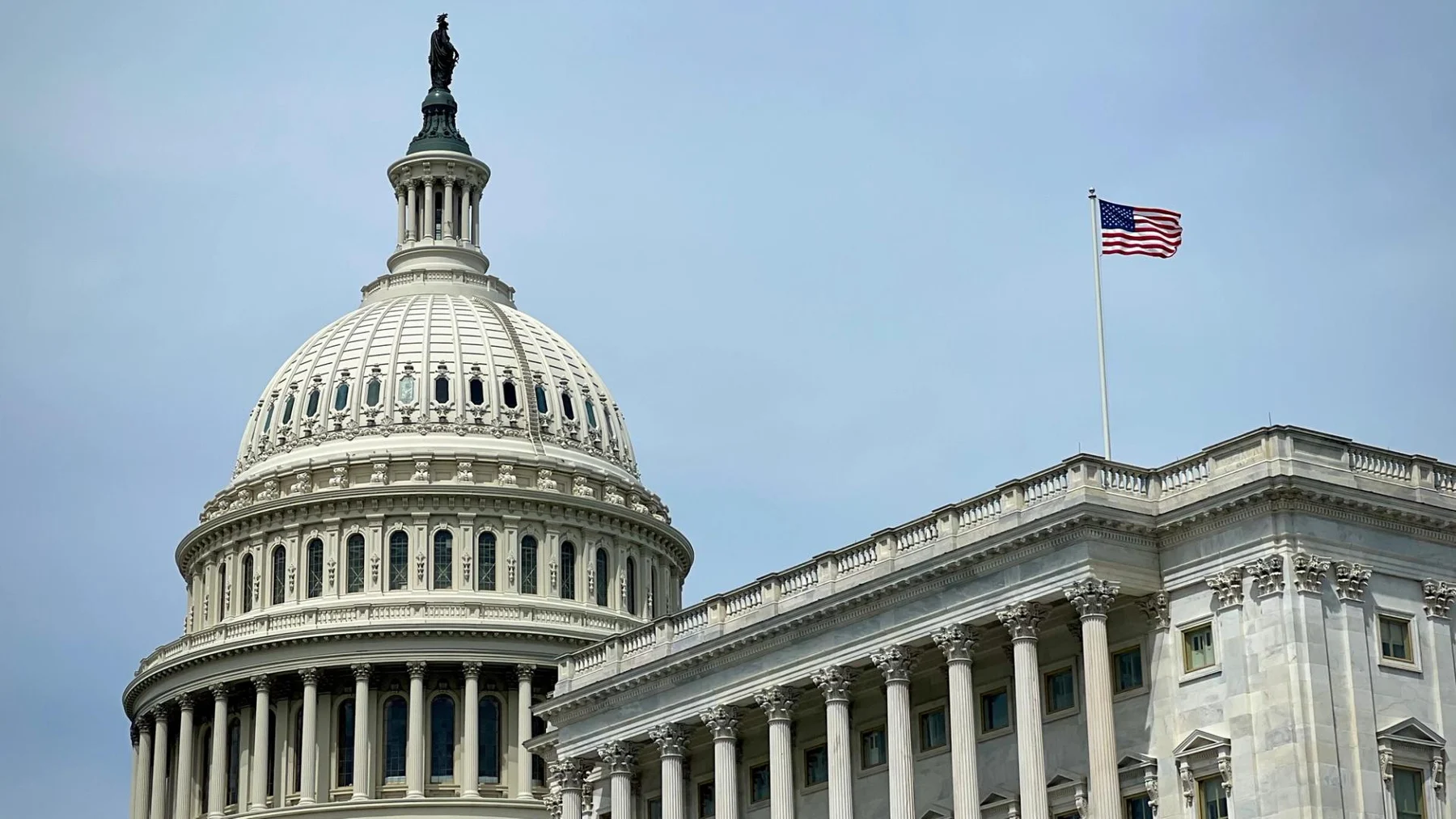
Legislative Uncertainty Before the Summer Recess
Reporting from CoinDesk indicates that the trajectory of comprehensive market structure legislation has entered a critical and volatile phase as the legislative calendar winds down toward the scheduled summer break. Observers tracking federal policy developments note that congressional leaders have not yet signaled definitive plans to advance the Digital Asset Market Clarity Act before lawmakers depart Washington, D.C. This absence of clear scheduling creates a complex operational environment for digital asset entities seeking regulatory clarity.
The operational timeline for the Senate is further constrained by a heavy roster of competing legislative requirements, including federal funding resolutions and high-profile nomination battles. Industry analysts emphasize that unless floor leaders choose to extend the working session past the traditional adjournment date, the window for meaningful procedural action on this specific financial market reform bill narrows significantly, leaving stakeholders waiting for official announcements.
Core Negotiation Points and Outstanding Provisions
According to details shared by legislative staff members with media outlets, several substantive provisions within the proposed statute remain under active negotiation between lawmakers and executive branch officials. These contentious areas encompass rigorous measures addressing illicit finance channels and specific agricultural policy intersections that require careful harmonization across committee jurisdictions. Furthermore, ethical safeguards designed to prevent high-ranking government officials from capitalizing on industry affiliations are currently a major focal point of discussion.
Senate negotiators have transmitted targeted ethics proposals to the White House for review and formal feedback, with discussions reportedly gaining modest traction as administrative officials begin engaging with the text. The incorporation or rejection of these ethics adjustments could heavily influence whether key legislative caucuses unite behind the procedural votes necessary to advance the broader market framework through the upper chamber of Congress without encountering partisan stalemates.
Scheduling Pressures and Alternative Pathways
Should legislative leaders decide against extending the current session, the immediate outlook for the Clarity Act depends heavily on whether procedural mechanisms such as cloture filings are initiated before the deadline. Media reports outline various theoretical scenarios ranging from rapid weekend floor activity to a complete postponement of the legislative agenda until the Senate reconvenes following its fall return to the capital district.
Even if the Senate elects to resume debate during the compressed autumn legislative window, lawmakers will face an extremely restricted number of working days alongside mandatory debates on government funding and appropriations. Parliamentary experts suggest that navigating a complex financial reform bill through both chambers under such severe time constraints requires unprecedented bipartisan consensus and extraordinary cooperation among Senate leadership.
Broader Legislative Agenda and Competing Priorities
The legislative stalemate reflects a crowded calendar dominated by emergency fiscal measures, judicial and executive nominations, and international sanctions discussions. The nomination process for key federal leadership roles, including the Attorney General position, demands substantial floor time and procedural votes, naturally displacing lower-priority commercial and financial market proposals from immediate consideration.
Independent journalistic accounts underscore that while industry stakeholders remain highly mobilized and hopeful regarding the eventual establishment of a statutory digital asset framework, macroeconomic and geopolitical distractions continue to pull legislative attention in multiple divergent directions. Consequently, the timing of any definitive floor action remains fluid and subject to sudden shifts in congressional strategy.
Market Implications and Compliance Environment
The ongoing legislative delay underscores the persistent regulatory ambiguity that characterizes the digital asset ecosystem in major Western jurisdictions. Centralized trading platforms, institutional custodians, and decentralized finance developers continue to operate under a patchwork of enforcement actions and state-level guidelines rather than a unified federal statute designed specifically for tokenized financial instruments.
Compliance officers across major exchange platforms are advised to monitor these unfolding policy debates closely, as sudden legislative breakthroughs or prolonged deadlocks directly impact capital allocation strategies, listing frameworks, and cross-border operational compliance. Understanding the nuances of these proposed statutes remains essential for risk management divisions navigating an evolving legal landscape.
Analytical Conclusion and Next Steps
In summary, reporting by CoinDesk establishes that the Digital Asset Market Clarity Act faces significant scheduling hurdles and unresolved negotiations before the Senate summer recess, though these legislative outcomes remain not officially confirmed. The affected entities include centralized crypto exchanges, institutional market makers, and retail user groups navigating an uncertain regulatory perimeter. What changes now is the immediate focus on whether congressional leaders will extend legislative sessions or defer deliberations until the autumn return. The next required action for industry participants is to track procedural developments while maintaining flexible compliance frameworks.
It is important to separate what has been reported regarding ongoing negotiations and potential scheduling scenarios from what remains entirely unconfirmed by official parliamentary announcements. While media outlets track potential floor votes and executive branch feedback, formal legislative commitments have not been locked in by Senate leadership. Stakeholders must continue to verify updates through official congressional channels and prepare for multiple regulatory contingencies as the legislative calendar progresses.
Cexvia conclusion
Strategic Outlook and Legislative Realities
CoinDesk reports that the fate of the Digital Asset Market Clarity Act remains precariously balanced in the U.S. Senate as lawmakers navigate competing priorities, outstanding ethics negotiations, and scheduling constraints. This assessment is not officially confirmed.
- Risk meaning
- The uncertainty surrounding legislative timelines introduces regulatory ambiguity for digital asset participants, affecting long-term compliance planning and market structure expectations across centralized exchanges and institutional platforms.
- User action
- Crypto market participants and compliance teams should monitor ongoing congressional deliberations, evaluate potential regulatory shifts, and maintain flexible operational frameworks while awaiting definitive legislative outcomes.
Continue reading