Regulatory Risk
Crypto Bill Ethics Provision Could Let Trump Defer Millions in Taxes, Bloomberg Reports
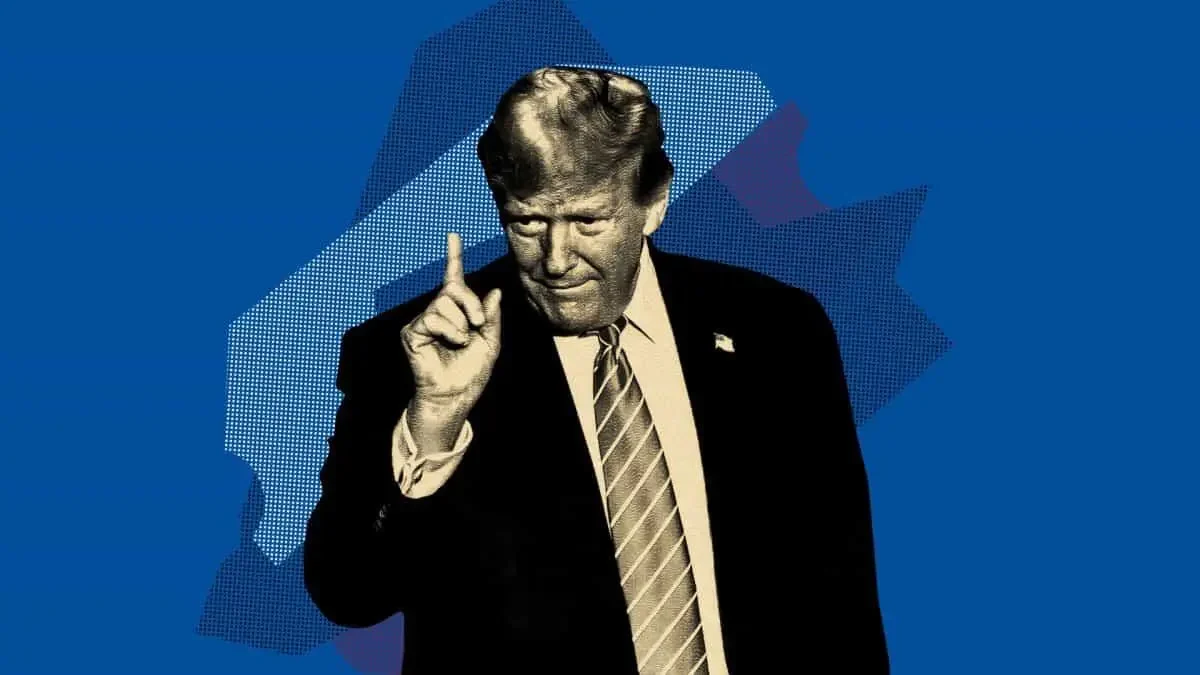
According to Bloomberg reporting published by LBank News, United States Senators Thom Tillis and Ruben Gallego submitted ethics text requiring Donald Trump to divest from digital asset ventures, a measure that is not officially confirmed and could potentially yield substantial personal tax deferrals.
Legislative Background and Senate Negotiations
Discussions surrounding comprehensive federal digital asset oversight have intensified dramatically as lawmakers race against a looming congressional recess. According to reporting from Bloomberg, legislative architects have been working feverishly to secure bipartisan consensus before the Senate breaks for a month-long absence, after which political focus is widely expected to shift entirely toward the November elections. Market observers note that this truncated timeframe creates intense pressure for congressional leaders trying to reconcile competing priorities across both political parties. The complexity of modern digital asset markets, combined with intense lobbying efforts from various industry stakeholders, has transformed the legislative process into a high-stakes arena where minor textual modifications can radically alter the fate of entire regulatory packages.
Within this tense legislative environment, specific provisions regarding ethical oversight have emerged as central bargaining chips. Democratic lawmakers have consistently demanded stringent rules to address personal cryptocurrency holdings associated with prominent political figures, pointing specifically to various memecoins and family-backed ventures launched around the time of the presidential inauguration. These demands have created friction with Republican colleagues, leading to protracted negotiations over how to structure enforcement mechanisms without alienating key conservative votes. Industry participants and policy advocates are watching these developments with extreme caution, recognizing that the outcome of these negotiations will permanently shape the institutional relationship between traditional government oversight bodies and the rapidly evolving digital finance sector across the United States.
Proposed Ethics Provisions and Tax Implications
The reported ethics language sent by Senators Thom Tillis and Ruben Gallego introduces mandatory divestment requirements that could fundamentally alter the financial position of Donald Trump regarding his digital asset portfolio. According to Bloomberg, sources familiar with the ongoing discussions indicated that executing this divestiture might allow the former president to defer federal capital gains taxes for an extended period, or potentially eliminate tax liabilities on those specific gains altogether. Such an exemption or deferral mechanism could translate into millions of dollars in personal financial savings, introducing significant controversy into an already sensitive legislative debate. Financial analysts point out that while conflict-of-interest rules are standard for high-ranking public officials, the intersection of digital asset holdings and modern tax code provisions creates unprecedented scenarios that standard legislative templates fail to address adequately.
Furthermore, the inclusion of these ethics requirements has become an indispensable prerequisite for advancing the broader package known as the Clarity Act. Without addressing these conflict-of-interest concerns, Democratic support—which is mathematically required to reach the sixty-vote threshold in the Senate—would likely remain entirely unattainable. However, introducing provisions that grant substantial financial benefits to a central political figure creates substantial political optics challenges for both parties. As lawmakers debate the precise wording of the divestiture mandate, critics from various political factions are scrutinizing the potential loopholes that might allow individuals to profit indirectly from regulatory compliance measures designed ostensibly to ensure transparency and accountability within the highest levels of government administration.
Enforcement Authority and Inter-Agency Disputes
A critical point of contention within the updated legislative text involves the delegation of enforcement powers for the newly proposed ethics provisions. Earlier iterations of the bill, including a draft that reportedly received initial acknowledgment from Donald Trump in late July, explicitly granted exclusive enforcement authority to the United States Department of Justice. Because the Department of Justice operates under executive leadership appointed directly by the president, critics argued that vesting sole enforcement capabilities in that agency created an inherent conflict of interest that undermined the credibility of the entire oversight framework. To resolve this structural vulnerability, the newly circulated text empowers state attorneys general to actively enforce the ethics provisions, marking a substantial concession to senators who demanded decentralized oversight capabilities.
This shift toward incorporating state-level enforcement has generated complex legal and jurisdictional questions among legal experts tracking the Clarity Act negotiations. Empowering state attorneys general to police federal ethics mandates involving digital assets creates a patchwork of potential legal interpretations and enforcement actions that could complicate compliance for nationwide operations. Industry associations have expressed apprehension regarding the possibility of conflicting directives originating from federal regulators and various state-level offices. As legislative staffers work around the clock to finalize the text, resolving these jurisdictional boundaries remains one of the most contentious hurdles preventing a unified consensus among lawmakers who are desperate to secure a legislative victory before the impending congressional recess.
Congressional Dynamics and Partisan Obstacles
Securing the necessary votes to pass comprehensive digital asset legislation in the United States Senate has proven exceptionally difficult due to deep-seated partisan divisions and intra-party defections. The legislation requires a minimum of sixty affirmative votes to overcome potential procedural filibusters, meaning that Republican leadership must secure substantial support from Democratic lawmakers. However, even within the Republican caucus, solidarity has fractured significantly over various sections of the pending bill. For instance, Senator Josh Hawley publicly stated that he refuses to support the current iteration of the legislation unless substantial modifications are introduced to protect against severe deposit flight risks that could threaten traditional community banking institutions across his home state and beyond.
In addition to these outspoken objections, other high-profile senators have expressed deep reservations regarding specific structural elements embedded within the text. According to political reporting from outlets like Politico, moderates such as Senator Susan Collins and Senator Lisa Murkowski harbor serious concerns about separate components of the regulatory package, threatening to withhold their critical votes if adjustments are not made. Meanwhile, Senate Majority Leader John Thune has refrained from filing a crucial cloture vote—a procedural maneuver required to close debate and advance the bill toward a definitive floor vote—as of Thursday afternoon. This hesitation underscores the precarious arithmetic facing legislative leaders who are running out of time to forge a durable coalition before the Senate adjourns for its scheduled break.
Industry Perspectives and Time-Sensitive Pressures
External stakeholders and industry representative organizations are monitoring the chaotic legislative maneuvers with a mixture of intense anticipation and profound anxiety. Kristin Smith, president of the Solana Policy Institute, articulated the precarious nature of the timeline during an interview on Thursday morning, noting that the possibility remains open for the Senate to extend its session through the weekend. According to Smith, whether lawmakers remain in Washington depends entirely on how effectively key contentious issues—particularly ethics mandates and decentralized finance protocols—can be resolved behind closed doors. Industry leaders emphasize that the absence of a comprehensive federal framework leaves digital asset enterprises operating in a state of continuous regulatory uncertainty, which dampens institutional participation and stifles long-term capital deployment across the American market.
Despite the urgency expressed by digital asset advocates, the complex mechanics of drafting compromise legislation often supersede institutional desires for speed. As negotiations stall over ethical divestitures and enforcement jurisdictions, the window of opportunity for the Clarity Act is rapidly closing. Financial market participants are adjusting their risk models to account for the increasing probability that comprehensive federal oversight may be postponed until a future congressional session, forcing firms to rely on existing state-level regulations and judicial precedents. The pressure mounts as industry executives weigh the economic implications of delayed regulatory clarity against the risks posed by hurriedly enacted statutes that may contain unintended legal loopholes or punitive compliance burdens.
Conclusion and Unconfirmed Matters
In conclusion, the reported inclusion of ethics provisions within the Clarity Act highlights the intricate intersection of high-level politics and digital asset regulation. The affected entity, Donald Trump, and the broader user groups spanning the digital finance ecosystem face potential regulatory shifts that remain unconfirmed pending official legislative text release. What has been reported by Bloomberg and LBank News is the active negotiation of divestment requirements and state-level enforcement authorities aimed at securing Democratic support before the congressional recess. What remains unconfirmed is whether these specific ethics provisions will survive the final legislative drafting process or whether the bill will garner sufficient votes to pass the Senate.
As the situation evolves, market participants should closely monitor official congressional announcements regarding the Clarity Act. The immediate next action for affected entities is to conduct comprehensive compliance reviews and assess potential portfolio vulnerabilities tied to legislative developments in Washington. While the risk rating remains unchanged given the preliminary nature of these media reports, stakeholders must remain vigilant against sudden policy shifts as the legislative window narrows toward the upcoming November elections.
Cexvia conclusion
Conclusion and Unconfirmed Matters
The legislative text concerning digital asset regulation contains newly introduced conflict-of-interest requirements that are not officially confirmed, raising questions regarding potential financial relief for Donald Trump and the affected user groups.
- Risk meaning
- Legislative negotiations involving high-profile political figures introduce distinct policy risks, potential compliance adjustments, and market volatility for digital asset market participants.
- User action
- Affected stakeholders should monitor legislative updates closely and review exposure to regulatory shifts affecting digital asset exchanges and compliance frameworks.
Continue reading