Regulatory Risk
Senate Republicans Release Revised Clarity Act Package Featuring Tougher Ethics Provisions and Strategic Concessions Ahead of Key Procedural Vote
Senate Republicans introduced a revised Clarity Act proposal incorporating stringent ethics rules and key concessions, though passage remains uncertain and is not officially confirmed as lawmakers approach a critical procedural vote.
Legislative Evolution and Procedural Context
According to reporting by Decrypt, Senate Republicans unveiled a comprehensive legislative update concerning the Clarity Act immediately preceding a scheduled procedural cloture vote in the United States Senate. Proponents characterized the updated package as their conclusive offering designed to attract necessary bipartisan backing from Democratic lawmakers who previously resisted earlier iterations of the digital asset framework. Securing the mandatory sixty votes required to invoke cloture necessitates substantial cross-party cooperation, compelling republican leaders to reconfigure multiple contentious provisions that had historically stalled negotiations between industry representatives and congressional committees throughout the preceding legislative sessions.
The newly released legislative document arrives following intensive behind-the-scenes discussions involving high-ranking administration advisors and senior lawmakers representing diverse ideological factions. Media coverage highlighted that the revived momentum reflects a concerted effort by political architects to deliver a comprehensive regulatory structure for digital currencies before the expiration of the current legislative calendar. Despite the optimistic outlook expressed by certain prominent market observers and industry advocates, legislative analysts cautioned that securing the requisite number of cross-party votes within such a compressed timeframe presents an extraordinary challenge for congressional leaders attempting to navigate competing priorities.
Revised Ethics Framework and Executive Provisions
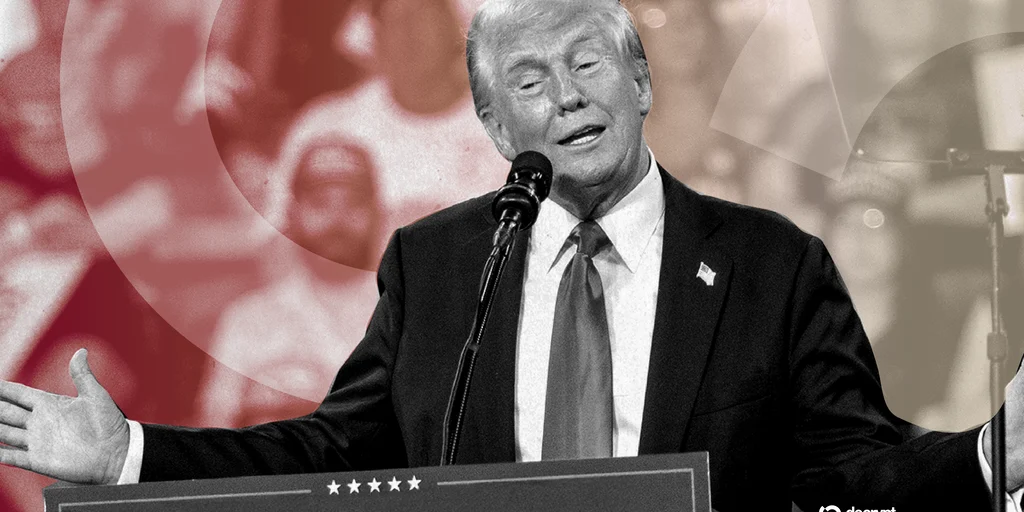
A central element of the revised legislative text involves rigorous ethics stipulations addressing potential conflicts of interest among covered government officials, including the executive branch leadership. Decrypt reported that President Donald Trump endorsed the strengthened ethics framework, which mandates either complete divestment or placement of digital asset holdings into qualified blind trusts. This modification represents a notable departure from previous negotiations where the administration had resisted stringent oversight mechanisms. Furthermore, the updated provisions expand the scope of covered individuals to encompass newly elected officials prior to their official swearing-in ceremony, alongside their immediate spouses, while explicitly introducing civil penalties for non-compliance.
Additional structural adjustments within the ethics title empower state attorneys general to enforce prohibitions against covered officials issuing, sponsoring, or maintaining substantial financial interests in digital assets. Observers noted that the removal of any sunset provision ensures these restrictions persist indefinitely rather than expiring upon the conclusion of the current presidential term. While these stringent measures aim to mitigate longstanding Democratic concerns regarding executive business entanglements, financial advisors suggested that mandatory divestment could potentially offer tax deferral benefits for capital gains realized during the liquidation process, aligning regulatory compliance with personal financial restructuring strategies under specific statutory conditions.
DeFi Safeguards and Developer Protections
The updated legislative package introduces modifications to decentralized finance rules, notably altering the Blockchain Regulatory Certainty Act provisions concerning software developers who do not exercise control over customer funds. According to media documentation, the revised text removes explicit protections from criminal prosecutions under federal statutes, a decision that drew immediate criticism from industry participants and legal advocates. Critics argued that leaving out absolute statutory shields against criminal liability preserves the underlying legal doctrines utilized by prosecutors in previous digital asset enforcement actions, thereby maintaining legal ambiguity for independent protocol creators and open-source contributors operating within the decentralized ecosystem.
Conversely, the legislation strengthens civil protections across multiple sections to clarify that non-custodial service providers, miners, and validators should not be classified as traditional money transmitters under bank secrecy regulations. Industry commentators evaluated these adjustments with mixed perspectives, balancing the disappointment surrounding criminal liability exclusions against the enhanced clarity provided for operational infrastructure providers. Legal scholars emphasized that while the statutory language offers robust defense against civil regulatory overreach for non-custodial entities, the persistent ambiguity regarding criminal prosecution thresholds necessitates heightened vigilance among developers building decentralized applications across the jurisdiction.
Stablecoin Provisions and Banking Sector Dynamics
Negotiations surrounding stablecoin yield agreements and banking sector concerns resulted in the retention of previously negotiated yield structures while introducing regulatory backstops designed to monitor systemic deposit shifts. Media reports indicated that Republican architects rejected broader prohibitions demanded by traditional banking trade associations, choosing instead to incorporate circuit breaker language granting the Treasury Secretary discretionary intervention authority. This mechanism is intended to address potential widespread deposit flight from community financial institutions toward digital stablecoin alternatives by establishing an empirical monitoring threshold during periods of financial stress or rapid market adoption.
The integration of the circuit breaker provision was conceived as a method to test the validity of banking industry concerns regarding systemic liquidity drains, though initial reactions from financial institution representatives remained reserved. Industry observers noted that despite these structural compromises, certain regional lawmakers indicated they might still oppose the broader legislative package unless additional banking-centric concessions are incorporated into the final text. Consequently, political strategists are closely monitoring whether these stablecoin backstops will suffice to secure the necessary parliamentary votes from hesitant senators representing rural or community banking constituencies.
Assessment, Affected Entities, and Required Actions
In conclusion, Senate Republicans released a revised legislative text described as their final offer, which incorporates strict ethics measures endorsed by President Donald Trump and adjustments to decentralized finance protections, affecting industry participants and digital asset market participants, while overall passage remains not officially confirmed. The affected entities encompass digital asset exchanges, decentralized protocol developers, community banking institutions, and executive branch officials subject to the newly formulated compliance mandates. Market participants must recognize that the reported legislative adjustments alter the immediate compliance environment and necessitate continuous monitoring of congressional proceedings as the procedural vote approaches. No official confirmation regarding final enactment has been issued by legislative authorities, meaning that stakeholders should avoid presuming immediate legal certainty.
To navigate these evolving regulatory conditions effectively, affected entities must undertake concrete operational steps. Industry participants and digital asset enterprise operators should review their internal governance frameworks, evaluate software deployment architectures to ensure alignment with modified non-custodial standards, and monitor upcoming legislative updates from official parliamentary sources. Because the current developments are derived exclusively from media reporting and remain not officially confirmed, compliance teams ought to prepare contingency plans for multiple legislative outcomes rather than relying on projected passage probabilities cited by external analysts.
Cexvia conclusion
Legislative Outlook and Market Implications
Senate Republicans released a revised legislative text described as their final offer, which incorporates strict ethics measures endorsed by President Donald Trump and adjustments to decentralized finance protections, affecting industry participants and digital asset market participants, while overall passage remains not officially confirmed.
- Risk meaning
- The inclusion of enhanced conflict of interest rules and modified developer liability safeguards introduces complex compliance dynamics for decentralized finance builders and political stakeholders, altering the regulatory landscape for digital asset enterprises across the jurisdiction.
- User action
- Market participants and digital asset enterprise operators should monitor legislative proceedings closely, evaluate internal compliance protocols against potential new ethics requirements, and review decentralized software deployment strategies in anticipation of procedural developments.
Continue reading