Regulatory Risk
Clarity Act Legislative Stalled in Senate Following Unanimous Democratic Opposition
According to reporting by Decrypt, the United States Senate rejected a procedural cloture vote on the Clarity Act, falling short of the required threshold as opposition lawmakers voted against advancement. The legislative setback triggered an immediate market selloff across major digital assets, though industry participants note that regulatory rulemaking by federal agencies is continuing independently of statutory changes. This development is not officially confirmed by legislative leadership beyond media accounts.
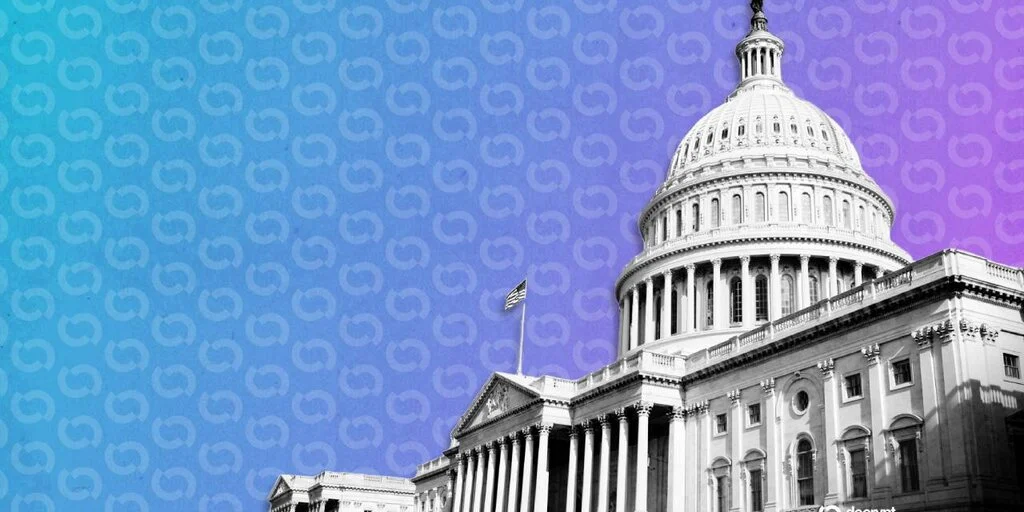
Legislative Proceedings and Senate Vote Outcome
Recent reports from Decrypt indicate that the United States Senate rejected a crucial procedural vote concerning the Clarity Act, preventing the legislative measure from advancing further during the current session. The vote fell short of the necessary sixty-vote threshold required for cloture, as opposing lawmakers united to block its progression. Negotiations between political offices collapsed in the final hours prior to the ballot, leaving critical provisions regarding ethics enforcement and state authority unresolved. Bipartisan efforts had previously incorporated numerous amendments, but fundamental disagreements persisted regarding the scope of oversight and jurisdiction over digital finance platforms.
Industry analysts and legislative observers noted that the timing of the vote left very little room for compromise before upcoming congressional breaks and midterm campaign schedules. Proponents of the bill expressed profound disappointment, characterizing the outcome as a significant missed opportunity to establish comprehensive legal frameworks for blockchain technology and digital assets. Meanwhile, market participants reacted swiftly to the legislative gridlock, initiating broad asset liquidations across multiple centralized exchanges and decentralized protocols. The sudden halt to the legislative process underscores the deep political divisions that continue to characterize digital asset policymaking within the United States legislature.
Market Reaction and Asset Price Adjustments
In the immediate aftermath of the Senate vote, cryptocurrency markets experienced substantial downward volatility, affecting major digital tokens across the board. Bitcoin and various alternative assets registered notable percentage declines as speculative sentiment soured following the legislative rejection. Trading volumes surged across major platforms as leveraged positions were liquidated, compounding the downward momentum driven by macro-economic concerns and impending central bank meetings. Observers pointed out that while the market reaction was pronounced, asset prices had already faced considerable uncertainty regarding the legislative timeline and political opposition.
Equity values associated with digital asset infrastructure companies also suffered during the broader market pullback, reflecting investor sensitivity to regulatory developments. Publicly traded cryptocurrency exchanges, mining enterprises, and tokenized investment funds all reported negative returns matching the sentiment downturn in spot markets. Despite the severity of the short-term price correction, veteran market analysts cautioned that trading activity remained within normal historical parameters for regulatory disappointment events. The swift repricing of digital assets highlights the direct correlation between legislative milestones and immediate trading behavior across global cryptocurrency ecosystems.
Regulatory Continuity Through Administrative Agencies
Even though the legislative effort stalled in the Senate, federal regulatory agencies continue to pursue policy implementation through existing administrative authority. Reports from Decrypt indicate that financial watchdogs like the Commodity Futures Trading Commission and the Securities and Exchange Commission are actively formulating rules and guidance independently of statutory changes. Officials have initiated roundtable discussions, proposed technical integrations for blockchain records, and addressed derivatives markets using their current mandate. This administrative path ensures that regulatory developments will persist despite the absence of a comprehensive congressional statute.
Industry advocates have observed that while a statutory framework would provide long-term certainty, the current regulatory runway under agency guidance offers substantial operational clarity for the near future. Financial institutions and institutional custodians are proceeding with development plans, anticipating that administrative rules will accommodate digital asset integration. Several prominent financial entities have announced ongoing initiatives to launch institutional custody and tokenized settlement services under existing compliance frameworks. Consequently, the operational reality for digital asset businesses remains largely unchanged by the temporary legislative setback in Congress.
Political Ramifications and Industry Lobbying Responses
The failure of the Clarity Act prompted immediate and vocal reactions from prominent crypto advocacy groups and political lobbying organizations. Representatives from Stand With Crypto publicly criticized the Senate outcome, attributing the defeat to a lack of legislative leadership and promising to mobilize voters ahead of the upcoming elections. Lobbyists who have invested substantial capital in pushing for statutory clarity expressed deep frustration over the inability of lawmakers to reach a bipartisan consensus. These organizations have announced plans to score individual senator votes, aiming to influence electoral outcomes in future political contests.
Political strategists suggest that the legislative failure could harden partisan lines regarding digital finance policy as campaigns intensify toward the November midterms. Lawmakers from both parties are evaluating how their positions on cryptocurrency regulation will resonate with constituents and major donors within the technology sector. The intense lobbying efforts surrounding the bill demonstrated the growing political influence of the digital asset industry, even when legislative outcomes fall short of expectations. Moving forward, political engagement by crypto participants is expected to remain a critical factor in shaping the broader regulatory debate.
Conclusion and Unconfirmed Status Assessment
In conclusion, based on reporting from Decrypt, the Senate's rejection of the Clarity Act has created a temporary legislative roadblock for crypto asset investors and market participants. This specific development, while widely covered across industry news platforms, is not officially confirmed by formal congressional publication records as of the latest reporting cycle. Affected investors and market participants should recognize that while media accounts confirm the procedural failure, the long-term legislative outlook remains fluid and subject to political shifts. The immediate action required is for market participants to monitor verified regulatory announcements from administrative agencies rather than relying on stalled statutory timelines.
Furthermore, market participants must carefully distinguish between reported legislative outcomes and unconfirmed rumors concerning future congressional schedules. Affected entities, including retail investors and institutional trading desks, must adapt to an operating environment where regulatory compliance is driven by agency guidance rather than statutory law. Moving forward, stakeholders should maintain conservative risk parameters and verify all compliance updates directly through official regulatory portals to ensure accuracy and operational security.
Cexvia conclusion
Assessment of Legislative Stoppage and Operational Continuity
The legislative attempt to establish statutory digital asset rules failed to clear the Senate procedural hurdle after bipartisan negotiations collapsed. According to Decrypt, affected crypto asset investors experienced immediate market declines following the vote. This outcome is not officially confirmed by a formal congressional record release yet, and market participants must navigate ongoing regulatory developments through existing agency channels.
- Risk meaning
- The failure of the legislative measure highlights the ongoing uncertainty surrounding United States cryptocurrency statutes, leaving regulatory enforcement dependent on existing administrative frameworks rather than permanent laws.
- User action
- Crypto investors and market participants should monitor regulatory updates from federal financial agencies and maintain prudent risk management protocols during periods of legislative volatility.
Continue reading