Regulatory Risk & Market Structure
XRP Leads Major Asset Declines as United States Senate Delays Clarity Act Vote to September
According to reporting by CoinDesk, digital asset markets experienced mixed price action as the United States Senate departed for its summer recess without taking up the market structure legislation known as the Clarity Act, which is not officially confirmed to pass when lawmakers reconvene.
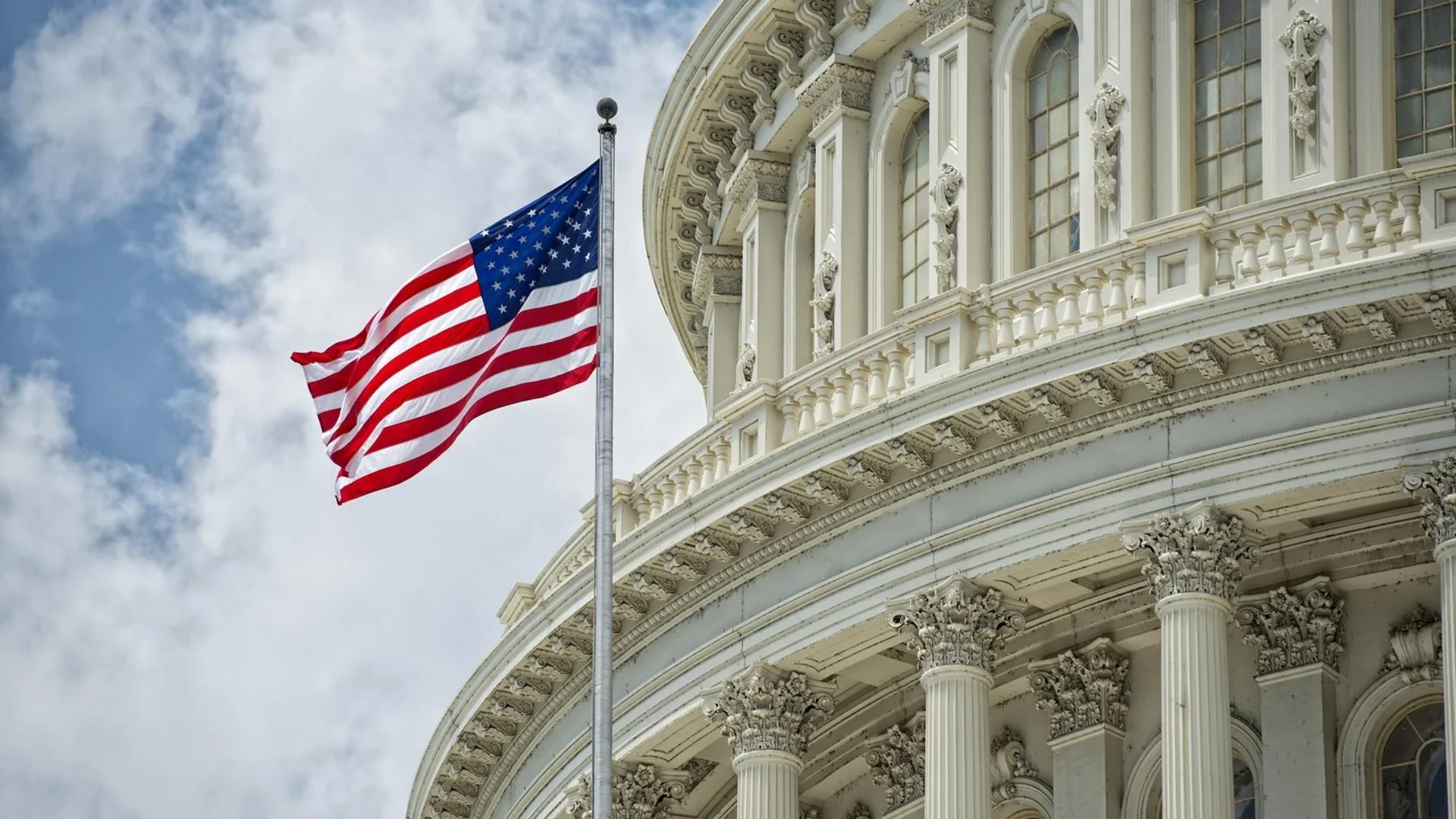
Legislative Stalls and Senate Recess
Recent reporting published by CoinDesk highlights that the United States Senate concluded its legislative sessions prior to the summer recess without bringing the much-anticipated market structure bill, frequently referenced as the Clarity Act, to the floor for a formal vote. Lawmakers elected to depart Washington, D.C., leaving a significant backlog of pending legislative items, which notably encompasses essential government funding measures and secondary sanction packages. This adjournment effectively postpones any substantive debate regarding federal oversight boundaries for digital assets until legislators return in mid-September. According to the media coverage, the proposed legislation requires a substantial threshold of sixty affirmative votes to clear procedural hurdles in the chamber, yet current counts indicate severe deficits in bipartisan support, with internal party divisions remaining a persistent obstacle.
Furthermore, public opposition from several Republican senators, alongside Democratic demands for stringent ethical provisions designed to restrict executive-level commercial participation in digital assets, has complicated consensus-building efforts. The reporting points out that high-profile financial disclosures from political figures have amplified scrutiny regarding potential conflicts of interest within the broader regulatory debate. Senate Majority Leader John Thune has publicly indicated that legislative efforts will resume when lawmakers reconvene on September fourteenth, allocating a compressed three-week window to address the backlog. However, industry analysts and independent observers emphasize that the ultimate trajectory of the bill remains entirely unconfirmed, as ongoing negotiations continue to face profound political friction and competing legislative priorities.
Market Reaction and Asset Performance
In the wake of the legislative delay, digital asset markets displayed mixed performance across various capitalization tiers, with specific tokens bearing the brunt of the downward momentum. Media sources including CoinDesk noted that Ripple-associated XRP underperformed relative to other major tokens, registering a weekly decline of approximately 5.5 percent and dropping toward the one dollar and two cents threshold during Friday trading sessions. This retracement marked the most pronounced downward movement among leading digital assets during the seven-day observation window. Other prominent cryptocurrencies experienced comparatively milder adjustments, with Solana moving lower by roughly one percent on the day and nearing the seventy-three dollar mark, while Dogecoin slipped below the seven cents level amid subdued retail participation.
Conversely, select digital assets demonstrated relative resilience or modest gains during the same reporting period. Binance coin maintained stability around the five hundred and ninety-one dollar region, translating into a slight weekly gain of approximately one percent. Similarly, Hyperliquid native token HYPE eased fractionally during the daily session but sustained its position as a weekly outperformer among major listings with a marginal gain. Meanwhile, pioneer cryptocurrency bitcoin hovered tightly around the sixty-four thousand three hundred dollar mark, remaining essentially flat over the weekly timeframe as incoming institutional capital helped absorb selling pressure but failed to trigger a decisive breakout past established technical resistance levels situated near sixty-six thousand dollars.
Institutional Inflows and Macroeconomic Pressures
Market stability for leading digital assets was partially supported by sustained institutional capital allocations into spot exchange-traded products, even as broader regulatory catalysts stalled in Washington. CoinDesk reported that spot bitcoin exchange-traded funds recorded substantial inflows totaling approximately six hundred and twenty-six million dollars across a multi-day span earlier in the week. Financial analysts observed that these capital injections were sufficient to defend critical downside support thresholds ranging between sixty-three thousand and sixty-four thousand dollars, preventing deeper corrections. However, the influx of liquidity proved insufficient to overcome overhead resistance situated between sixty-six thousand and sixty-six thousand six hundred dollars, leaving spot prices confined within a persistent consolidation channel.
Looking ahead, market participants are bracing for upcoming macroeconomic data releases that could heavily influence monetary policy expectations and asset valuations. The United States employment report and July consumer inflation statistics are scheduled for publication, carrying significant implications for Federal Reserve policy. Although the central bank opted to maintain benchmark interest rates at the three point five zero to three point seven five percent range during its July meeting, dissenting votes favoring tighter policy have heightened sensitivity to economic indicators. Strong employment figures or persistent inflation prints would likely reinforce arguments for prolonged monetary restraint, creating an adverse operating environment for risk-sensitive asset classes including digital currencies.
Regulatory Clarity and Market Implications
The ongoing legislative delay surrounding the market structure bill underscores the complex interplay between political dynamics and digital asset evolution within major jurisdictions. Industry stakeholders have long advocated for precise statutory definitions to delineate jurisdictional boundaries between federal regulatory bodies, specifically regarding the oversight responsibilities of the Securities and Exchange Commission versus the Commodity Futures Trading Commission. The absence of formalized legislation leaves market participants navigating an ambiguous legal landscape where compliance interpretations vary widely across different operating models. Consequently, centralized exchanges, decentralized protocols, and institutional investors must operate under continued regulatory uncertainty until lawmakers successfully shepherd comprehensive oversight bills through the legislative process.
Independent commentators note that until a definitive framework is codified into law, market volatility is likely to remain tied to legislative timelines and macroeconomic sentiment rather than fundamental operational metrics. The inability to secure sufficient bipartisan consensus in the Senate illustrates the profound political divisions surrounding financial innovation, executive ethics disclosures, and market protections. As institutional adoption continues to intersect with evolving regulatory expectations, trading venues and market participants are forced to adopt defensive risk management strategies, preparing for potential compliance shifts and sudden price fluctuations once legislative debates resume in the autumn.
Ecosystem Developments and Industry Context
Alongside legislative developments, the broader cryptocurrency ecosystem continues to experience diverse operational shifts and corporate restructuring events across various market segments. Recent industry reports highlight ongoing evolution in exchange business models, with major platforms expanding their service offerings beyond traditional spot and derivatives trading into real-world asset tokenization, payment solutions, and structured yield products. These developments reflect a concerted effort by leading market operators to diversify revenue streams in response to changing competitive landscapes and shifting user demands, even as regulatory compliance pressures intensify globally.
Concurrently, sector intelligence indicates varied activity levels across specialized decentralized finance protocols, tokenized real estate ventures, and institutional-grade custody solutions. Corporate governance disputes, strategic expansions into emerging geographic markets, and high-profile asset movements from dormant wallets continue to generate market discussion. While these micro-level events demonstrate the continuous innovation and liquidity circulation within digital asset networks, they also underscore the multifaceted risk profile that market participants must navigate, combining technological novelty with persistent regulatory and macroeconomic headwinds.
Conclusion and Risk Assessment
In summary, the decision by the United States Senate to recess without voting on the Clarity Act has left the digital asset market navigating an extended period of regulatory ambiguity, with Ripple-associated XRP bearing the brunt of the weekly majors' correction. Cexvia independent risk intelligence confirms that CoinDesk reported the legislative delay and subsequent market movements, though the ultimate passage of the bill remains not officially confirmed. Affected entities include digital asset exchanges, trading desks, and retail participants exposed to heightened volatility across major crypto assets. What changes now is the timeline for legislative oversight, shifting market focus toward upcoming macroeconomic employment and inflation reports as primary catalysts for near-term price direction.
Market participants and exchange users must immediately adjust their risk parameters, closely monitoring macro data releases while avoiding excessive leverage during this unconfirmed legislative interlude. The immediate next action for institutional and retail traders is to reinforce risk management frameworks, track updates from Washington ahead of the September congressional return, and maintain defensive positioning against potential policy-driven market swings.
Cexvia conclusion
Comprehensive Risk Assessment and Strategic Outlook
CoinDesk reported that the Senate delayed any legislative action on the Clarity Act until September, prompting a 5.5% weekly decline in Ripple-associated XRP while major cryptocurrencies remained largely range-bound, though these legislative hurdles are not officially confirmed.
- Risk meaning
- Delays in establishing a definitive market structure framework prolong regulatory uncertainty for digital asset exchanges, trading desks, and retail participants operating within global markets.
- User action
- Market participants and exchange users should monitor upcoming macroeconomic data releases and legislative updates closely while managing position leverage amid potential volatility.
Continue reading