Regulatory Risk
Bitcoin Slides to $76,000 as CLARITY Act Senate Vote Odds Wobble Across Global Markets
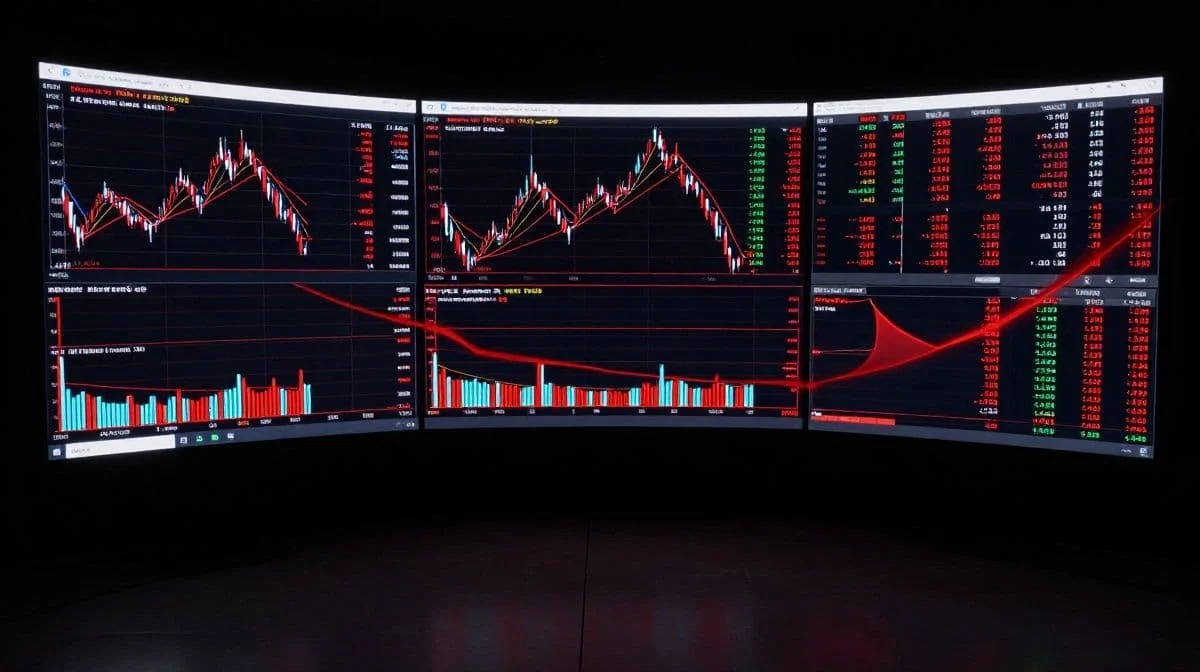
According to reporting by CryptoTicker publisher Rudy Fares, Bitcoin slid to $76,000 and major cryptocurrencies turned red as expectations for the upcoming United States Senate cloture vote on the Digital Asset Market Clarity Act collapsed. Market participants quickly de-risked ahead of the procedural milestone, though the final outcome of the legislation remains not officially confirmed.
Legislative Expectations and Prediction Market Shifts
Recent reporting from publisher Rudy Fares outlines how global digital asset markets spent the weekend pricing in a favorable outcome for the Digital Asset Market Clarity Act before abruptly reversing positions during early trading sessions. Prediction market odds regarding the successful passage of the statutory framework experienced a steep decline as Asian and European trading desks digested the deteriorating legislative calculus inside the United States Senate. The proposed bill aims to establish definitive statutory boundaries between the Securities and Exchange Commission and the Commodity Futures Trading Commission, sorting digital tokens into distinct categories. However, procedural resistance and ongoing disagreements over key provisions have created severe bottlenecks on the legislative calendar.
As market participants re-evaluated the likelihood of achieving the sixty votes required to clear the cloture motion, speculative capital fled the sector with remarkable speed. The sudden evaporation of legislative optimism triggered an immediate wave of de-risking across major cryptocurrency exchanges, dragging benchmark assets lower. Observers noted that binary political events characteristically induce aggressive defensive positioning among leveraged traders, who routinely refuse to hold unprotected long exposure through contentious congressional showdowns. This dynamic underscores the profound vulnerability of digital asset valuations to political friction and procedural delays in Washington D.C., independent of underlying network fundamentals.
Market Liquidation Dynamics and Sectoral Divergence
The severe contraction in digital asset values precipitated widespread liquidations across leveraged derivatives trading venues, with cumulative position wipeouts exceeding substantial figures over a brief twelve-hour window. Major cryptocurrencies including Bitcoin and Ethereum recorded sharp percentage declines that pushed their year-to-date performance figures deeper into negative territory. According to the published records, secondary altcoins and digital equities experienced amplified downside pressure, with blockchain-linked corporate stocks outperforming the downside velocity of underlying native tokens due to their inherent leverage to regulatory outcomes.
Conversely, select privacy-focused digital assets and specialized tokens displayed relative resilience against the broader market sell-off, maintaining positive momentum on annual metrics. Analysts cited by the publisher noted that assets with minimal exposure to United States regulatory jurisdiction or those fulfilling distinct anonymous transaction niches remained largely unaffected by the domestic legislative turmoil. This divergence highlights a bifurcated investor sentiment wherein capital rotates away from jurisdictionally exposed instruments while seeking refuge in alternative network architectures that operate outside traditional regulatory crosshairs, emphasizing a defensive reallocation strategy across global trading desks.
Macroeconomic Pressures and Federal Reserve Policy Overlap
Beyond domestic legislative hurdles, the broader risk environment faced simultaneous pressure from impending macroeconomic policy decisions originating from the central bank. The Federal Open Market Committee meeting scheduled for mid-September introduced additional uncertainty regarding interest rate trajectories, with market pricing reflecting strong expectations of a potential monetary tightening move. Resurgent commodity prices and persistent inflationary pressures provided policymakers with sufficient justification to maintain a cautious stance on monetary easing, complicating the liquidity landscape for risk-sensitive asset classes.
The convergence of a high-stakes congressional vote and a hawkish central bank meeting created a punishing environment for leveraged speculators who had maintained aggressive long positioning heading into the autumn period. When multiple adverse binary catalysts resolve within an exceptionally tight timeframe, market participants frequently elect to liquidate holdings entirely rather than attempt to hedge complex regulatory and monetary outcomes. Consequently, the combination of stalled regulatory reform and tightening monetary conditions produced a pervasive risk-off sentiment that overshadowed technical chart supports across major digital asset trading pairs.
Scenario Analysis for Legislative Trajectories
Market strategists have outlined several distinct scenarios regarding the immediate progression of the contested regulatory bill following the procedural Senate vote. A successful cloture outcome would likely spark an aggressive relief rally, fueled heavily by short-covering across overextended derivatives books. However, analysts caution that clearing the initial procedural hurdle merely permits floor debate and subsequent amendments, leaving a crowded legislative calendar competing against mandatory budget reconciliation bills ahead of impending midterm elections.
In contrast, a narrow or decisive failure of the cloture motion would effectively shelve the comprehensive market structure legislation for the remainder of the congressional session, forcing regulatory agencies to continue shaping sector oversight through enforcement actions rather than statutory mandates. Such an outcome would likely cement the ongoing downward price pressure, validating concerns that comprehensive federal clarity remains out of reach for digital asset participants operating within the United States market ecosystem for the foreseeable future.
Conclusion and Strategic Risk Assessment
In conclusion, the reported market correction was directly driven by collapsing Senate procedural odds for the CLARITY Act, impacting speculative cryptocurrency traders and digital asset investors across global platforms. These developments and legislative trajectories remain not officially confirmed. Market participants must immediately adjust position sizes to account for ongoing legislative uncertainty and upcoming macroeconomic policy announcements.
Publisher Rudy Fares documented how the confluence of political friction and tightening monetary expectations created severe downward pressure on benchmark assets and related equities. Moving forward, traders are advised to reduce leverage, monitor official legislative announcements closely, and prepare for continued volatility as these unconfirmed regulatory and monetary events unfold.
Cexvia conclusion
Comprehensive Findings on Legislative Uncertainty and Market Vulnerability
Publisher Rudy Fares reported that Bitcoin dropped to $76,000 and crypto equities suffered accelerated losses due to a sudden drop in Senate procedural vote odds for the CLARITY Act. This market repricing directly impacts speculative cryptocurrency traders and digital asset investors across global platforms. These developments and legislative trajectories remain not officially confirmed.
- Risk meaning
- The reported contraction in legislative odds highlights the extreme sensitivity of digital asset valuations to binary political milestones in Washington. When high-stakes structural regulatory bills face procedural bottlenecks, leveraged trading positions experience rapid unwinding, spilling over into broader equity instruments associated with the blockchain sector.
- User action
- Traders and market participants are advised to reduce leverage, closely monitor upcoming legislative updates from the United States Senate, and account for potential macroeconomic volatility stemming from monetary policy decisions. Risk management parameters should be adjusted immediately to withstand sudden fluctuations.
Continue reading