Financial Markets
CME Group and Silicon Data Plan AI Compute Futures Contracts
According to media reporting by CNBC Top News, CME Group is collaborating with Silicon Data to introduce two artificial intelligence compute futures contracts slated for October 5, pending regulatory review, though this development remains not officially confirmed by independent authorities.
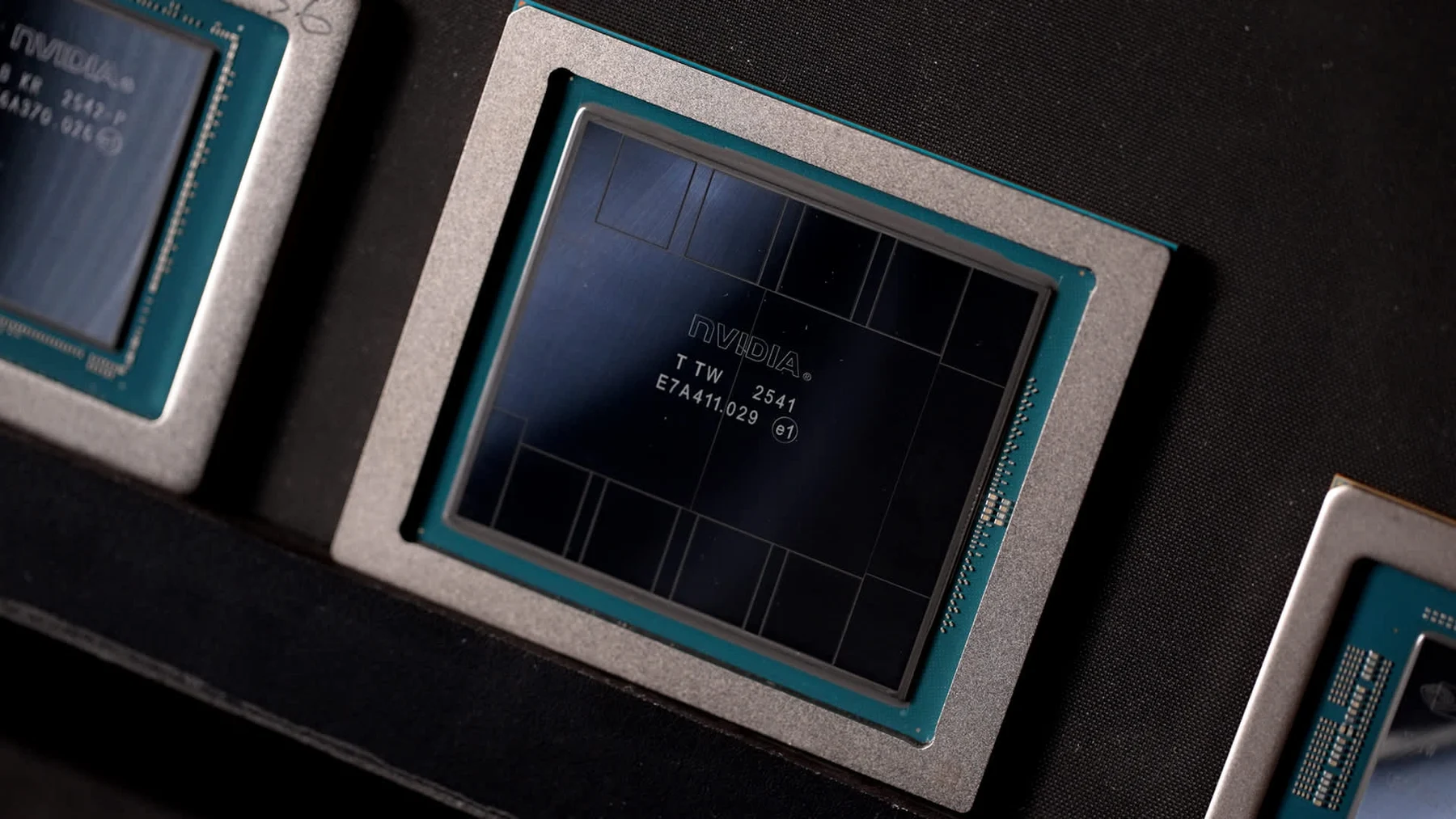
Overview of Reported Compute Futures Initiative
Recent media reporting published by CNBC Top News indicates that CME Group is preparing to establish a brand-new tradable asset class centered around artificial intelligence computational capacity. Based on the available coverage, the exchange has formed a strategic partnership with Silicon Data to roll out two distinct compute futures contracts scheduled for October 5, though this timeline is strictly contingent upon the successful completion of necessary regulatory reviews. This initiative represents a notable evolution in how financial markets approach high-performance hardware, attempting to convert raw processing power into a standardized financial instrument comparable to traditional commodities such as crude oil or electrical energy. Observers note that this development could fundamentally alter how institutional investors and large-scale enterprise users manage exposure to the escalating costs associated with advanced machine learning infrastructure.
The underlying architecture of these proposed derivatives aims to address long-standing pricing inefficiencies within the technology sector. Historically, organizations acquiring identical graphics processing unit capacity faced drastically divergent pricing terms without access to transparent benchmarking tools to evaluate market fairness. According to statements cited in the media coverage, the introduction of these benchmark-backed contracts is designed to establish a universally recognized public reference price for computational resources. By leveraging these instruments, market participants hope to achieve greater visibility into the actual economic value of running complex artificial intelligence workloads, thereby bridging the gap between traditional capital markets and the rapidly expanding digital infrastructure economy.
Contract Structure and Proposed Index Mechanisms
According to the distributed reporting details, the newly conceptualized derivatives contracts will specifically track the rental expenditures associated with high-end hardware components, focusing directly on Nvidia Corporation's widely utilized H100 units alongside newer Blackwell B200 graphics processing units. Each individual futures contract is structured to represent the equivalent of one month of rental duration for a standard Nvidia H100 configuration. This design allows traders to take direct financial positions on the fluctuating rental expenses without requiring physical possession or deployment of the underlying silicon chips. The operational viability of these contracts relies heavily on specialized proprietary indexes maintained by Silicon Data, which systematically monitor hourly rental pricing trends across various cloud providers and specialized data center operators.
The reliance on specialized rental pricing indexes introduces unique structural considerations for potential market participants and risk management professionals. Because the underlying cost of high-performance computing can be influenced by rapid technological advancements, supply chain bottlenecks, and sudden shifts in global semiconductor manufacturing capacity, the index values may experience substantial volatility. Market analysts have emphasized that understanding the underlying methodology of these Silicon Data benchmarks will be essential for any corporate entity or financial institution attempting to utilize the contracts for effective hedging purposes. Without complete transparency into how hourly rental rates are aggregated and verified, market participants might encounter unforeseen basis risks when attempting to offset physical infrastructure expenses against derivative positions.
Regulatory Review and Implementation Timeline
The anticipated launch date of October 5 remains explicitly subject to ongoing regulatory oversight and official clearance processes. As financial derivatives expand into non-traditional digital and computational asset classes, regulatory bodies across multiple jurisdictions maintain close scrutiny over contract specifications, margin requirements, and potential systemic implications. The need for regulatory approval ensures that new financial products comply with established statutory standards designed to protect market integrity, prevent market manipulation, and maintain adequate transparency for all participating entities. While the partnership between CME Group and Silicon Data establishes a clear operational framework, the final realization of the product launch depends entirely on the outcomes of these comprehensive governmental and institutional reviews.
Market observers and compliance specialists have noted that the regulatory review period provides a critical window for industry stakeholders to evaluate the broader implications of treating computational power as a standardized commodity. Regulatory agencies will likely examine how these contracts interact with existing energy markets, financial derivatives regulations, and technology export controls. Any unexpected regulatory delays or requests for contract modifications could significantly alter the proposed October timeline. Consequently, corporate treasurers, institutional investors, and digital asset funds are advised to monitor official regulatory filings rather than relying solely on initial media announcements regarding the exact rollout schedule of the compute futures products.
Broader Infrastructure Financing Ecosystem
The emergence of compute futures coincides with a transformative period on Wall Street, characterized by massive financial commitments directed toward artificial infrastructure development. Recent industry developments include large-scale financing initiatives where prominent technology firms collaborate with major global asset management organizations to channel hundreds of billions of dollars into data centers, specialized chips, and power generation facilities. Within this expansive financial ecosystem, compute futures are positioned to serve as an additional layer of risk management and price discovery, offering participants alternative avenues to gain exposure to the underlying economic drivers of the artificial intelligence boom without directly owning physical hardware assets.
Financial institutions and specialized venture funds are increasingly looking for sophisticated hedging mechanisms to manage the massive capital expenditures required to build and maintain modern data center networks. By introducing standardized futures contracts tied to processing power, the financial sector aims to create a more resilient market structure capable of absorbing shocks related to hardware obsolescence or shifts in demand. However, financial experts caution that integrating computational assets into mainstream derivative portfolios also transmits technology sector volatility directly into broader financial markets, potentially increasing the interconnectedness between semiconductor manufacturers, cloud providers, and institutional investment funds.
Implications for Corporate Developers and Market Participants
For artificial intelligence developers, cloud service providers, and enterprise tenants utilizing large clusters of graphics processing units, the availability of compute futures could substantially transform operational budgeting and cost management strategies. Organizations that rely heavily on continuous machine learning training and inference operations frequently face unpredictable spikes in rental expenses driven by sudden supply shortages or surging enterprise demand. By utilizing these proposed futures contracts, such entities could theoretically lock in forward pricing for computational capacity, effectively hedging against adverse market movements and stabilizing their long-term research and development expenditures.
Conversely, data center operators and hardware lessors may utilize the same derivative instruments to secure predictable future revenues, protecting themselves against potential downturns in rental pricing if manufacturing output accelerates or market demand plateaus. Despite these potential operational benefits, smaller market participants and independent developers might face significant barriers to entry due to margin requirements, capital constraints, and the complexities associated with trading exchange-listed derivatives. As a result, market analysts suggest that the initial adoption of compute futures will likely be concentrated among sophisticated institutional players, large technology conglomerates, and well-capitalized algorithmic trading firms.
Conclusion, Unconfirmed Status, and Recommended Next Steps
In summary, media reporting from CNBC Top News indicates that CME Group is collaborating with Silicon Data to launch artificial intelligence compute futures contracts on October 5, pending regulatory review. This reported initiative represents a pioneering effort to convert computational capacity into a standardized financial asset class targeting Nvidia H100 and Blackwell B200 rental costs. However, readers and market participants must note that these developments remain not officially confirmed by independent regulatory bodies or direct statements from the participating exchanges. The reported plans directly impact digital asset investors, enterprise developers, and cloud infrastructure providers who must navigate the fine line between emerging financial innovations and regulatory uncertainties.
Moving forward, affected entities and market participants should refrain from making premature financial commitments or altering hedging strategies based solely on reported product timelines. The immediate next action for institutional risk managers and corporate treasurers is to monitor official announcements from CME Group and relevant regulatory authorities regarding the actual approval status and final contract specifications. Stakeholders should also conduct thorough internal reviews of their exposure to high-performance computing costs while awaiting definitive confirmation of the derivative instruments' operational launch.
Cexvia conclusion
Conclusion and Strategic Outlook
CNBC Top News reported that CME Group plans to launch AI computing futures contracts in partnership with Silicon Data on October 5, pending regulatory review, an initiative that affects digital asset investors and corporate infrastructure developers but remains not officially confirmed.
- Risk meaning
- The introduction of derivatives tied to computational resources introduces novel market risks, including valuation volatility, pricing opacity, and structural uncertainties associated with emerging benchmark indexes for high-performance graphics processing units.
- User action
- Market participants and digital asset investors should monitor regulatory announcements and review existing risk management frameworks before engaging with newly proposed computational derivatives instruments.
Continue reading