Market Intelligence
Clarity Survives, Strategy Sells, and Mastercard Completes Deal: A Risk Intelligence Review
Washington kept digital asset legislation alive, Wall Street expanded its institutional integration, and a major hardware security scare triggered substantial bitcoin transfers, though these developments are not officially confirmed by regulatory bodies.
Legislative Developments and Policy Trajectories
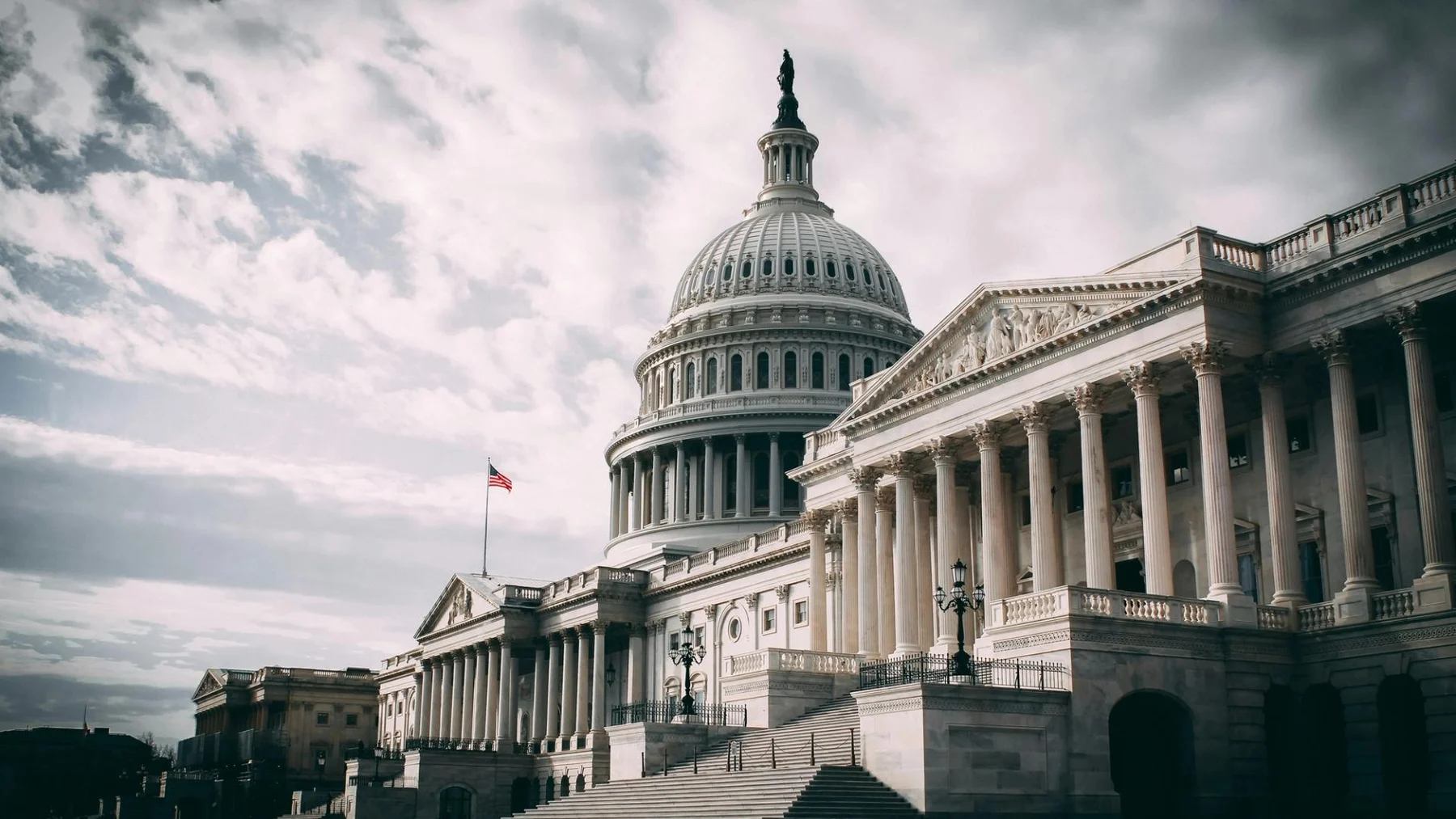
Washington lawmakers have kept the primary legislative framework for digital assets alive despite missing the crucial congressional August window, according to reporting by CoinDesk. The Digital Asset Market Clarity Act is positioned for renewed consideration when legislators return from their recess in September. Industry participants had anticipated a procedural vote prior to the recess and expressed frustration when the timeline slipped, yet analysts suggest that delaying the vote prevented a premature failure in the absence of sufficient consensus. The stakes surrounding this regulatory proposal extend well beyond the current congressional session, as any failure to advance the measure now could force drafters to restart the legislative process under potentially less favorable political dynamics. If the current bill collapses completely, upcoming legislative versions might see increased influence from skeptical lawmakers who historically approach digital asset integration with considerable caution.
Simultaneously, financial regulators are pursuing their own rulemaking agendas, creating a complex two-track policy environment across the United States. While Congress attempts to establish comprehensive market structure legislation, regulatory agencies including the Securities and Exchange Commission and the Commodity Futures Trading Commission are independently developing internal guidelines. However, this administrative process has encountered bureaucratic friction and hesitation. The Securities and Exchange Commission delayed a planned innovation exemption for tokenized securities following significant intervention from executive branch officials and traditional financial institutions. Market observers note that these stakeholders feared moving forward too aggressively could complicate ongoing legislative negotiations regarding the market structure bill. For an industry that has spent years complaining about regulatory ambiguity, these developments represent incremental administrative progress toward defined oversight standards, even if the timeline remains uncertain and subject to ongoing political debate.
Corporate Treasury Shifts and Market Dynamics
Digital asset markets exhibited contradictory signals during the week, characterized by notable corporate liquidations alongside aggressive accumulation by major institutional holders. According to CoinDesk, corporate treasury pioneer Strategy executed a reduction in its bitcoin holdings, selling 1,690 coins while raising substantial capital through common stock sales. This transaction marked the continuation of a rare reversal for a firm whose leadership previously maintained a policy against liquidating digital asset reserves. The corporate treasury strategy of raising capital to accumulate bitcoin had previously inspired numerous global entities to mirror the approach, transforming corporate balance sheets into leveraged cryptocurrency positions. Consequently, routine movements involving corporate-associated wallets have attracted intense scrutiny from market participants attempting to anticipate balance sheet adjustments and potential sell pressure across major exchanges.
Other corporate entities also reported challenges and adjustments related to their digital asset strategies during the same period. Truth Social parent Trump Media disclosed substantial financial losses tied to its digital asset holdings and associated pledges, illustrating the inherent downside risk of volatile corporate crypto allocations. Furthermore, public bitcoin miners added considerable selling pressure to the open market, while large institutional entities and high-net-worth whales demonstrated contrasting behavior by accumulating assets at multi-month highs. Leveraged funds operating on Chicago Mercantile Exchange derivatives platforms shifted their positions away from traditional structural short strategies toward net-long exposures, highlighting a divergence between corporate treasury liquidations and sophisticated investor accumulation patterns.
Wall Street Integration and Sectoral Selection
Traditional financial institutions continued their deep expansion into digital assets while becoming increasingly selective regarding the specific products and infrastructure they support. Fidelity advanced proposals to incorporate staking functionalities and quarterly distributions into its ether exchange-traded fund, aiming to capture yields while distributing a portion of returns to service providers. Concurrently, Goldman Sachs agreed to acquire a derivatives-focused asset manager to expand its footprint in income-generating digital asset products. In the stablecoin sector, Mastercard finalized its substantial acquisition of a prominent stablecoin infrastructure firm, underscoring the intense competition among traditional payment giants and native crypto enterprises to capture dominant positions in cross-border settlement technology.
Despite these major expansions, institutions demonstrated caution by abandoning underperforming or speculative token products. Grayscale cancelled plans for exchange-traded funds tied to alternative layer-one networks, while tokenized asset platforms experienced a reality check as public market earnings missed analyst expectations despite rising trading activity. These events indicate that traditional financial participants are no longer adopting the entire digital asset ecosystem indiscriminately. Instead, institutions are directing capital toward regulated stablecoin infrastructure, proven exchange-traded fund strategies, and scalable revenue-generating blockchain business models while discarding speculative projects that fail to demonstrate sustainable financial performance.
Hardware Security Incidents and Custody Disruptions
Self-custody practices faced significant disruptions following a sophisticated security incident involving offline hardware wallets produced by a prominent manufacturer. Glassnode data cited by CoinDesk indicated that approximately 210,000 bitcoin departed from long-term holder addresses during the period, representing the largest single outflow volume recorded since late 2024. While large-scale token movements typically signal bearish market intent, these specific transfers were directly attributed to unauthorized attacks targeting offline hardware storage devices. Affected users scrambled to migrate their digital assets into newly generated secure addresses, while others elected to shift funds toward regulated institutional custodians or spot exchange-traded products, which experienced notable inflows during the security scare.
Beyond hardware wallet vulnerabilities, the broader ecosystem encountered technical governance disputes and legal interventions targeting state-sponsored illicit actors. A controversial software fork proposal created brief operational challenges before stalling due to minimal computing power participation and subsequent developer governance controversies. In the legal sphere, cryptocurrency exchange Bybit successfully secured a preliminary United States court order freezing specific assets linked to a massive historical theft allegedly perpetrated by state-sponsored hacking groups. These security and governance challenges underscore the multifaceted operational risks that continue to confront individual users and centralized platforms operating within the digital asset landscape.
Industry Shakeout and Risk Intelligence Findings
The digital asset ecosystem is currently undergoing a severe structural shakeout that parallels historical technology market corrections, weeding out unsustainable business models as institutional adoption accelerates. CoinDesk reported that more than one hundred crypto projects have folded during the year, while long-standing exchanges that survived previous cycles have struggled to execute corporate sales or maintain operational viability amid tightening market conditions. This environment demonstrates a stark divergence between the aggressive land grab executed by traditional financial institutions and the high failure rate among native crypto ventures that relied excessively on speculative momentum rather than fundamental revenue generation.
In conclusion, reported data indicates that the affected entity Strategy and broader retail and corporate user groups face heightened volatility driven by corporate liquidations, hardware security vulnerabilities, and evolving regulatory frameworks. While these reported developments remain not officially confirmed by regulatory authorities, market participants must adapt to a more institutionalized yet unforgiving operational landscape. The immediate required action involves conducting comprehensive audits of self-custody hardware devices, verifying institutional custodian security protocols, and closely monitoring the progression of U.S. legislative clarity when lawmakers reconvene in September.
Cexvia conclusion
Risk Assessment and Actionable Intelligence
CoinDesk reported that corporate holders reduced crypto positions while institutional adoption advanced and security incidents disrupted self-custody wallets, though these observations remain not officially confirmed.
- Risk meaning
- Institutional expansion alongside ongoing corporate liquidations creates volatile conditions for market participants managing asset exposure.
- User action
- Participants should review hardware wallet security measures and monitor institutional custody arrangements carefully.
Continue reading