Market Risk Intelligence
Bitcoin and Ether Decline as Coldcard Wallet Exploit Enters Fifth Day and Shakes Self-Custody Confidence
According to reporting by CoinDesk, the digital asset market experienced a downward adjustment as a significant hardware wallet incident involving Coldcard entered its fifth consecutive day. This event, which has not officially confirmed the full mechanism or extent by independent forensic audits, has generated widespread apprehension across self-custody communities and prompted some participants to redirect assets back to centralized trading platforms. Despite the gravity of the reported losses, broader market reactions remained relatively subdued.
Market Context and Price Movements
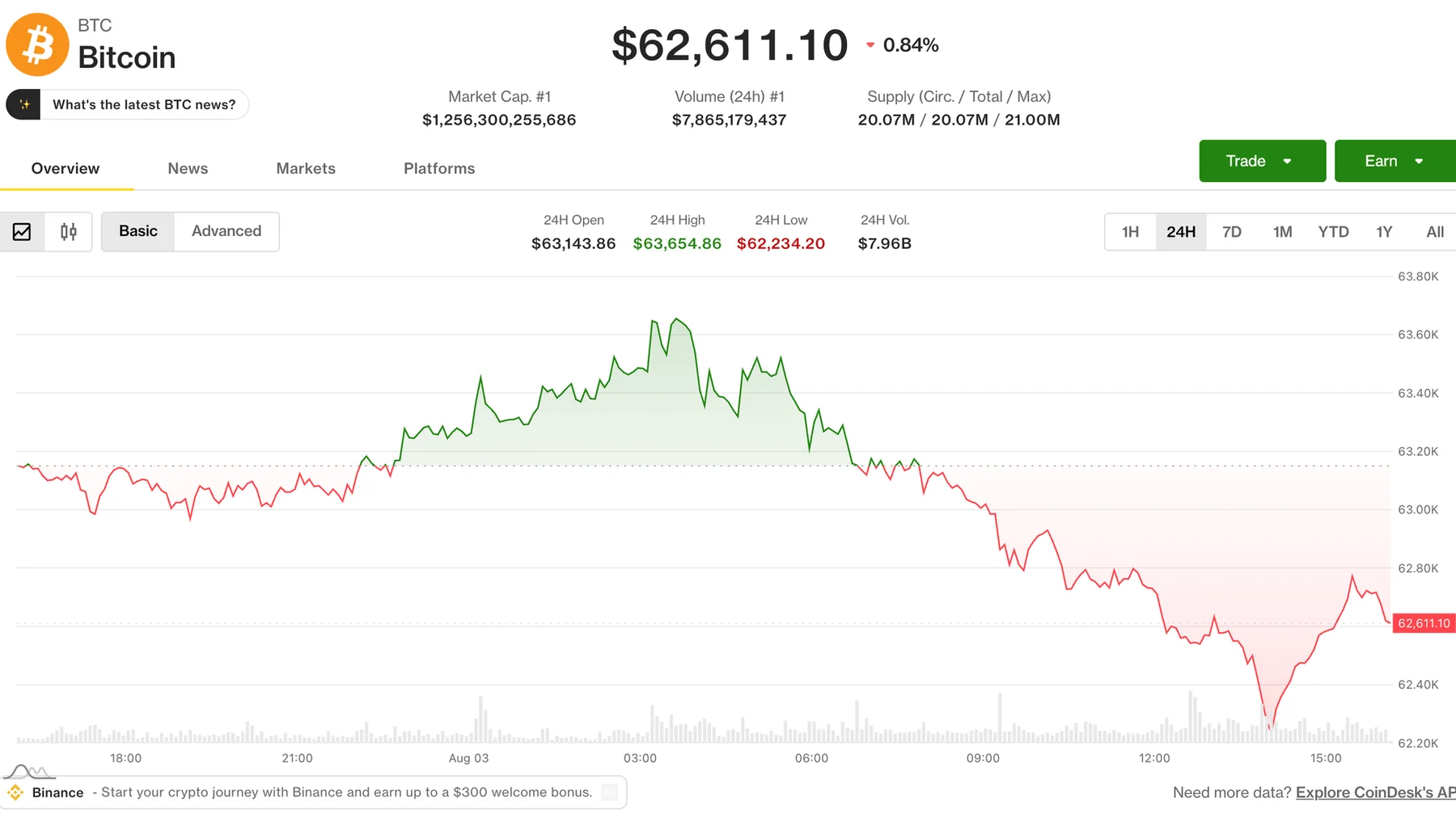
Digital asset prices faced downward pressure as market participants digested unfolding reports regarding the hardware security incident. Major digital currencies experienced noticeable intraday pullbacks, reflecting a cautious stance among investors who monitor structural security developments. According to coverage published by CoinDesk, the broader cryptocurrency ecosystem encountered headwinds as the multi-million dollar exploit narrative continued to dominate trading discussions and social media commentary across various online networks.
Despite the negative sentiment surrounding storage security, the overall magnitude of the price contraction remained relatively contained when compared to the potential scale of the reported losses. Analysts pointed out that despite continuous downward pressure on major tokens, liquidity conditions across primary trading venues maintained a degree of resilience, preventing a more severe cascading liquidation event. Market participants remained focused on key technical thresholds as they evaluated the broader implications of the security breach on long-term adoption trends.
Self-Custody Sentiment and Exchange Flows
The hardware security incident challenged foundational assumptions regarding cold storage security, prompting prominent industry commentators to highlight a shift in user behavior. According to insights cited from market analysts at Marex via CoinDesk, the occurrence frightened numerous participants into reversing the traditional self-custody trend by depositing assets back onto hosted platforms. This counter-trend movement underscores how sudden infrastructural doubts can temporarily override ideological preferences for independent asset management.
Small-scale holders and long-term investors expressed mounting frustration across digital communication channels, questioning the absolute reliability of offline hardware devices. The erosion of confidence in physical security mechanisms created an environment where participants sought alternative safety measures, occasionally returning to centralized exchange architectures despite inherent counterparty risks. Observers noted that cheap storage alternatives fail to resolve fundamental trust deficits once a physical device vulnerability becomes public knowledge.
Derivatives Positioning and Market Structure
Derivatives markets displayed conflicting indicators as traders adjusted risk parameters in response to the ongoing security concerns and macroeconomic news flow. Data highlighted by CoinDesk indicated that taker volumes in the crypto futures segment leaned increasingly toward short positions, with over fifty-two percent of taker activity reflecting a bearish bias. Concurrently, open interest metrics climbed to a multi-week high, suggesting heightened speculative engagement and active hedging strategies across major institutional and retail trading desks.
Despite the buildup in open interest and mildly positive annualized funding rates, cumulative volume delta metrics remained slightly negative, implying that bearish traders executed orders aggressively at market prices rather than relying on passive limit orders. Meanwhile, options volatility indicators remained remarkably stable, with implied volatility indices hovering near established ranges and trading activity heavily concentrated in bullish call options at higher strike prices, demonstrating a complex underlying market sentiment.
Protocol Developments and Alternative Ecosystems
Away from immediate security headlines, several alternative blockchain networks continued their developmental milestones and ecosystem expansions as reported by industry media. NEAR Protocol drew attention by announcing significant usage milestones for its Intents transaction routing system, alongside technological upgrades aimed at future-proofing network infrastructure. These initiatives illustrate how distinct blockchain communities continue to advance technical capabilities regardless of broader macroeconomic and market-specific shocks.
The reported upgrades encompassed advanced cryptographic frameworks designed to withstand future computational threats, alongside dynamic resharding mechanisms intended to optimize network scalability under heavy traffic conditions. Furthermore, the integration of compute staking initiatives directly connected token utility to artificial intelligence infrastructure demand, showcasing a strategic effort to diversify protocol value propositions. Such developments emphasize that technical progress persists across decentralized networks despite localized security crises.
Geopolitical Factors and Macro Influences
Broader macroeconomic and geopolitical developments provided an additional layer of complexity for digital asset traders attempting to navigate the volatile market environment. Conflicting reports regarding diplomatic communications between global powers contributed to fluctuating sentiment, as market participants weighed potential external shocks against internal cryptocurrency vulnerabilities. These overlapping variables underscored the multifaceted nature of asset pricing during periods of heightened uncertainty.
Financial institutions and corporate treasury managers continued to adjust their operational strategies in alignment with shifting interest rate expectations and regulatory adjustments across global jurisdictions. The interplay between traditional financial markets and digital asset valuations remained pronounced, with Treasury yields and employment data exerting substantial influence on overall market direction. Consequently, participants balanced localized crypto security incidents against extensive macroeconomic indicators when formulating risk management policies.
Conclusion and Actionable Findings
In summary, CoinDesk reported that the Coldcard hardware wallet exploit entered its fifth day, driving self-custody anxiety and prompting some asset migration back to centralized venues, though the total losses remain not officially confirmed. Affected entities include individual hardware wallet users and platform operators managing shifting liquidity flows, while broader market participants face persistent volatility risks. Moving forward, the industry must await verified forensic audits and official manufacturer disclosures to determine the exact attack vector and financial impact.
As an immediate next action, affected user groups and market participants should verify device security parameters, avoid speculative over-exposure in derivatives trading, and monitor official vendor channels for definitive firmware guidance. All stakeholders must separate unverified social media speculation from substantiated technical findings before executing portfolio adjustments or altering long-term custody strategies.
Cexvia conclusion
Market Assessment and Unconfirmed Status
According to CoinDesk reporting, the Coldcard hardware wallet incident has not officially confirmed the total losses, though estimates approach substantial figures that have rattled long-term sentiment and altered short-term derivative flows.
- Risk meaning
- The situation demonstrates that vulnerabilities within hardware security models can trigger sudden behavioral shifts, forcing users to re-evaluate the risk profile of offline storage against centralized counterparty custody.
- User action
- Market participants should closely monitor official manufacturer updates regarding the Coldcard exploit, refrain from speculative over-leveraging, and verify device security status before executing further asset transfers.
Continue reading

