Wallet Security Incident
Coldcard Urges Immediate Bitcoin Migration As Active Wallet Exploit Continues
According to reporting by CoinDesk, Coldcard developers have urged users to move their bitcoin immediately as an active wallet exploit continues. This severe security threat, not officially confirmed by independent third-party audits at scale, has allegedly drained roughly $114 million from self-custodied wallets across multiple device models and firmware versions.
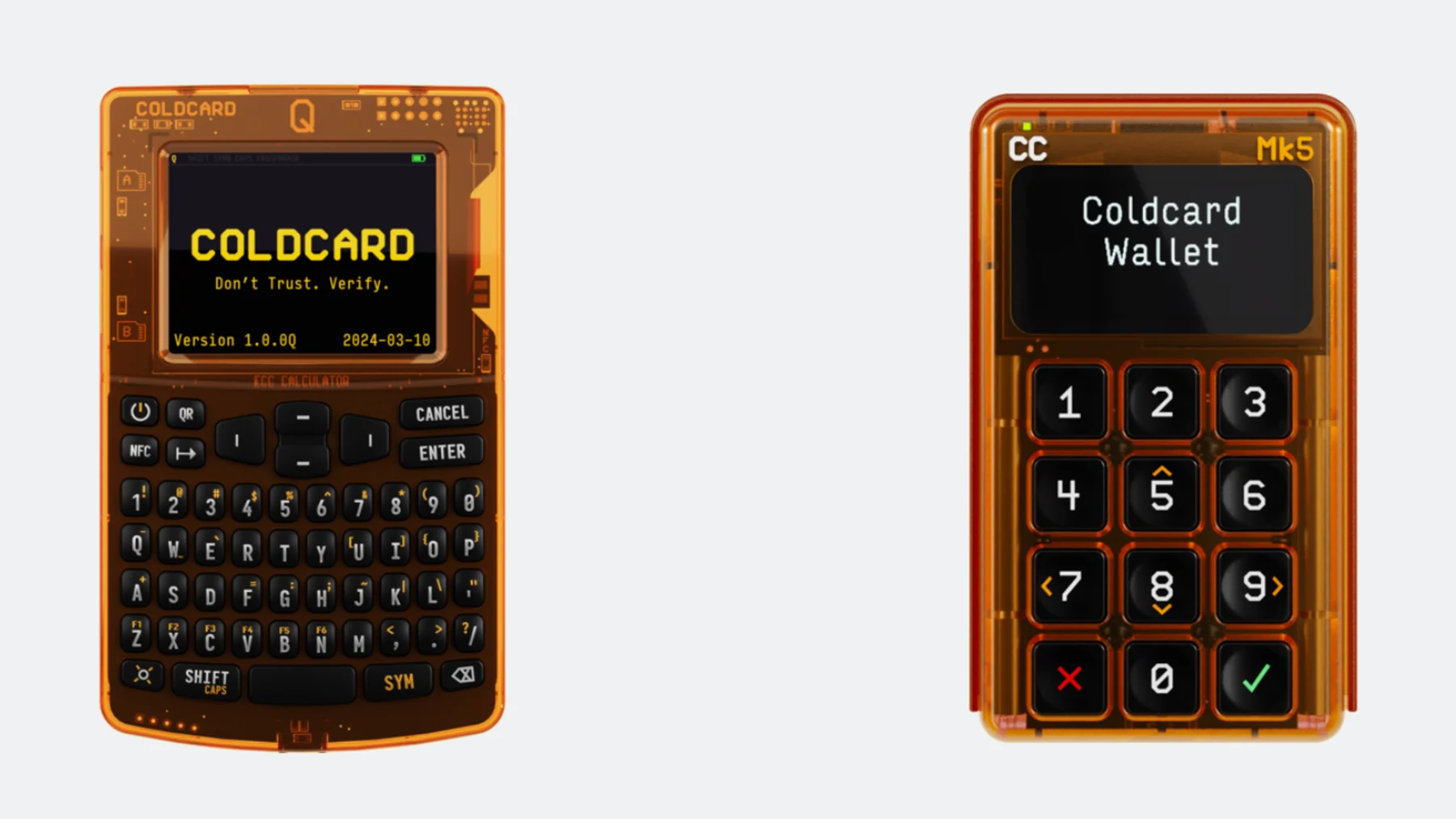
Overview of the Reported Coldcard Exploit and Scale of Losses
Recent reporting published by CoinDesk has brought to light an urgent situation concerning the Coldcard bitcoin hardware wallet ecosystem. According to the publication, developers behind the prominent cold storage device have issued a critical warning instructing users to migrate their bitcoin holdings without delay. This advisory comes as an active and aggressive exploit continues to target self-custodied digital assets, draining significant capital from unsuspecting participants across the global cryptocurrency community. The situation requires immediate attention from all hardware wallet operators who fit the vulnerable profile described by the publishing organization.
Data compiled within the CoinDesk coverage indicates that the cumulative financial impact of this security breach has escalated substantially over multiple waves of suspicious activity. Citing revised analytical figures from Galaxy Research, the reporting notes that consecutive sweeps have successfully compromised numerous addresses, pushing total estimated losses to approximately $114 million. The sustained nature of these automated or targeted sweeps demonstrates a persistent threat vector that continues to operate against legacy implementations, underscoring the urgent necessity for widespread user awareness and prompt protective measures across the affected ecosystem.
Technical Origins of the Dormant Vulnerability and Affected Models
The security flaw at the center of the CoinDesk report reportedly traces back to firmware code that has remained dormant since 2021. According to the technical details outlined in the coverage, the vulnerability specifically impacts certain legacy hardware iterations where a single master key controls the underlying funds without requiring any secondary approval mechanism. The flaw permits sophisticated attackers to exploit weaknesses in the generation of random seed keys, potentially allowing unauthorized actors to recreate the cryptographic secrets and drain associated bitcoin balances without physical access to the secure hardware device itself.
The published advisories identify precise device categories and firmware versions that remain exposed to this ongoing threat. Owners of the Mk3 model, introduced by the manufacturer in 2019, are advised to move their funds immediately if their hardware was initialized using firmware version 4.0.1 or later. Furthermore, owners utilizing Mk4, Mk5, and Q hardware models running older firmware iterations are similarly instructed to execute upgrades and secure migrations. Conversely, the reporting explicitly clarifies that wallets generated using the device's physical dice-roll option are completely safe, as those specific keys never interacted with the compromised generation code.
Industry Expert Commentary and Perspectives on Self-Custody Security
Amid the widespread industry discussion sparked by the reported exploits, prominent cybersecurity professionals have offered broader perspectives on hardware wallet architecture and self-custody practices. Vincent Bouzon, a cybersecurity expert representing rival hardware manufacturer Ledger, provided insights to CoinDesk emphasizing that the incident represents a specific implementation failure rather than an indictment of the self-custody philosophy as a whole. Bouzon noted that every hardware wallet ultimately depends heavily on the establishment of a robust root secret derived from exceptionally high-quality entropy sources during the initial setup phase.
Furthermore, the expert commentary highlighted in the reporting stresses that entropy generation must be deeply anchored within secure hardware architectures capable of preventing silent downgrades to untrusted software sources. Bouzon contrasted these hardware security models against alternative arrangements, describing software wallets operating on non-secure hardware as presenting significantly elevated risk profiles. Additionally, the commentary reiterated that relinquishing full asset control to centralized exchange platforms introduces counterparty risks that fundamentally contradict the core ownership principles championed by the broader cryptocurrency community.
Market Response and Ongoing Surveillance of Affected Addresses
Despite the severity of the warnings issued by Coldcard developers and amplified by CoinDesk, broader digital asset markets have demonstrated remarkable stability in the immediate wake of the disclosures. Cryptocurrency market data indicates that bitcoin continued trading near traditional price thresholds, hovering around $63,800 during early U.S. trading hours without experiencing panic-driven sell-offs. This muted immediate price reaction suggests that market participants view the incident as an isolated product implementation vulnerability rather than a systemic threat to the underlying macroeconomic structure of the premier digital asset.
At the same time, blockchain analytics firms and independent researchers continue maintaining rigorous surveillance over the wallet addresses implicated in the successive waves of suspicious sweeps. The ongoing tracking efforts are designed to map the flow of stolen funds across various mixing services and intermediary platforms, providing crucial intelligence to law enforcement agencies and affected users. As researchers monitor subsequent developments, the primary focus remains on identifying whether additional threat actors might attempt to exploit the dormant firmware vulnerability before complete remediation across the global user base is achieved.
Preventative Measures and Recommended Best Practices for Holders
In light of the active exploitation reported by industry publishers, cybersecurity specialists have outlined comprehensive preventative steps to safeguard self-custodied bitcoin holdings. Users operating legacy hardware devices must immediately verify their current firmware versions against the official safety thresholds provided by the manufacturer. For individuals running vulnerable configurations, the standard procedure requires conducting a manual device update, generating an entirely new cryptographic seed phrase using secure entropy methods, and transferring all remaining balances to fresh, uncompromised addresses without delay.
Furthermore, security advocates emphasize the importance of community outreach to protect less active participants who might remain entirely unaware of the ongoing risk. Because hardware wallet updates and seed migrations must be performed manually by the end user, isolated holders represent the most vulnerable demographic within the current threat landscape. Community members are actively encouraged to share verified security advisories across social channels and peer networks, ensuring that vulnerable device owners receive timely notifications before malicious actors can target their unmigrated funds.
Conclusion and Mandatory User Mitigation Steps
In conclusion, this report details the reported active exploitation of Coldcard hardware wallets as documented by CoinDesk, highlighting approximately $114 million in losses stemming from legacy firmware vulnerabilities. While these claims remain unconfirmed by independent regulatory authorities or comprehensive forensic audits, affected users utilizing vulnerable Mk3, Mk4, Mk5, and Q devices are strongly urged to take immediate defensive action. Moving forward, all owners of impacted hardware variants must verify their firmware status, generate secure new seeds, and manually migrate their bitcoin holdings to protected addresses immediately.
It is important to separate what has been reported by media organizations from what currently remains unconfirmed by official or first-party forensic verification. The ongoing sweeps and estimated financial figures are based on third-party blockchain analysis and media reporting rather than definitive official disclosures. Nevertheless, given the severity of the active threat to self-custodied funds, users must treat the warnings with utmost urgency, execute required device upgrades, and assist in spreading awareness to safeguard the broader cryptocurrency community.
Cexvia conclusion
Conclusion and Mandatory User Mitigation Steps
CoinDesk reported that Coldcard wallet developers are urgently demanding user migration following an ongoing security exploit. The incident, which is not officially confirmed by comprehensive external verification, involves vulnerable hardware devices and dormant firmware flaws that have allegedly resulted in cumulative losses reaching approximately $114 million across numerous self-custodied addresses.
- Risk meaning
- The reported ongoing exploit highlights the critical vulnerabilities inherent in hardware wallet entropy generation and legacy firmware implementations. Users operating specific legacy Coldcard models without dice-roll randomness face substantial risk of key reconstruction and asset theft by malicious actors.
- User action
- Affected users must immediately follow specific manufacturer advisories to update firmware, generate new seeds, and manually migrate their bitcoin funds to secure addresses. Holders who set up wallets using alternative physical dice-roll generation methods are not affected and remain safe.
Continue reading