Regulatory Action
U.S. House Tax Committee Advances Digital Asset Tax Bill Following Senate Clarity Act Defeat
According to reporting by CoinDesk, the U.S. House Ways and Means Committee approved the Digital Asset Tax Certainty Act by a vote of thirty-eight to five, aiming to ease transaction reporting burdens. This legislative development remains not officially confirmed by comprehensive full chamber enactment.
Committee Action and Legislative Context
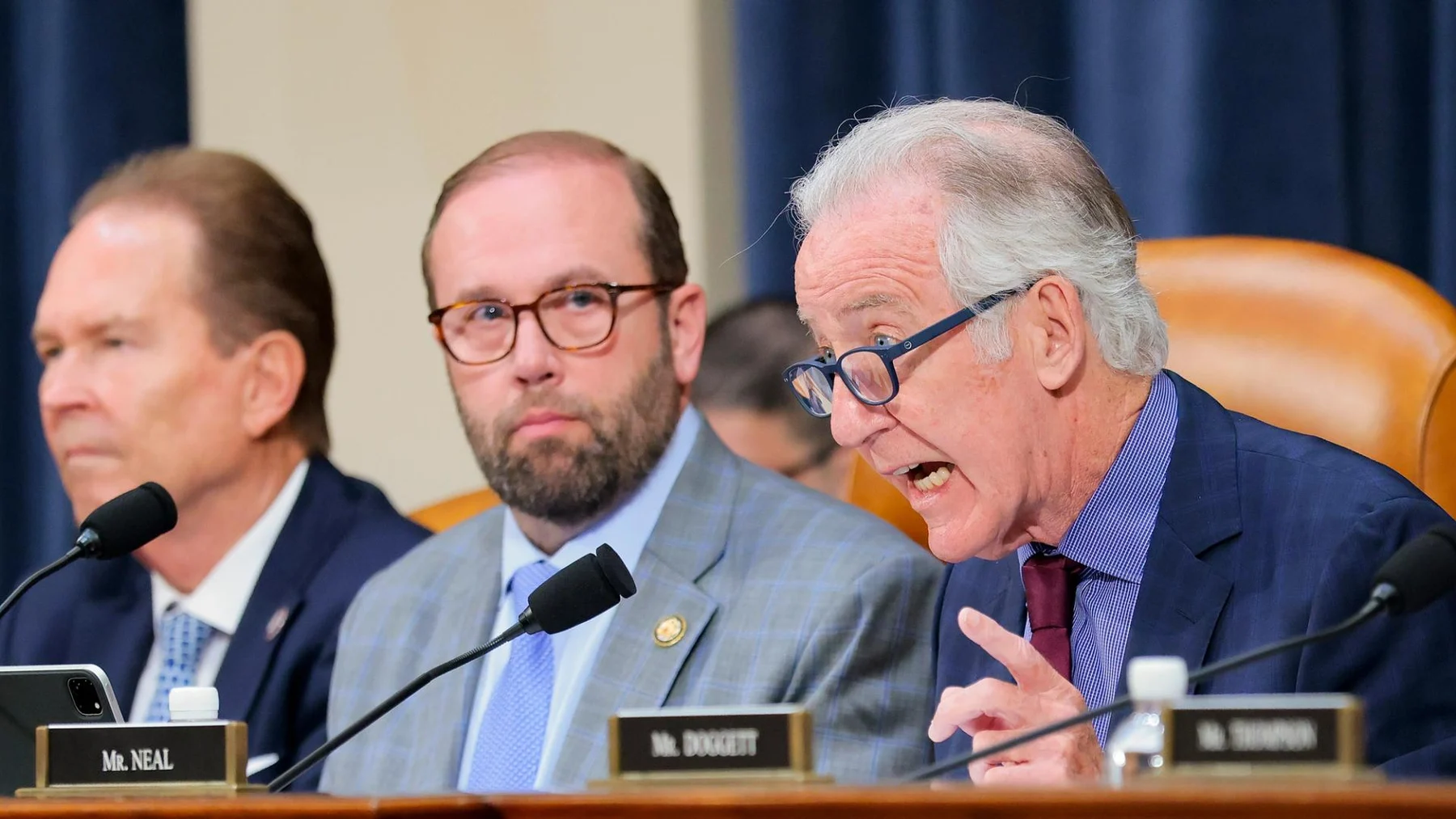
According to reporting by CoinDesk, the U.S. House Ways and Means Committee advanced a significant bipartisan tax package following recent setbacks regarding broader market structure legislation in the upper chamber of Congress. The committee evaluated the proposed statutory text during a scheduled markup session, ultimately recording a strong thirty-eight to five bipartisan endorsement that successfully forwarded the measure to the wider legislative body for further consideration. This development occurred unexpectedly quickly after alternative regulatory initiatives experienced setbacks, demonstrating that lawmakers retain strong appetite for addressing specific operational bottlenecks within the digital asset ecosystem despite broader political disagreements.
The reported legislation specifically attempts to address long-standing compliance challenges faced by software developers, retail platforms, and individual market participants who utilize cryptographic tokens for routine economic transactions. By establishing clearer statutory definitions regarding how digital assets are categorized for accounting purposes, the measure intends to eliminate ambiguity that has historically discouraged widespread commercial adoption. Industry stakeholders have consistently argued that existing regulatory frameworks impose disproportionate administrative overhead on small transactions, making everyday utility economically unviable for traditional consumers operating within digital payment environments.
De Minimis Thresholds and Practical Implementation
The reported text of the Digital Asset Tax Certainty Act incorporates a specific de minimis exemption threshold set at ten dollars for qualifying purchases and small network transfers. Committee members supporting the initiative argued that without this specific adjustment, purchasing basic consumer goods using stablecoins or decentralized tokens triggers an absurd maze of complicated accounting obligations that deter everyday users. Proponents emphasized that establishing basic, predictable tax rules is a prerequisite for integrating blockchain technology into standard commercial payment rails without exposing casual participants to inadvertent regulatory infractions.
Furthermore, the legislation addresses several adjacent financial activities, including mining rewards, network staking distributions, transfer mechanisms, and specialized broker reporting standards, aligning them more closely with traditional financial asset regulations. By striving for regulatory parity between digital tokens and conventional equities or commodities, the measure attempts to modernize tax codes that were originally written decades before distributed ledger technology emerged. Tax professionals note that while the proposed ten-dollar threshold is lower than previous industry lobbying targets, it nevertheless represents a constructive compromise necessary to secure committee approval.
Political Debate and Partisan Friction
Despite achieving a decisive bipartisan committee vote, the legislative advancement did not occur without substantial pushback from dissenting lawmakers who questioned the underlying priorities of the panel. Senior committee members voiced concerns regarding the perceived haste with which tax writing panels accommodate digital asset interests while allegedly neglecting broader economic challenges affecting ordinary citizens. Critics highlighted the contrast between rushing tax reliefs for technology sectors and failing to address the pressing financial difficulties experienced by taxpayers suffering under broader economic strains and shifting fiscal policies.
Particular political friction arose from external associations linking certain industry benefactors to high-profile political figures, leading to pointed inquiries during the hearing regarding the influence of heavily funded political action committees. Dissenting politicians argued that the committee routinely prioritizes specialized tax loopholes and preferential rules for well-resourced lobbies over systemic reforms that would benefit a wider demographic of taxpayers. These contrasting viewpoints illustrate the persistent polarization surrounding digital asset policy in Washington, where legislative initiatives frequently become entangled in broader partisan debates about economic fairness and corporate influence.
Timeline Pressures and Legislative Hurdles
The procedural advancement of the tax bill arrives at a notoriously difficult juncture within the congressional calendar, leaving minimal operational time for full legislative enactment before the expiration of the current session. Lawmakers face a severely compressed timeline featuring roughly five weeks of active legislative scheduling between the upcoming general elections and the mandatory commencement of the subsequent congressional term in January. Consequently, industry analysts suggest that turning this specific committee endorsement into signed federal law will require extraordinary procedural maneuvering and sustained bipartisan cooperation across both congressional chambers.
Even if full legislative passage remains an uphill battle given the restricted calendar, establishing formal committee-level momentum provides strategic advantages for future legislative attempts addressing similar policy objectives. Proponents maintain that securing a documented bipartisan vote creates an institutional foundation that can be reintroduced and prioritized with greater authority during subsequent legislative sessions. Institutional risk monitors emphasize that corporate compliance departments should nevertheless avoid premature operational changes until statutory language successfully clears all constitutional hurdles and receives executive signature.
Conclusion and Strategic Assessment
In conclusion, reported news coverage from CoinDesk indicates that the U.S. House Ways and Means Committee advanced the Digital Asset Tax Certainty Act by a thirty-eight to five vote to streamline retail transaction reporting, though this development is not officially confirmed as enacted law. This reported regulatory action directly affects retail crypto users, compliance officers, and institutional platforms operating within U.S. jurisdictions by signaling potential future changes to de minimis tax accounting standards. What changes now is the formal establishment of committee-level momentum for small transaction tax relief, while what remains unconfirmed is whether the broader legislative body will pass the bill before the congressional session expires.
As the next immediate action, affected entities and compliance teams should monitor congressional scheduling updates and evaluate internal tax software configurations for potential ten-dollar de minimis threshold adjustments while treating the current legislative status as unconfirmed. Stakeholders must refrain from prematurely altering tax reporting workflows based solely on committee markups and instead maintain flexible compliance architectures pending final statutory enactment. Independent risk intelligence platforms will continue to track legislative developments as they unfold across Washington D.C.
Cexvia conclusion
Legislative Outlook and Operational Preparedness
The House committee advanced the tax bill to address small transaction accounting issues, affecting retail crypto participants and compliance officers. This status is not officially confirmed regarding final enactment into law.
- Risk meaning
- Legislative shifts create uncertainty for corporate compliance teams managing digital asset tax accounting frameworks across multiple jurisdictions.
- User action
- Entities handling retail transactions should monitor congressional scheduling developments while preparing for potential tax reporting adjustments.
Continue reading