Regulatory Action
Dutch Prosecutors Liquidate Seized Knaken Crypto Assets Amid Bankruptcy Proceedings
According to media reporting by crypto.news and Rijnmond, Dutch authorities liquidated seized digital assets from bankrupt trading platform Knaken for €2.2 million, which remains not officially confirmed by independent judicial audits.

Liquidation of Seized Digital Holdings
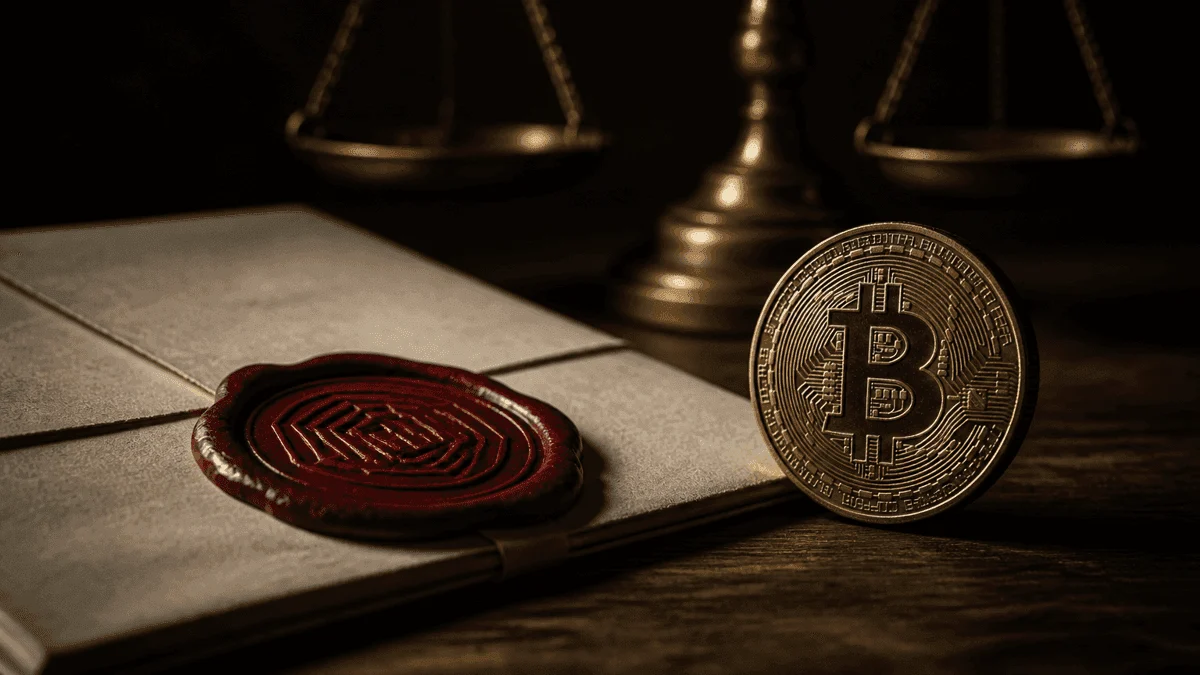
Recent reporting by crypto.news highlights that Dutch regional broadcaster Rijnmond revealed the local public prosecution service successfully liquidated digital assets previously confiscated from the insolvent digital asset trading venue Knaken. The forced sale yielded approximately 2.2 million euros, establishing a concrete financial baseline for an administration estate that currently faces massive shortfall risks. This judicial conversion effectively freezes the valuation of the confiscated holdings into conventional fiat currency, bringing a sudden end to any potential upside recovery should the underlying tokens appreciate significantly on secondary markets following the liquidation event.
Legal representatives for disgruntled account holders have raised substantial objections regarding the timing and authority of this forced conversion before ownership delineations could be settled through standard judicial channels. Critics have drawn unfavorable comparisons to commercial warehousing failures where stored property belonging to innocent third parties is prematurely liquidated without adequate protection for the rightful owners. Authorities reportedly justified the transaction by citing legal provisions permitting the prompt disposal of depreciating properties, yet the decision has undeniably intensified anxieties among retail participants caught in the fallout of the unexpected corporate collapse.
Discrepancies Between Liabilities and Assets
Court-appointed bankruptcy administrator Carl Hamm has communicated directly with roughly 6,300 former platform users, issuing explicit warnings to manage expectations regarding potential payouts. According to initial estate evaluations, total customer claims are projected to range between 10 million and 12 million euros, dwarfing the meager 2.2 million euros currently secured in the liquidation pool. The appointed official indicated that the company appears to have systematically failed in maintaining a strict one-to-one reserve ratio matching the digital account balances visible to everyday retail traders through their client dashboards.
The structural mechanics of the trading platform permitted users to deposit funds to purchase specific coins while the company executed corresponding external trades. However, the resulting crypto assets were legally registered as corporate property while retail participants held abstract claims denominated in fiat currency. The administrator noted that operating expenses and speculative investments from various channels eventually merged into a single financial pool, making it exceedingly difficult to segregate individual customer holdings from corporate operational capital during the winding-up process.
Disputes Over Management and Past Exploits
Knaken founder Ronald J. has strongly contested the characterization of the platform's financial records, dismissing the administrator's liability estimates as inaccurate and damaging. In public statements provided to regional media outlets, the former owner maintained that every customer order was faithfully executed through established liquidity providers equipped with distinct identifiers, execution timestamps, and specific pricing metrics. Furthermore, he rejected assertions that customer capital was broadly left uninvested or improperly converted, though he acknowledged that a certain portion of overall exposure remained uncovered.
The company's underlying financial instability can be traced back several years, notably to a significant 2020 security breach resulting in the theft of 23 bitcoins. Although the stolen amount represented a relatively modest valuation at the time, company representatives noted that the incident cost the business millions over subsequent operational cycles. Despite this historical setback, the platform continued aggressive customer acquisition strategies and secured high-profile promotional partnerships with multiple prominent Dutch football clubs, which inadvertently provided a false sense of security to retail participants who trusted the brand.
Regulatory Context and Compliance Deficits
The platform collapsed shortly after the comprehensive transition period for the European Union's Markets in Crypto-Assets regulation concluded, having operated without the requisite authorization from national financial authorities. Under the updated legislative framework, entities offering digital asset services across member states must secure explicit licensing governing operational controls, corporate governance, and stringent customer asset safeguarding mechanisms. While compliant competitors successfully obtained necessary approvals under the new regulatory regime, the troubled firm failed to navigate these mandatory compliance milestones before facing judicial winding-up petitions.
Additional scrutiny emerged regarding the supervisory oversight exercised by the central bank prior to the company's ultimate insolvency. De Nederlandsche Bank clarified that its previous monitoring activities regarding the entity were strictly confined to anti-money laundering and counter-terrorist financing obligations rather than continuous solvency surveillance. Consequently, the firm's mounting financial deterioration and the substantial transfer of funds to separate corporate entities under founder control escaped proactive regulatory intervention until public prosecutors initiated formal liquidation proceedings.
Conclusion and Investor Guidance
In conclusion, the media-reported liquidation of seized digital reserves leaves affected Knaken customers facing severe recovery shortfalls, with the estate holding only 2.2 million euros against claims estimated between 10 million and 12 million euros. The ultimate distribution of these remaining funds remains not officially confirmed by judicial authorities, leaving approximately 6,300 retail users exposed to substantial financial losses. The transition of volatile cryptocurrencies into fixed fiat currency by prosecutors has locked in asset values, while ongoing disputes between the founder and the court-appointed trustee regarding asset backing and corporate transfers remain unresolved.
Affected account holders must immediately submit formal claims through the official bankruptcy administration channels while recognizing that full capital restitution is highly improbable. Moving forward, market participants should closely monitor official trustee announcements regarding asset recovery procedures and exercise extreme caution when interacting with unregistered trading platforms operating in shifting regulatory jurisdictions.
Cexvia conclusion
Final Risk Assessment and Forward-Looking Outlook
The liquidation leaves the estate with €2.2 million against potential claims between €10 million and €12 million from approximately 6,300 customers, which is not officially confirmed regarding ultimate asset distribution.
- Risk meaning
- The conversion of volatile digital holdings into fixed fiat currency crystalizes the value of seized reserves before ownership disputes are fully resolved.
- User action
- Affected account holders must register claims with the court-appointed bankruptcy trustee while tempering expectations regarding full recovery.
Continue reading