Regulatory Risk
Senator Elizabeth Warren Backs Frameworks While Rejecting CLARITY Act Amid Ethics Concerns
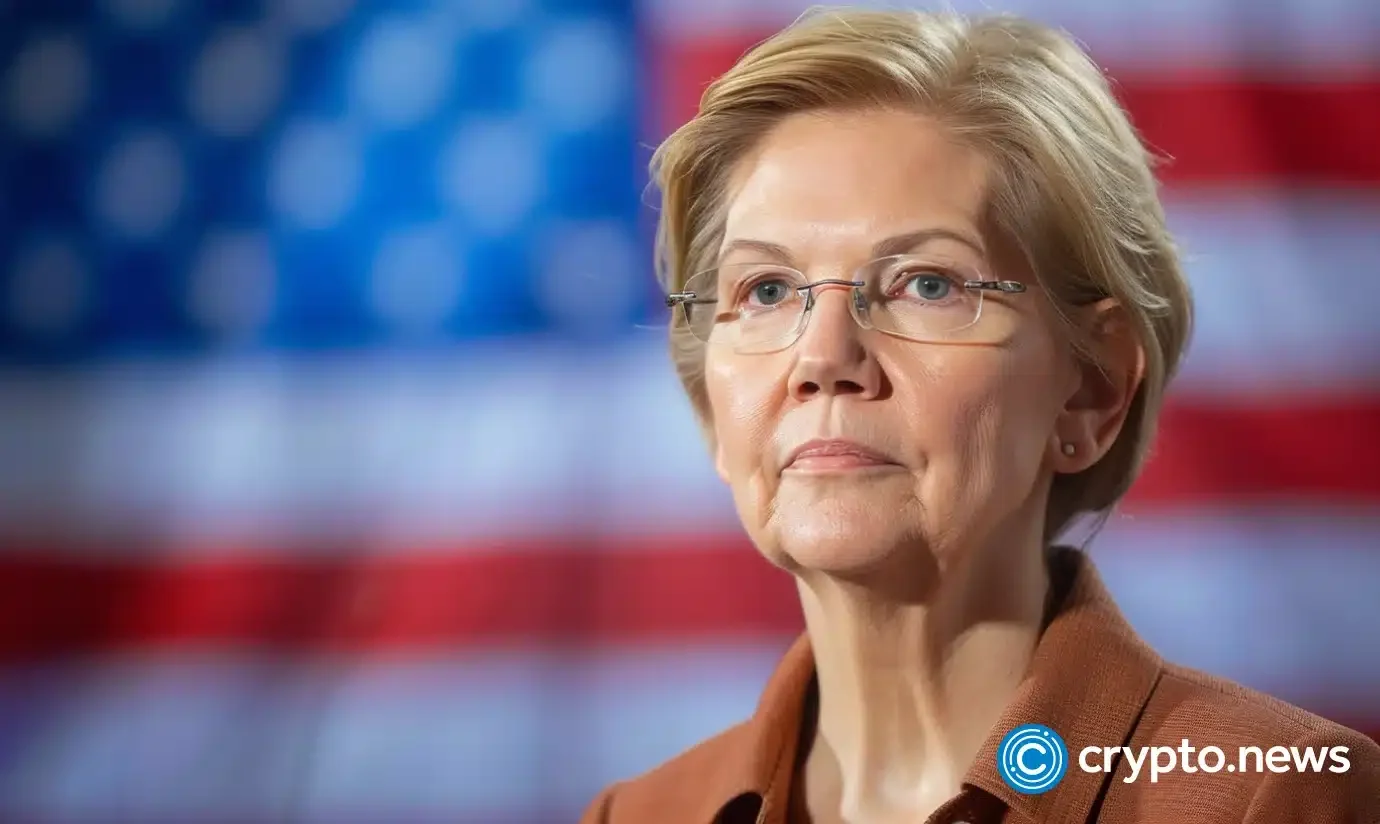
According to crypto.news reporting that is not officially confirmed, Senator Elizabeth Warren has expressed support for establishing federal digital asset rules while rejecting the current CLARITY Act due to unresolved concerns regarding corruption, consumer protection, national security, and financial stability.
Legislative Landscape and Opposition Details
According to media coverage by crypto.news, Senator Elizabeth Warren has articulated her position regarding the ongoing legislative efforts to construct a regulatory framework for digital assets within the United States. While affirming that she supports the general concept of establishing federal rules for the cryptocurrency industry, she firmly rejected the CLARITY Act in its current text. Her articulated objections center on multiple critical areas, including potential loopholes that could facilitate political corruption, inadequate consumer protection mechanisms, and unmitigated national security as well as broader economic risks. These factors have combined to create substantial friction within the upper chamber of the United States Congress, complicating efforts by lawmakers to forge a bipartisan consensus before upcoming legislative recesses.
Furthermore, the Massachusetts Democrat warned that poorly structured regulatory initiatives might inadvertently weaken existing regulatory bodies, thereby granting large digital asset enterprises opportunities to exploit jurisdictional gaps between federal agencies like the Securities and Exchange Commission and the Commodity Futures Trading Commission. Her sustained critique underscores the profound ideological and structural divisions that continue to characterize digital asset policy discussions in Washington. Industry observers note that without addressing these fundamental concerns regarding consumer safety and systemic financial stability, securing the necessary votes to pass sweeping market structure legislation remains an exceptionally difficult challenge for Senate leadership and congressional sponsors alike.
Ethics Disputes and Conflict of Interest Concerns
The debate surrounding the CLARITY Act has also been heavily influenced by wider political controversies involving high-profile government figures and their personal digital asset holdings. As reported by crypto.news, Warren previously scrutinized the digital asset interests of President Donald Trump while lawmakers actively deliberated the market structure legislation. Financial disclosures filed under government ethics regulations revealed substantial income originating from digital asset ventures, prompting rigorous questions regarding whether senior elected officials could exert undue influence on legislation capable of directly altering the market valuation of their personal investments. This intersection of personal financial gain and public legislative duty has emerged as a primary obstacle during intense behind-the-scenes negotiations among lawmakers.
Conflict-of-interest restrictions for senior federal officials have consistently remained among the most contentious points of discussion throughout the policy-making process. In addition to ethical scrutiny, negotiators have grappled with complex provisions concerning illicit finance prevention, decentralized finance oversight, stablecoin reward structures, and the exact jurisdictional boundaries assigned to the Commodity Futures Trading Commission. These multifaceted disputes have compounded existing legislative gridlock, making it exceedingly difficult for proponents of the bill to forge a unified path forward. As these ethical questions remain unresolved, lawmakers find themselves increasingly divided over how to enforce strict integrity standards without stifling technological innovation within the broader financial ecosystem.
Procedural Stalls in the Senate and Committee Dynamics
Legislative momentum for the digital asset market structure proposal suffered a decisive setback when Senate leadership elected not to advance procedural mechanisms required to bring the measure to the floor. According to reporting by crypto.news, Majority Leader John Thune declined to file cloture on a motion to proceed to the bill, effectively ending immediate expectations for a weekend vote even as lawmakers maintained a presence in Washington. Instead of prioritizing the digital asset legislation, leadership directed parliamentary attention toward alternative legislative items and executive branch nominations, demonstrating that crypto reform was temporarily deprioritized amidst competing congressional priorities and intense partisan friction.
The decision to bypass cloture on the market structure proposal highlights the fragile nature of floor scheduling when dealing with highly controversial financial legislation. Without a cloture filing to limit debate and overcome potential filibuster threats, the path toward full chamber consideration evaporated for the legislative session. Observers noted that securing the requisite sixty votes in the Senate requires broad bipartisan cooperation that has thus far proven elusive, especially given the fierce objections raised by key figures like Senator Warren. Consequently, the temporary suspension of procedural steps underscores the immense difficulty of passing major financial sector overhauls in a closely divided legislative body.
Market Sentiment and Prediction Market Reactions
External financial markets and predictive platforms quickly registered the deteriorating prospects for legislative success, with sentiment shifting toward profound skepticism. Based on metrics cited by crypto.news, traders on platforms such as Polymarket adjusted their forecasts significantly downwards, pricing the probability of the legislation being signed into law before the conclusion of the year at approximately seventeen percent. This downward revision represented a steep decline over a relatively short monitoring window, reflecting how swiftly political resistance can undermine market confidence in regulatory clarity. The sharp drop in projected passage odds mirrors the growing consensus among financial analysts that comprehensive federal rules will likely face protracted delays.
The steep decline in prediction market confidence acts as a direct barometer of institutional and retail sentiment regarding the trajectory of United States digital asset policy. Market participants who had previously anticipated a streamlined legislative process are now forced to reevaluate their strategic assumptions in light of the renewed political stalemate. As legislative horizons recede, digital asset companies operating within or targeting the United States market must continue navigating an intricate patchwork of state-level oversight and enforcement actions by federal regulators. This ongoing ambiguity reinforces the necessity for robust compliance frameworks, as the timeline for statutory certainty remains highly unpredictable.
Bipartisan Negotiations and Future Outlook
Despite the current legislative impasse, discussions among congressional Republicans, Democrats, and administration officials are reportedly continuing behind closed doors as stakeholders attempt to salvage key components of the regulatory reform package. According to crypto.news, further legislative movement will heavily depend on whether negotiators can successfully bridge deep-seated differences regarding ethics standards, consumer safeguarding mandates, illicit finance prevention protocols, and the division of regulatory authority between agencies. Achieving a workable compromise before lawmakers depart for the extended August recess appears increasingly implausible, yet the persistent dialogue suggests that neither side has completely abandoned the prospect of future statutory reform.
The ability of lawmakers to craft a revised bill that accommodates the rigorous demands put forth by progressive critics while satisfying the innovation-focused desires of the crypto industry will dictate the ultimate fate of the legislative initiative. Industry participants are closely monitoring these closed-door deliberations for any signs of compromise or text modifications that might alleviate current regulatory friction. However, until official text changes are formally introduced and advanced through standard committee and floor procedures, the regulatory environment will remain characterized by ambiguity, placing a premium on proactive risk management and adaptive compliance strategies for all crypto-native entities.
Conclusion and Actionable Assessment
In conclusion, based on media reporting by crypto.news that remains not officially confirmed, Senator Elizabeth Warren has formally rejected the current CLARITY Act while affirming her general support for federal digital asset rules. This development directly impacts United States Senate negotiators and the broader digital asset user group by halting immediate floor proceedings and driving prediction market passage odds down to approximately 17 percent. What changes now is the immediate legislative timeline, as leadership has dropped the bill from weekend voting schedules in favor of alternative priorities. Market participants must note that the text, ethics disputes, and exact committee jurisdiction remain unconfirmed by first-party legislative transcripts at this stage.
As the next concrete action, affected entities and digital asset market participants should immediately review their internal compliance frameworks and regulatory exposure maps while maintaining operations under existing state and federal guidelines. Industry stakeholders must avoid relying on speculative legislative outcomes and instead prepare for a prolonged period of regulatory uncertainty without assuming near-term statutory clarity. Monitoring upcoming committee announcements and official statements from congressional leadership will be essential for identifying any future revivals of the legislative package or subsequent text revisions.
Cexvia conclusion
Conclusion and Unconfirmed Status
According to reporting by crypto.news that remains not officially confirmed, Senator Elizabeth Warren has openly rejected the CLARITY Act in its current legislative form, directly impacting the affected entity United States Senate negotiators and the broader digital asset user group by halting immediate prospects for a floor vote.
- Risk meaning
- The legislative friction highlights ongoing regulatory uncertainty for U.S. crypto market participants, signaling that comprehensive market structure bills face severe hurdles due to bipartisan disagreements over ethics and consumer safeguards.
- User action
- Market participants and digital asset platforms should monitor evolving legislative negotiations and maintain compliance with existing regulatory frameworks while anticipating prolonged uncertainty.
Continue reading