Regulation and Compliance
Germany widens MiCA lead as latest EU register update adds 6 banks
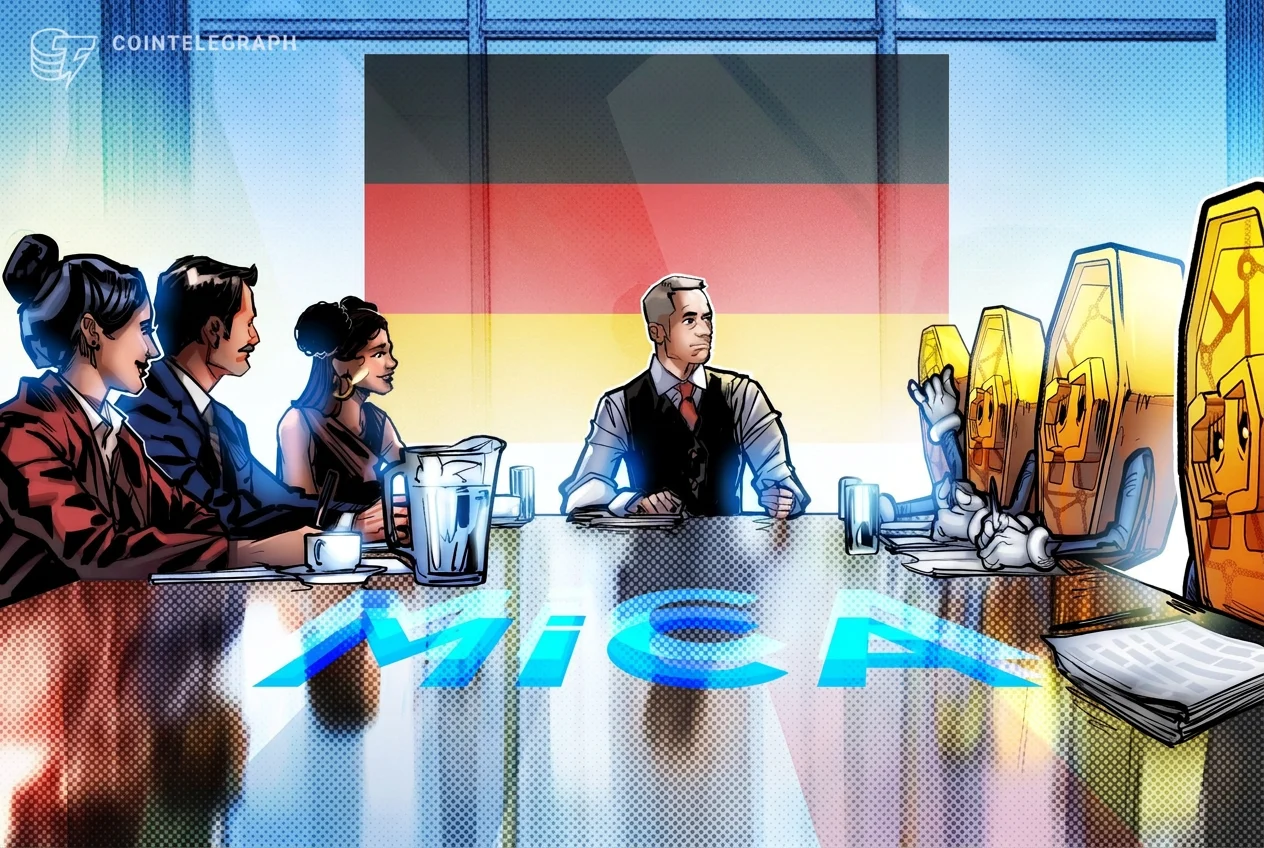
Germany expands its lead in EU MiCA authorizations with 79 crypto asset service providers, ahead of France and the Netherlands, though the media reporting on these registry figures is not officially confirmed by every local entity.
Regulatory Register Updates and Continental Expansion
Recent reporting published by Cointelegraph highlights that the Federal Republic of Germany has further solidified its dominant position within the European digital asset landscape. According to the updated registry data released by the European Securities and Markets Authority, the total number of authorized crypto asset service providers across participating member states has risen significantly. This expansion underscores an accelerated integration of compliant digital asset operations into mainstream financial frameworks throughout the continent, providing a clearer operational perimeter for institutional market participants seeking regulatory certainty under the comprehensive oversight of the Markets in Crypto-Assets regime.
The latest data release specifically emphasizes the inclusion of six additional regional cooperative banking institutions incorporated into the federal jurisdiction. These newly registered entities join a growing cohort of domestic financial intermediaries that have successfully navigated the stringent compliance requirements mandated by European authorities. Market observers note that this steady influx of traditional banking institutions into the officially recognized register demonstrates a profound structural evolution in how conventional financial service providers perceive the commercial viability and regulatory necessity of offering digital asset services to their extensive retail and institutional customer bases.
Comparative Analysis of Jurisdictional Adoption Rates
A detailed examination of the updated supervisory metrics reveals significant disparities in adoption velocity among major European economies. Germany currently maintains a commanding lead with seventy-nine registered entities, substantially outperforming neighboring jurisdictions such as the French Republic, which accounts for thirty-five recognized providers, and the Kingdom of the Netherlands, holding twenty-nine approved entities. This numerical divergence highlights the varying degrees of institutional readiness and the distinct approaches adopted by national competent authorities in facilitating the transition of legacy financial institutions and native digital asset enterprises into the unified regulatory framework.
Furthermore, statistical tracking demonstrates that the German total has experienced rapid upward momentum over recent months, growing noticeably from earlier baseline figures recorded in the late spring period. Industry analysts attribute this accelerated growth rate to a combination of proactive institutional engagement and the pragmatic implementation strategies deployed by domestic supervisors. Consequently, the jurisdiction has successfully positioned itself as the primary operational hub for regulated digital finance within the European Union, attracting significant interest from corporate entities seeking robust legal certainty and transparent supervisory practices.
Supervisory Rationales and Pre-Existing Frameworks
In communications with publishing staff, representatives from Germany’s Federal Financial Supervisory Authority, widely known as BaFin, elucidated several core factors contributing to the nation's exceptional authorization volume. Regulatory officials emphasized that the high concentration of approved entities is partly a direct consequence of the country's extensive and multifaceted financial sector, which naturally encompasses a vast array of credit institutions qualified to provide specialized digital asset custody and trading services. This foundational depth provides a robust pipeline of mature institutions capable of meeting stringent capital and operational standards.
Additionally, the supervisory body pointed to Germany's well-established national licensing regime that predated the pan-European legislative rollout. This pre-existing domestic framework allegedly afforded certain domestic crypto asset service providers access to streamlined authorization procedures and simplified administrative pathways during the critical transition phase toward full harmonization. Although these legacy procedures facilitated smoother integration, all participating entities remain fully subject to ongoing surveillance and compliance monitoring designed to safeguard market integrity and protect consumer interests across the broader financial marketplace.
Broader Dataset Status and Ancillary Market Indicators
Despite the notable expansion observed within the primary service provider registry, other key components maintained by European regulatory bodies remained unchanged during the latest update cycle. Specifically, the official register concerning asset-referenced tokens continued to display an empty inventory, indicating that formal issuances under these specific product categories have not yet materialized within the published supervisory parameters. Meanwhile, the dedicated register for electronic money tokens maintained a stable count of forty-three active entries, reflecting a measured and cautious approach by issuers operating within heavily regulated payment token segments.
In parallel, the administrative dataset tracking non-compliant and unauthorized entities operating across member state boundaries remained constant at one hundred sixty-seven entries. This steady figure underscores the ongoing enforcement challenges faced by continental authorities as they monitor unlicensed offshore platforms attempting to solicit European retail clients. Market commentators and legal experts regularly review these ancillary metrics to gauge the overall effectiveness of cross-border enforcement coordination and to evaluate the broader systemic impact of harmonized digital asset oversight on emerging decentralized finance innovations.
Definitive Findings and Strategic Action Summary
This report concludes that Germany has widened its documented lead in European regulatory compliance registrations through the addition of six cooperative banks, bringing its total authorized crypto asset service providers to seventy-nine. These developments, which are based on reported media coverage, remain not officially confirmed by independent first-party verification outside the published registry data. The affected entities include German cooperative institutions such as Raiffeisenbank Aidlingen and Volksbank Euskirchen, while the impacted user groups comprise institutional clients and retail account holders navigating the evolving domestic digital asset ecosystem. The changes now require market participants to cross-reference counterparty licenses directly with official supervisory databases to ensure complete legal compliance before executing transactions.
As a definitive next action, institutional investors and retail users must independently verify the authorization status of any cooperative bank or digital asset provider through official European Securities and Markets Authority portals rather than relying solely on secondary media reports. The reported register updates demonstrate significant institutional momentum, but stakeholders must separate established registry figures from unconfirmed operational assumptions. Monitoring ongoing regulatory disclosures will remain essential as European supervisory bodies continue to refine compliance standards and enforce cross-border digital finance rules across all participating member states.
Cexvia conclusion
Definitive Regulatory Assessment and Strategic Outlook
Media reporting indicates that Germany has widened its lead in the number of digital asset providers authorized under the European Union regulatory framework, adding six cooperative banks in the latest European Securities and Markets Authority update, which remains not officially confirmed by independent validation outside the published register data.
- Risk meaning
- The increasing concentration of licensed banking entities entering the regulated digital asset sphere signals a broader institutional pivot toward compliant custody and trading services, introducing structural shifts in how traditional financial institutions interact with blockchain markets across the European Economic Area.
- User action
- Digital asset participants and institutional clients operating within the European jurisdiction should verify counterparty licensing statuses directly against official regulatory registries before engaging in transactions or depositing funds with newly added cooperative banks.
Continue reading