Financial Markets
Dispute Arises Over Iranian Economic Resilience Amid Escalating Sanctions and Regional Trade Ruptures
According to CNBC Top News, a former adviser to Iran's central bank pushed back against claims that the country's economy is on the brink of collapse, though the situation remains not officially confirmed by independent multilateral verification bodies.
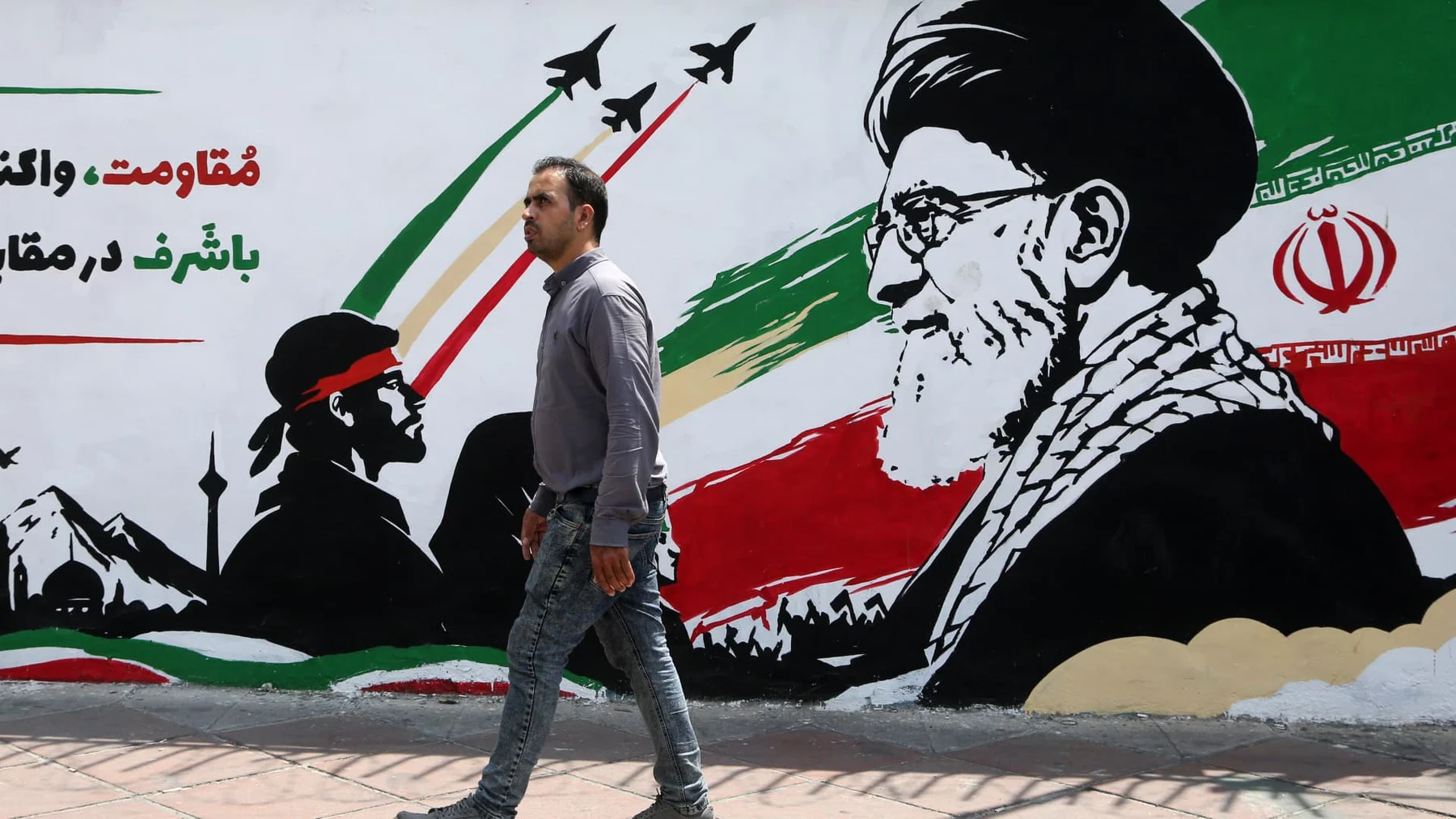
Overview of Economic Pressures and Official Rhetoric
Recent reports published by CNBC Top News highlight a growing divergence in assessments regarding the macroeconomic stability of Iran under intense international pressure. While political leaders in Washington have characterized the regime as hanging by a thread and facing unprecedented isolation, analysts within Tehran offer a more nuanced perspective on daily commercial survival. The public discourse has intensified following the breakdown of recent diplomatic engagements, leading to an aggressive expansion of punitive financial measures designed to target remaining trade corridors and sovereign revenue collection systems.
The reported escalation follows a sustained campaign by external authorities aiming to eliminate revenue streams associated with the state apparatus. Observers note that while commercial vitality has unquestionably suffered from persistent inflation and currency depreciation, basic retail environments continue to function without immediate widespread panic buying. Market participants are advised to distinguish between political rhetoric concerning total systemic failure and the ground-level realities described by regional financial insiders who monitor day-to-day liquidity and consumer supply chains.
Banking Sector Resilience and Consumer Impact
According to statements cited by CNBC Top News from Mehrdad Sepahvand of Daric Investment Group, public trust in the domestic banking apparatus has managed to avoid complete disintegration despite severe systemic imbalances and sophisticated cyberattacks. Retail depositors have not initiated catastrophic bank runs, which suggests that a baseline level of confidence persists among ordinary account holders despite shrinking household purchasing power. Nevertheless, consumer price indices reflect extreme inflationary pressures, particularly concerning food products and essential household goods that dictate the standard of living for working-class families.
The human cost of these prolonged financial restrictions falls disproportionately on younger demographics and low-income households who encounter shrinking employment opportunities and soaring living expenses. Independent estimates referenced in media coverage indicate that regional hostilities and industrial disruptions have eliminated numerous jobs across multiple sectors. This combination of high inflation and vanishing career prospects deepens social vulnerabilities, creating an environment where economic survival supersedes long-term financial planning for a vast segment of the population.
Regional Trade Disruption and Gateway Vulnerabilities
A critical turning point in the unfolding economic narrative involves the strategic decision by the United Arab Emirates to terminate trade and financial interactions with Iran. Historically serving as a primary conduit for imported merchandise and capital flows, the loss of this vital economic gateway introduces severe logistical hurdles for importers operating within the sanctions-hit jurisdiction. Financial commentators interviewed by CNBC Top News suggest that the sudden severance of these commercial pathways will immediately accelerate currency depreciation and inflate import costs over upcoming reporting quarters.
The closure of exchange houses, front companies, and ship registries associated with cross-border trade networks severely restricts the capacity of local enterprises to settle international invoices. External pressure aimed at penalizing any secondary jurisdiction offering economic lifelines reinforces the isolation of local financial markets from global liquidity pools. Consequently, businesses relying on external inputs must navigate an increasingly complex matrix of alternative settlement routes, significantly raising operational friction and compliance costs for all participating commercial entities.
Geopolitical Stalemate and Hardliner Consolidation
Media coverage from CNBC Top News highlights that intensified economic pressure may inadvertently produce counterproductive political outcomes by strengthening domestic hardliners within the state apparatus. Rather than compelling a return to diplomatic negotiations, severe financial isolation creates conditions that benefit political factions resistant to foreign concessions. Regional analysts observe that the ongoing confrontation diminishes the political space available for moderate reformers who advocate for international integration and structural compromise.
The persistence of this diplomatic stalemate ensures that economic policy remains subordinated to security imperatives, leaving little room for constructive reform within the banking and commercial sectors. As external sanctions expand to cover all potential monetary lifelines and smuggling networks, the governing structure adapts by institutionalizing controls that favor state-aligned entities over independent market participants. This dynamic complicates long-term forecasting for international observers who attempt to model the trajectory of regional trade and currency valuation.
Conclusion, Unconfirmed Status, and Recommended Next Actions
In conclusion, the reported information regarding Iran's economic contraction and the severe trade rupture with the United Arab Emirates remains not officially confirmed by multilateral institutional audits or direct governmental disclosures from all affected parties. While CNBC Top News documented expert testimony detailing a projected 5% economic contraction and mounting commercial friction, the full systemic impact on currency exchange markets and local financial institutions requires independent verification. Affected entities, including cross-border merchants, fintech operators, and regional investors, must recognize that the reported economic decline and trade severance have not officially been confirmed by global regulatory authorities.
Given the elevated uncertainty surrounding these developments, market participants and digital asset platforms engaging with adjacent Middle Eastern corridors must immediately adjust their risk assessment protocols. The recommended next action for risk compliance teams is to conduct exhaustive audits of counterparty exposures, restrict automated routing through high-risk exchange channels, and refrain from making strategic decisions based on unverified macroeconomic forecasts. Continued vigilance remains essential as geopolitical tensions continue to influence currency stability and regional settlement security.
Cexvia conclusion
Conclusion and Strategic Outlook on Regional Economic Reporting
The reported dispute concerns the actual state of Iran's economy following severe sanctions and trade restrictions, affecting everyday citizens and regional market observers, with the underlying economic contraction and trade rupture remaining not officially confirmed by international regulatory bodies.
- Risk meaning
- Escalating trade restrictions and heightened geopolitical tensions create unpredictable volatility for regional currency exchange channels, cross-border settlement mechanisms, and digital asset markets operating within affected jurisdictions.
- User action
- Market participants operating in adjacent jurisdictions should monitor cross-border settlement rails, enhance due diligence on counterparties linked to high-risk zones, and avoid speculative positions tied to unverified macroeconomic claims.
Continue reading