Financial markets and geopolitical risk
Iran and Oman Prepare Hormuz Deal as U.S. Holds Back on Secondary Sanctions Amid Regional Tensions
According to CNBC, Iran and Oman are approaching a framework agreement to secure transit through the Strait of Hormuz, while the United States has temporarily held off on secondary sanctions following diplomatic friction and warnings from Beijing. This development remains not officially confirmed by independent first-party authorities.
Diplomatic Frameworks and Regional Negotiations in the Gulf
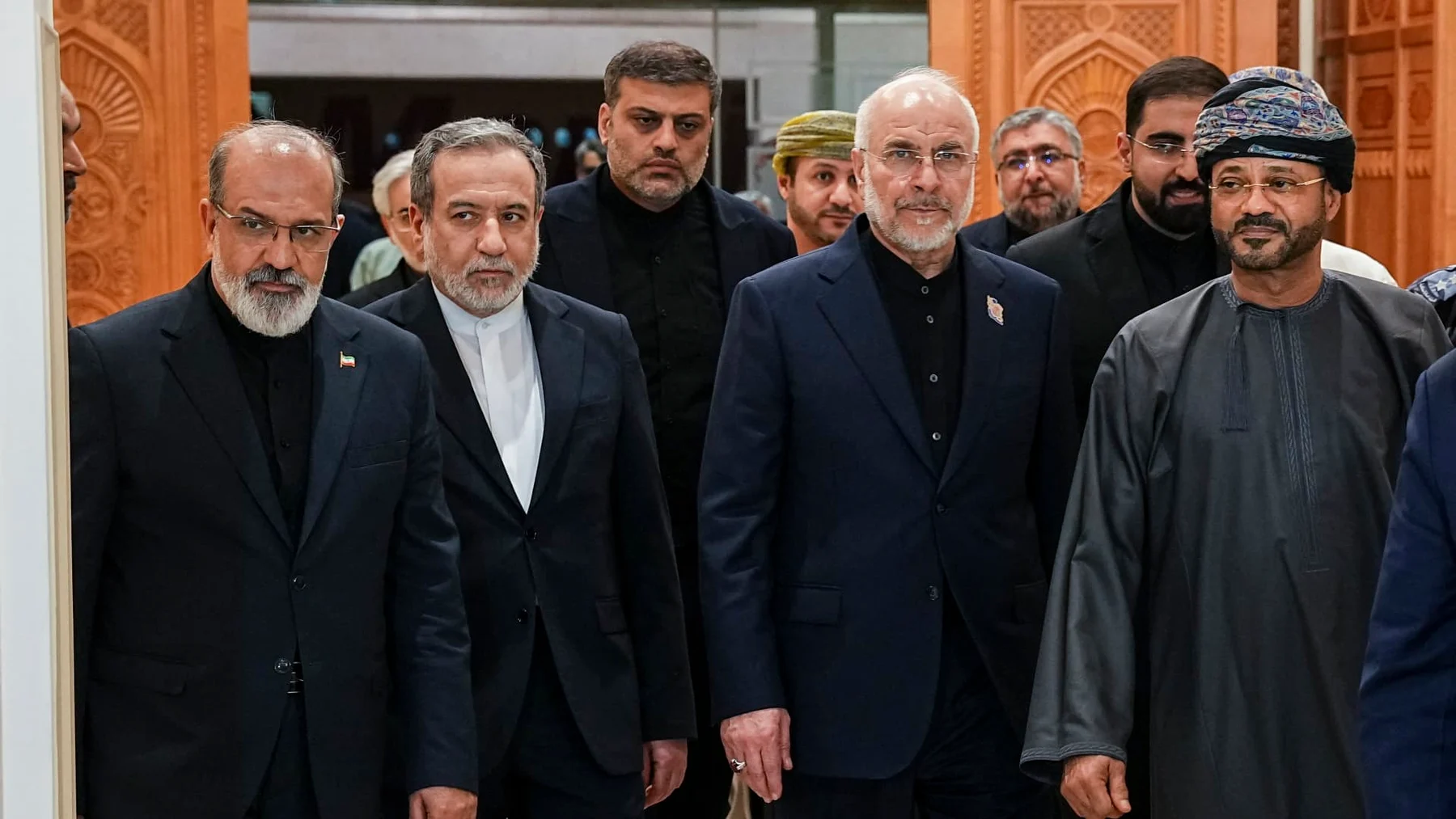
Recent reporting published by CNBC highlights that representatives from Iran and Oman have engaged in substantive discussions to establish a secure transit pathway through the strategically vital Strait of Hormuz. According to the joint statements issued by the respective foreign ministers, the proposed framework aims to implement a temporary navigational corridor alongside joint efforts to clear lingering mines from the economic artery. This diplomatic outreach represents a significant attempt by regional actors to mitigate ongoing security threats that have severely restricted commercial vessel movements over the preceding months.
Despite these reported diplomatic breakthroughs, independent verification from international maritime organizations or first-party governmental bodies remains absent at this stage. Analysts and market observers emphasize that while technical negotiations regarding permanent traffic management and security services are scheduled to continue, the practical implementation of such corridors faces substantial logistical hurdles. The delicate balance of power in the region necessitates cautious interpretation of these preliminary announcements, as underlying military tensions could easily disrupt any fragile consensus reached by the negotiating parties.
Commodity Market Responses and Supply Chain Pressures
Global commodity markets reacted swiftly to the news of the proposed transit framework, with international benchmark Brent Crude sliding below the psychological threshold of ninety dollars per barrel. Shipping data compiled by maritime analytics providers like Kpler revealed that vessel traffic through the critical chokepoint remained significantly depressed, with only a fraction of normal daily commodity tankers successfully completing the transit compared to historical averages. The juxtaposition of falling oil prices against severely restricted physical shipping volumes illustrates the complex speculative dynamics currently driving energy futures and related financial instruments worldwide.
Market participants across traditional and digital financial ecosystems continue to parse conflicting signals regarding the long-term security of Gulf energy exports. While preliminary discussions of mine-clearing projects offer a glimmer of hope for normalization, the persistent shortfall in active tanker transit underscores the lingering operational risks that physical traders face daily. Consequently, volatility in energy derivatives has translated directly into erratic trading patterns across commodity-linked tokens and broader cryptocurrency markets, forcing institutional risk managers to adjust their hedging strategies accordingly.
U.S. Sanction Deferrals and International Trade Friction
In a parallel development reported by media outlets, the United States has temporarily held off on deploying aggressive secondary sanctions that were previously threatened under an initiative dubbed economic D-Day. Treasury officials had earlier indicated intentions to target numerous individuals, entities, and vessels facilitating trade with the Iranian regime, particularly focusing on financial institutions in major consumer nations. However, the anticipated escalation was deliberately paused, with administration figures pointing toward the necessity of providing adequate cure periods and avoiding catastrophic disruptions to the global financial system during sensitive diplomatic windows.
The decision to withhold immediate secondary sanctions followed robust diplomatic pushback and retaliatory warnings from Beijing, which imports a vast majority of Iranian crude oil supplies. Chinese foreign ministry spokespersons publicly asserted that the nation would take all necessary measures to safeguard its commercial rights and national interests if economic pressures were expanded arbitrarily. This geopolitical standoff highlights the intricate web of dependencies linking international trade, sovereign currency flows, and digital asset settlements, where regulatory threats can instantly alter the risk profile of cross-border financial transactions.
Implications for Digital Asset Liquidity and Exchange Ecosystems
The confluence of unconfirmed geopolitical deals and deferred secondary sanctions creates a uniquely challenging operating environment for cryptocurrency exchanges and decentralized liquidity providers. Digital asset markets frequently act as real-time barometers for macroeconomic anxiety, absorbing sudden capital inflows or panic-driven liquidations whenever international tensions flare up or subside unexpectedly. As major jurisdictions deliberate on the enforcement of strict compliance measures against sanctioned energy networks, cryptocurrency trading venues must remain vigilant against potential illicit fund flows attempting to bypass traditional banking restrictions.
Risk intelligence assessments indicate that exchanges with inadequate compliance monitoring tools could face severe regulatory repercussions if illicit actors attempt to leverage digital assets for sanctions evasion during periods of heightened geopolitical stress. Furthermore, automated market makers and lending protocols handling commodity-pegged synthetic tokens may experience pricing anomalies when underlying physical assets face supply chain disruptions. Consequently, platform operators are strongly advised to enhance transaction surveillance protocols and ensure robust collateral requirements are enforced across all leveraged trading pairs.
Concluding Risk Assessment and Required Action
In conclusion, Cexvia's risk intelligence analysis finds that while reported negotiations between Iran and Oman regarding the Strait of Hormuz and the temporary U.S. pause on secondary sanctions offer a temporary reprieve for global markets, these developments remain not officially confirmed by primary first-party authorities. The affected entities include global energy traders, financial intermediaries, and digital asset market participants exposed to commodity-linked volatility. What changes now is that market participants must operate under heightened surveillance conditions while acknowledging that underlying geopolitical risks have not been permanently resolved.
The next required action for all affected user groups and institutional platforms is to conduct an immediate portfolio stress test and reinforce compliance verification procedures. Stakeholders must refrain from over-relying on unconfirmed media reports regarding ceasefire agreements or permanent transit normalization, ensuring instead that capital reserves remain adequate to withstand sudden market corrections. By prioritizing defensive risk management and maintaining strict adherence to international regulatory standards, market participants can successfully navigate the ongoing uncertainties surrounding Gulf shipping routes.
Cexvia conclusion
Defensive Positioning Amid Unconfirmed Geopolitical Shifts
Cexvia has established that bilateral discussions between Iran and Oman regarding navigational corridors in the Strait of Hormuz are underway alongside fluctuating U.S. sanction policies. Affected stakeholders include global energy traders, digital asset market participants, and regional financial intermediaries. This development remains not officially confirmed by primary governmental sources.
- Risk meaning
- Geopolitical friction in crucial shipping lanes directly influences broader financial market stability, creating sudden volatility shocks that cascade across digital asset derivatives and commodity-linked tokens. When major economic corridors face transit disruptions and potential regulatory clampdowns, liquidity pools across centralized and decentralized exchanges often experience erratic price swings. Market participants must carefully monitor how shifting diplomatic negotiations and delayed enforcement actions might alter risk premiums and collateral values across various trading platforms worldwide.
- User action
- Digital asset traders and institutional market makers operating across global cryptocurrency platforms should immediately review their risk management frameworks and reduce excessive leverage exposures. Participants ought to maintain enhanced liquidity buffers to absorb potential volatility spikes stemming from unexpected geopolitical headlines or sudden regulatory shifts. Furthermore, entities must continuously monitor official compliance updates from major jurisdictions to ensure their trading strategies remain resilient against sudden enforcement actions.
Continue reading