Geopolitical Risk
Iran and Oman Establish Temporary Shipping Corridor Through Strait of Hormuz
Crypto Briefing reported that Iran and Oman established a temporary shipping corridor through the Strait of Hormuz to help stabilize global energy markets, though this development remains not officially confirmed by independent maritime or first-party authorities.
Overview of the Reported Maritime Agreement
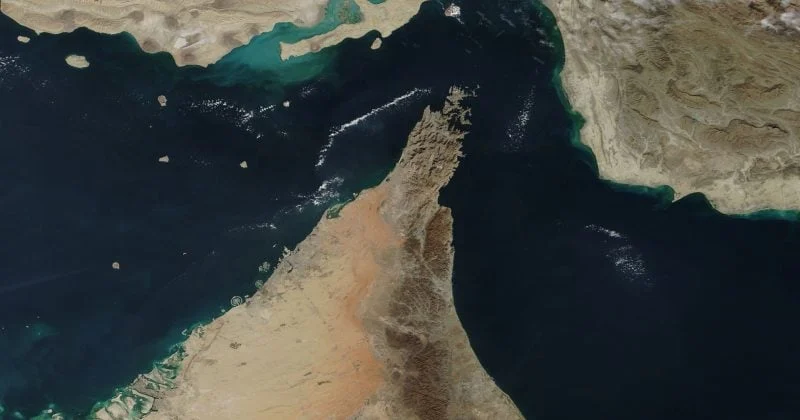
According to reporting published by Crypto Briefing, the government authorities of Iran and Oman have formalized a joint navigation agreement aimed at establishing a temporary commercial shipping corridor through the strategically vital Strait of Hormuz. This reported diplomatic development attempts to offer a fragile path toward operational stability within one of the most critical energy transit routes in the global economy, where substantial portions of international crude oil and liquefied natural gas supplies are routinely transported daily. The publication noted that the arrangement serves as an interim fix designed to facilitate commercial vessel movements while broader diplomatic negotiations regarding long-term maritime management frameworks continue between the respective regional governments and international stakeholders.
The reported framework builds upon prior diplomatic engagements, including a memorandum of understanding previously negotiated to address post-ceasefire security concerns and safe passage guarantees within the waterway. Independent industry observers have pointed out that despite these reported diplomatic milestones, the operational reality on the ground remains exceptionally complex due to lingering physical hazards and competing jurisdictional authorities. Market participants across various financial sectors, including digital asset exchanges, are advised to track these developments carefully because prolonged disruptions in key energy corridors frequently generate secondary inflationary pressures and macroeconomic volatility that can indirectly influence broader investor sentiment and trading liquidity across global markets.
Physical Hazards and Operational Complexities
Crypto Briefing highlighted that despite the reported bilateral corridor agreement, significant physical obstacles continue to impede fully normalized maritime traffic through the central Traffic Separation Scheme of the Strait of Hormuz. Specifically, numerous naval mines deployed during earlier periods of regional conflict reportedly remain uncleared within standard routing lanes, creating severe navigational risks for commercial cargo vessels and oil tankers attempting transit. Demining operations are reportedly included in ongoing negotiation agendas, but no definitive public timeline has been announced by responsible authorities to ensure the complete removal of these explosive hazards, leaving vessel operators to navigate an environment characterized by considerable uncertainty and potential danger.
In addition to unexploded ordnance, commercial shipping operators have faced conflicting routing instructions and regulatory directives from various military and civilian entities operating along the northern and southern coastlines of the waterway. The Islamic Revolutionary Guard Corps has previously maintained distinct operational stances regarding maritime routes, which has occasionally generated confusion among independent ship operators attempting to reconcile international maritime safety recommendations with local security demands. This multiplicity of oversight authorities underscores the fragile nature of the reported temporary corridor and emphasizes why comprehensive, universally recognized demining and management protocols remain an absolute prerequisite for permanent maritime security in the region.
Implications for Global Energy and Financial Markets
The Strait of Hormuz functions as one of the preeminent energy chokepoints on the planet, facilitating the passage of approximately twenty percent of the global supply of petroleum and liquefied natural gas from Persian Gulf producers to destination markets across Asia, Europe, and North America. Any prolonged restriction, security threat, or logistical bottleneck within this vital maritime artery immediately transmits shockwaves through international energy pricing structures, driving up crude oil futures and LNG spot contracts. These energy price spikes subsequently elevate global inflationary pressures, prompting central banks to reassess monetary policy trajectories and potentially tightening overall financial liquidity across both traditional banking systems and digital asset ecosystems.
Although the reported temporary corridor between Iran and Oman represents a constructive step toward mitigating severe supply shocks, financial market analysts emphasize that interim arrangements cannot fully replace a permanent, guaranteed security framework. Cryptographic asset markets, which increasingly correlate with macroeconomic liquidity trends and risk-on or risk-off investor sentiment, remain sensitive to geopolitical developments in energy-producing regions. Consequently, risk intelligence professionals, institutional cryptocurrency funds, and exchange platforms must maintain heightened vigilance regarding Middle Eastern shipping lanes, as sudden escalations or diplomatic breakthroughs can rapidly alter market risk premiums and asset valuations across global financial networks.
Geopolitical Governance and Legal Dimensions
From a legal perspective, international maritime law generally prohibits the arbitrary restriction or blocking of transit passage through international straits that serve as essential routes for international navigation. Because the geography of the Strait of Hormuz places the northern coastline under Iranian jurisdiction and the southern coastline under Omani authority, practical governance of commercial shipping has historically necessitated cooperative bilateral frameworks and adherence to recognized diplomatic norms. The reported agreement between Tehran and Muscat attempts to operationalize this cooperative necessity by creating a formalized bilateral mechanism that gives institutional backing to commercial passage commitments previously outlined in broader diplomatic memorandums.
However, international legal scholars and maritime security experts note that the effectiveness of such bilateral arrangements depends heavily on enforcement consistency and the active cooperation of all armed factions operating within the theater. The involvement of multiple state and non-state actors with divergent strategic objectives means that compliance with interim routing protocols remains subject to shifting political dynamics. Without a binding multilateral accord backed by robust international verification mechanisms, commercial entities operating in the region continue to face legal and operational ambiguity, underscoring the provisional nature of the current de-escalation framework reported by industry news sources.
Conclusion and Actionable Outlook
In conclusion, Crypto Briefing reported that Iran and Oman established a temporary shipping corridor through the Strait of Hormuz to help stabilize global energy markets, a development that remains not officially confirmed by independent maritime authorities or first-party government verifications. This reported event directly affects global energy logistics providers, macroeconomic forecasters, institutional digital asset funds, and cryptocurrency exchange risk management teams who rely on stable commodity flows to maintain orderly market operations. What changes now is that risk monitoring protocols must incorporate potential supply chain stabilization scenarios alongside ongoing demining uncertainties, requiring market participants to actively track diplomatic and military updates rather than assuming immediate normalization.
As the next concrete action, compliance officers and trading desk managers at affected entities must conduct a comprehensive review of their geopolitical risk exposure models, ensuring that contingency playbooks account for both unconfirmed maritime routing changes and potential energy price volatility. Stakeholders must carefully distinguish between officially verified maritime treaties and unverified media reports when adjusting portfolio risk limits, maintaining agile operational readiness to respond to any sudden shifts in regional security dynamics or international trade conditions across the global digital asset ecosystem.
Cexvia conclusion
Assessment of Hormuz Corridor Developments
Crypto Briefing reported that a bilateral navigation agreement between Iran and Oman created a temporary commercial corridor in the Strait of Hormuz, an initiative that remains not officially confirmed by broader verification bodies.
- Risk meaning
- Disruptions in critical maritime energy chokepoints directly impact global macroeconomic stability, which can cascade into cryptocurrency market volatility, liquidity contraction, and heightened risk premiums for digital asset participants.
- User action
- Crypto exchange operators, market makers, and institutional traders should closely monitor macroeconomic indicators, energy market developments, and supply chain updates to adjust risk parameters and contingency plans accordingly.
Continue reading