Regulatory Uncertainty
JPMorgan Cites Fading Clarity Act Odds as Drag on Crypto Market Outlook (not officially confirmed)
According to CoinDesk, JPMorgan has stated that the declining likelihood of the Clarity Act passing in the U.S. Senate this year is negatively impacting the outlook for crypto markets. The bank argues that the absence of clear regulatory legislation removes a key catalyst for digital asset growth, even as tokenization and institutional adoption continue to advance. This report is not officially confirmed and is based solely on media reporting.
Background and Context
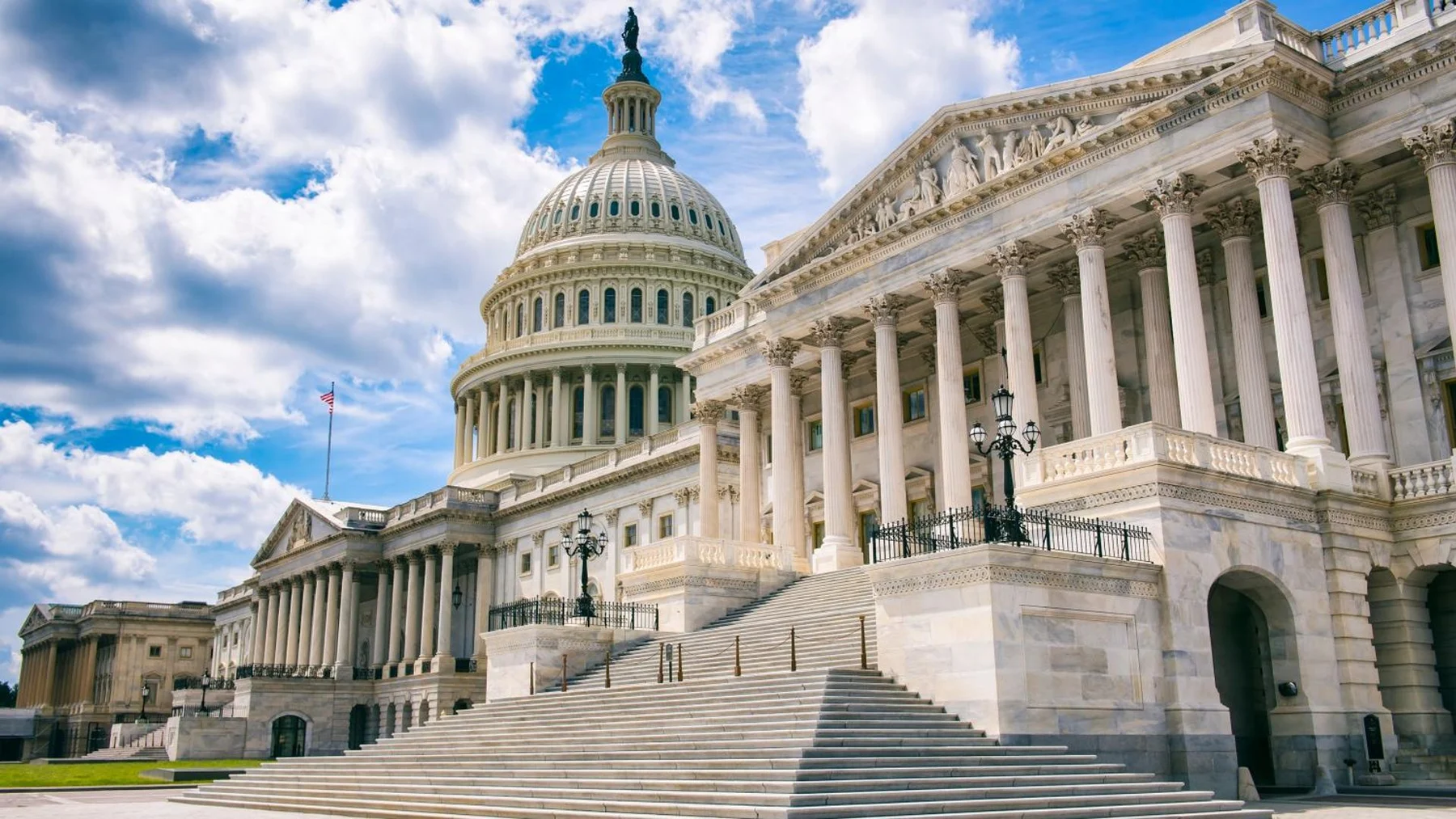
CoinDesk has reported that JPMorgan, a major U.S. financial institution, believes the likelihood of the Clarity Act passing in the U.S. Senate this year has diminished. The Clarity Act is a proposed piece of legislation intended to provide clearer regulatory oversight for digital assets by dividing jurisdiction between the Securities and Exchange Commission (SEC) and the Commodity Futures Trading Commission (CFTC). According to JPMorgan, the passage of this act is seen as a crucial catalyst for the growth of crypto markets and institutional adoption. However, recent developments, such as the Senate prioritizing other bills and ongoing negotiations over key provisions, have reduced the chances of the Clarity Act being enacted in the near term.
The Clarity Act has been widely regarded as a cornerstone for the next phase of institutional crypto adoption. By establishing clear rules for digital assets, the legislation could give banks, brokers, exchanges, and asset managers greater confidence to invest, launch products, and build market infrastructure. The absence of such clarity, as reported by CoinDesk, is now viewed by JPMorgan as a setback for the industry, potentially slowing the migration of trading and liquidity to regulated U.S. venues.
Reported Impact on Crypto Markets
JPMorgan, as cited by CoinDesk, warns that the fading prospects for the Clarity Act are undermining one of the crypto industry's most significant regulatory catalysts. The bank notes that prediction markets now imply only a 37% chance of the legislation passing before year-end, following the Senate's decision to prioritize other bills ahead of its summer recess. This reported uncertainty is seen as a setback for both crypto markets and institutional adoption, as the lack of clear regulatory guidance may discourage banks and asset managers from expanding into digital assets.
The report further highlights that ongoing negotiations remain deadlocked over several critical issues, including ethics provisions, enforcement mechanisms, decentralized finance (DeFi), stablecoin yield, and anti-money laundering rules. These unresolved matters contribute to the legislative delay and increase the risk that tokenization and blockchain-based applications may be absorbed by incumbent market infrastructure, rather than benefiting public crypto networks. JPMorgan analysts reportedly believe that the longer the approval of the Clarity Act is postponed, the greater the threat to the growth and innovation of crypto markets.
Institutional Adoption and Tokenization Trends
Despite the legislative uncertainty, CoinDesk reports that tokenization and institutional adoption of digital assets continue to advance. JPMorgan notes that some positive trends are already emerging, such as Citadel Securities' $400 million investment in Crypto.com and the Commodity Futures Trading Commission's approval of the first U.S.-regulated perpetual crypto futures contracts. These developments indicate that institutional interest in digital assets remains strong, even as regulatory clarity is lacking.
However, JPMorgan cautions that parts of the current Clarity Act draft could deter institutional participation. Specifically, the draft reportedly allows some tokenized securities and derivatives trading outside SEC or CFTC oversight and imposes lighter anti-money laundering requirements than those faced by traditional financial firms. This could create uneven regulatory standards and discourage banks, exchanges, custodians, and market makers from fully engaging with digital assets until clearer rules are established.
Regulatory Uncertainty and Compliance Risks
The reported delay and uncertainty surrounding the Clarity Act introduce significant compliance risks for crypto exchanges and institutional investors. Without a predictable regulatory framework, market participants may struggle to interpret existing rules, manage operational risks, and ensure compliance with anti-money laundering and securities laws. This ambiguity can hinder product development, investment decisions, and cross-border operations, especially for entities seeking to expand their presence in the U.S. digital asset market.
CoinDesk's coverage, citing JPMorgan, underscores that regulatory clarity is essential for fostering confidence among banks, asset managers, and other institutional players. The absence of clear oversight may force tokenization and blockchain innovation onto traditional financial infrastructure, potentially limiting the benefits of decentralized networks and reducing the competitive advantage of public crypto platforms.
Industry Reactions and Ongoing Legislative Challenges
CoinDesk notes that other financial institutions, such as investment bank Jefferies, have also expressed concerns about the Clarity Act's legislative hurdles. Despite clearing the Senate Banking Committee, the act reportedly faces significant obstacles, including disagreements over enforcement, DeFi regulation, stablecoin yields, and anti-money laundering standards. These challenges have contributed to the deadlock and reduced the likelihood of the act being passed in the near future.
The industry continues to monitor the legislative process closely, as the outcome will have far-reaching implications for crypto exchanges, asset managers, and institutional investors. Until official confirmation or further regulatory clarity is achieved, market participants are advised to exercise caution and remain vigilant regarding compliance and operational risks.
Concrete Finding, Affected Entities, and Next Steps
Based on CoinDesk's reporting, which is not officially confirmed, JPMorgan's assessment indicates that the fading odds of the Clarity Act passing this year represent a setback for the crypto market and institutional adoption. The affected entities include crypto exchanges, banks, asset managers, and institutional investors operating in or considering entry into the U.S. digital asset market. The immediate change is an increase in regulatory uncertainty and compliance risk, which may discourage expansion and innovation until clearer rules are established.
What was reported: JPMorgan's view, as cited by CoinDesk, is that the lack of regulatory clarity is undermining market confidence and may push tokenization onto traditional financial infrastructure. What remains unconfirmed: The actual legislative outcome, the final content of the Clarity Act, and the official positions of regulators and lawmakers. The next action for affected users and entities is to monitor regulatory developments, exercise caution in launching new products or expanding operations, and prepare for potential changes in compliance requirements.
Cexvia conclusion
Concrete Finding and Next Steps (not officially confirmed)
JPMorgan's assessment, as reported by CoinDesk and not officially confirmed, suggests that the fading prospects for the Clarity Act are a setback for crypto market development and institutional adoption. The lack of regulatory clarity may push tokenization onto traditional financial infrastructure rather than public blockchain networks.
- Risk meaning
- The reported decline in the Clarity Act's passage odds introduces greater uncertainty for crypto exchanges, institutional investors, and digital asset service providers. Without clear regulatory guidance, market participants may face increased compliance risks, operational ambiguity, and reduced confidence in expanding into digital assets.
- User action
- Crypto exchange users and institutional investors should closely monitor regulatory developments and legislative progress related to the Clarity Act. Until official confirmation or further regulatory clarity emerges, caution is advised in expanding operations or launching new products tied to digital assets in the U.S. market.
Continue reading

