Financial Markets
Main Street Sports Initiates Litigation Against Comcast and Charter Regarding Disputed Licensing Fees
According to CNBC Top News reporting that is not officially confirmed, Main Street Sports has initiated legal proceedings against major cable operators Comcast and Charter Communications over alleged underpayments involving regional network licensing fees.
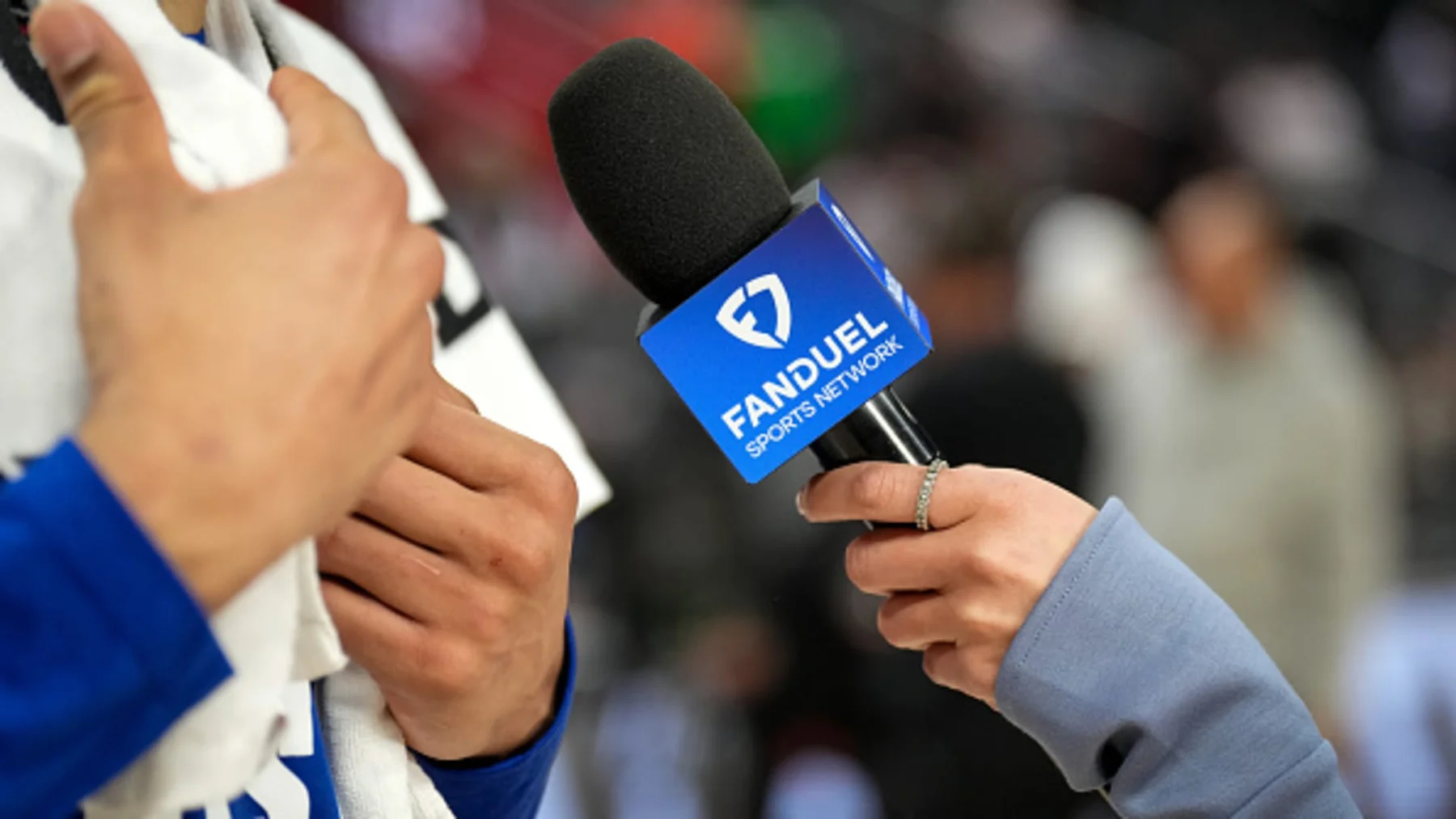
Overview of the Reported Litigation
Recent reporting published by CNBC Top News indicates that Main Street Sports has moved forward with formal legal actions against major telecommunications corporations Comcast Corporation and Charter Communications. According to the documented information obtained through media coverage, these separate lawsuits were lodged within the Delaware Superior Court system, focusing on financial discrepancies concerning contractual broadcast obligations. The enterprise behind the regional networks contends that the primary television distributors failed to remit appropriate financial compensation for the distribution of professional basketball and hockey games during the earlier operational months of the year.
The corporate entity initiating these claims has experienced a complex operational trajectory, having previously navigated restructuring proceedings before emerging under a prominent brand identity associated with professional sporting events. Despite maintaining extensive distribution across multiple local markets, the organization faced persistent financial headwinds linked to heavy leverage and shifting consumer preferences away from traditional cable bundles. Observers in the financial sector note that the transition away from legacy pay-television packages has severely impacted the revenue models that historically sustained regional broadcasting operations across various jurisdictions.
Underlying Contractual and Financial Pressures
The foundation of the reported dispute rests upon the calculation and distribution of licensing fees generated while the broadcasting channels were actively servicing regional audiences with live professional sports content. Media coverage highlights that the distribution agreements governed significant financial flows intended to support team payrolls and operational overhead for participating sports franchises. As cord-cutting trends accelerated across the broader consumer base, distributors reportedly sought to renegotiate terms to reflect diminished subscriber counts, creating friction with the network operators.
Furthermore, the economic viability of regional sports networks has deteriorated in tandem with broader structural shifts in media consumption habits. The decline of traditional television subscriptions has significantly compressed the profit margins available to content creators and local broadcasters alike. Consequently, disputes regarding underpaid fees and contractual interpretations have become increasingly prevalent throughout the media landscape, as market participants attempt to allocate diminishing revenue pools amidst ongoing digital transformations.
Corporate Evolution and Wind-Down Context
Main Street Sports originated from legacy broadcasting assets and underwent multiple ownership transitions and rebranding initiatives since the late decade period. Following a successful exit from bankruptcy protection, the organization operated numerous channels dedicated to delivering live games for major league franchises across the country. However, the heavy debt obligations accumulated over previous years ultimately constrained the company's ability to sustain operations, leading to a deliberate winding down of its network portfolio following the conclusion of the seasonal sports calendar.
The decision to wind down operations coincided with mounting financial obligations owed to major sports leagues and participating franchises, which further complicated the enterprise's ability to maintain a viable business model. The current litigation directed at Comcast and Charter represents a final effort by the defunct network's administrators to recover disputed funds that were allegedly withheld or underpaid during the active broadcasting windows. Analysts following the media sector indicate that the outcome of these legal filings could establish important precedents for resolving similar financial disputes in the distressed broadcasting industry.
Industry Implications and Distributor Dynamics
The legal actions underscore the volatile nature of distributor-network relationships in an era defined by rapid technological disruption and shifting consumer delivery mechanisms. Major pay-television providers have increasingly utilized their market leverage to adjust carriage fees and demand favorable contractual modifications to protect their own profit margins against subscriber losses. This dynamic places immense pressure on niche content providers and regional sports networks that depend heavily on guaranteed subscriber fees to cover escalating broadcasting rights costs.
As traditional cable bundles continue to shed paying households, the economic interdependencies between distributors and content creators face unprecedented strain. Legal battles over licensing agreements reflect a broader realignment of value within the entertainment and sports broadcasting sectors. Stakeholders across financial markets are closely observing these developments to gauge potential ripple effects on other media conglomerates and digital asset initiatives tied to intellectual property monetization and decentralized streaming alternatives.
Conclusion and Concrete Assessment
In conclusion, the reported litigation initiated by Main Street Sports against Comcast Corporation and Charter Communications highlights significant financial distress within the regional sports broadcasting sector. Based on media reporting that remains not officially confirmed by independent judicial or first-party validation, the affected entity Main Street Sports has allegedly pursued legal remedies for underpaid licensing fees during its operational wind-down phase. This development directly impacts the user group comprising media creditors, financial counterparties, and stakeholders reliant on accurate revenue distribution within the traditional television ecosystem.
What changes now is the heightened legal scrutiny surrounding legacy media contracts and distributor-network financial obligations, while the ultimate recovery of disputed funds remains unconfirmed pending formal court proceedings. Market participants must monitor corporate counterparty exposures closely and evaluate the shifting risk landscape of traditional media rights. The next action for investors and risk analysts is to review current portfolio holdings for indirect exposure to distressed broadcasting entities and maintain vigilant oversight of ongoing litigation updates.
Cexvia conclusion
Conclusion and Operational Assessment
The reported litigation involves claims of breached contracts and deficient fee settlements during the operational phase of the broadcasting network. This development, which remains not officially confirmed by independent judicial validation, highlights ongoing contractual pressures in the traditional pay-television ecosystem.
- Risk meaning
- Distributor disputes and structural shifts in broadcasting economics carry significant implications for financial counterparties and digital asset markets tied to media rights. As traditional distribution channels face subscriber attrition, revenue predictability across legacy sports networks diminishes considerably.
- User action
- Market participants and digital asset investors should monitor enterprise exposure to legacy media contracts and maintain heightened awareness of counterparty risks arising from traditional broadcasting litigation.
Continue reading