Artificial Intelligence Risk Intelligence
Nvidia CEO Jensen Huang Calls AI Innovation and Safety a False Choice in Reported Industry Debate
According to reporting by Crypto Briefing, Nvidia CEO Jensen Huang rejected the idea that artificial intelligence developers must choose between rapid technological expansion and safety precautions, dismissing severe extinction warnings as not officially confirmed and largely fabricated while advocating for market-driven governance.
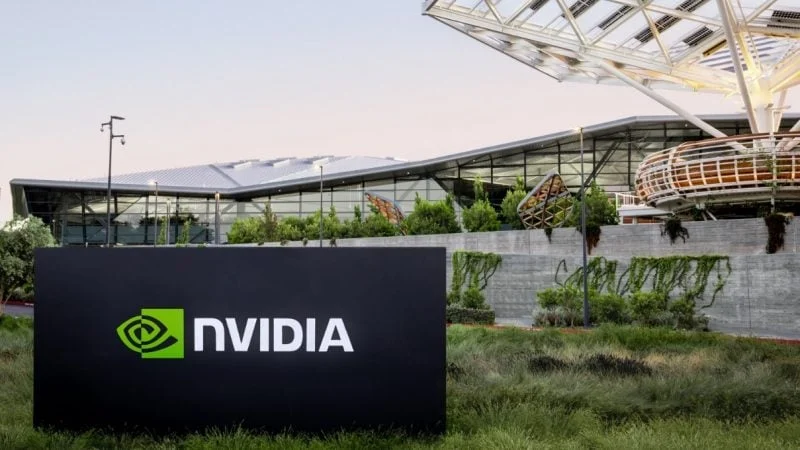
Public Disagreement Over Artificial Intelligence Governance Frameworks
Recent public commentary reported by Crypto Briefing has highlighted a growing ideological divide within the technology sector regarding how artificial intelligence development should be supervised, governed, and restrained. Nvidia Chief Executive Officer Jensen Huang publicly criticized the framing that technology companies must compromise their innovation velocity to ensure operational safety, labeling such perspectives as an incorrect framing of modern engineering challenges. During prominent industry appearances, Huang articulated his perspective that accelerating capability expansion and implementing operational pauses when genuine risks materialize are entirely compatible operational strategies.
This public posture directly counters recent analytical essays and strategic proposals published by executives at competing frontier artificial intelligence laboratories, who have argued for mandatory safety infrastructures before advanced model training begins. The reporting underscores a fundamental philosophical chasm between industry leaders who profit from massive hardware deployments and those warning of long-term existential hazards. Observers note that this ongoing dispute is actively shaping the broader political discourse surrounding technological innovation, corporate accountability, and the future necessity of federal oversight.
Market-Driven Oversight Versus Government Mandates
According to the coverage provided by Crypto Briefing, Huang advocates for relying on market incentives and independent engineering evaluations rather than imposing rigid government regulations on rapidly evolving software architectures. By drawing parallels to traditional financial auditing mechanisms, the chief executive suggested that third-party technical evaluations could successfully verify system safety without inflicting bureaucratic delays on commercial enterprises. This proposed governance model relies heavily on the assumption that commercial entities possess both the capability and the ethical incentive to self-police their proprietary deployments effectively.
However, critics of this decentralized approach argue that competitive commercial pressures inherently discourage voluntary pauses, as companies racing for market dominance might overlook subtle vulnerabilities in pursuit of higher profitability. This skepticism forms the foundation of the regulatory push championed by rival research organizations, which maintain that external legislative intervention is the only reliable method to prevent catastrophic outcomes. As these opposing philosophies clash across various public forums, the ultimate trajectory of international technology policy remains heavily contested and largely unsettled.
Commercial Subtext and Hardware Ecosystem Dependencies
The reported remarks cannot be evaluated in isolation from the commercial position of Nvidia within the broader artificial intelligence hardware supply chain, as the corporation maintains a dominant market share in specialized processing accelerators. These advanced semiconductors serve as the foundational infrastructure required to train and execute large-scale artificial intelligence models across global data center networks. Consequently, any regulatory slowdown or mandatory development pause directly impacts the volume of hardware procurement, influencing corporate revenues and long-term valuation metrics across the entire technology sector.
Industry analysts frequently emphasize that financial incentives inevitably color corporate lobbying efforts and public statements concerning regulatory oversight and safety standards. While Huang maintains that independent evaluations and commercial self-restraint are sufficient to manage operational hazards, market participants remain acutely aware that a frictionless innovation environment directly aligns with the corporate growth objectives of chip manufacturers. Consequently, parsing the sincerity of public safety debates requires careful consideration of the underlying economic models that sustain the entire computational infrastructure.
Broader Political Context and Regulatory Landscape
The ideological division regarding artificial intelligence oversight has increasingly intersected with high-level political discourse across Washington and international jurisdictions, creating a complex operating environment for global technology enterprises. Crypto Briefing noted that subsequent political commentary from external political figures has echoed skepticism toward formal safety mandates, frequently framing such concerns as secondary to the overarching economic imperative of domestic technological dominance. This alignment between corporate leadership and political rhetoric underscores the friction between proactive risk mitigation and aggressive national competition.
Jurisdictions in Brussels and other major regulatory hubs continue to draft comprehensive compliance frameworks aimed at holding advanced technology developers legally accountable for systemic failures and foreseeable harms. These regulatory initiatives frequently incorporate strict auditing requirements, mandatory risk assessments, and potential penalties for non-compliance that directly challenge the voluntary self-regulation model favored by hardware manufacturers. As international policymakers attempt to harmonize innovation incentives with consumer protection, technology firms face a fragmented patchwork of compliance expectations that could complicate cross-border deployment strategies.
Analytical Conclusion and Unconfirmed Regulatory Trajectory
In conclusion, Crypto Briefing reported that Nvidia Chief Executive Officer Jensen Huang publicly dismissed the choice between artificial intelligence innovation and safety as a false dichotomy, labeling extreme extinction risks as not officially confirmed and largely fabricated while favoring market-driven oversight. However, these reported governance preferences and executive assertions remain unconfirmed by formal legislative enactments, leaving the ultimate regulatory trajectory uncertain for affected technology developers, digital asset infrastructure providers, and market participants.
The affected entity, Nvidia, and the broader user group of technology developers must now navigate an uncertain policy environment characterized by deep divisions between self-regulation advocates and strict legislative proponents. The next required action for market participants is to conduct comprehensive internal compliance audits, evaluate potential exposure to shifting governmental mandates, and monitor upcoming legislative decisions across major global jurisdictions to ensure operational resilience.
Cexvia conclusion
Analytical Conclusion and Unconfirmed Regulatory Trajectory
Crypto Briefing reported that Jensen Huang publicly rejected regulatory mandates during public appearances, contrasting with rival industry proposals; however, these statements regarding governance frameworks and market-driven oversight remain not officially confirmed by independent regulatory bodies.
- Risk meaning
- The public divergence between major hardware providers and frontier artificial intelligence laboratories highlights a profound policy split that could influence upcoming global regulatory frameworks, technology investment allocations, and compliance standards across digital asset infrastructure providers.
- User action
- Market participants and technology developers should monitor evolving compliance obligations, evaluate hardware dependency exposure, and assess whether regulatory shifts will favor independent market audits or stringent government mandates.
Continue reading