Macroeconomic Risk
Oil Falls on Easing Concerns of Renewed Tensions as the U.S. Pivots to Economic Pressure on Iran
According to reporting by CNBC, international crude benchmarks declined following reports that the United States is favoring economic sanctions over military intervention regarding Iran, a development that is not officially confirmed across all diplomatic channels.
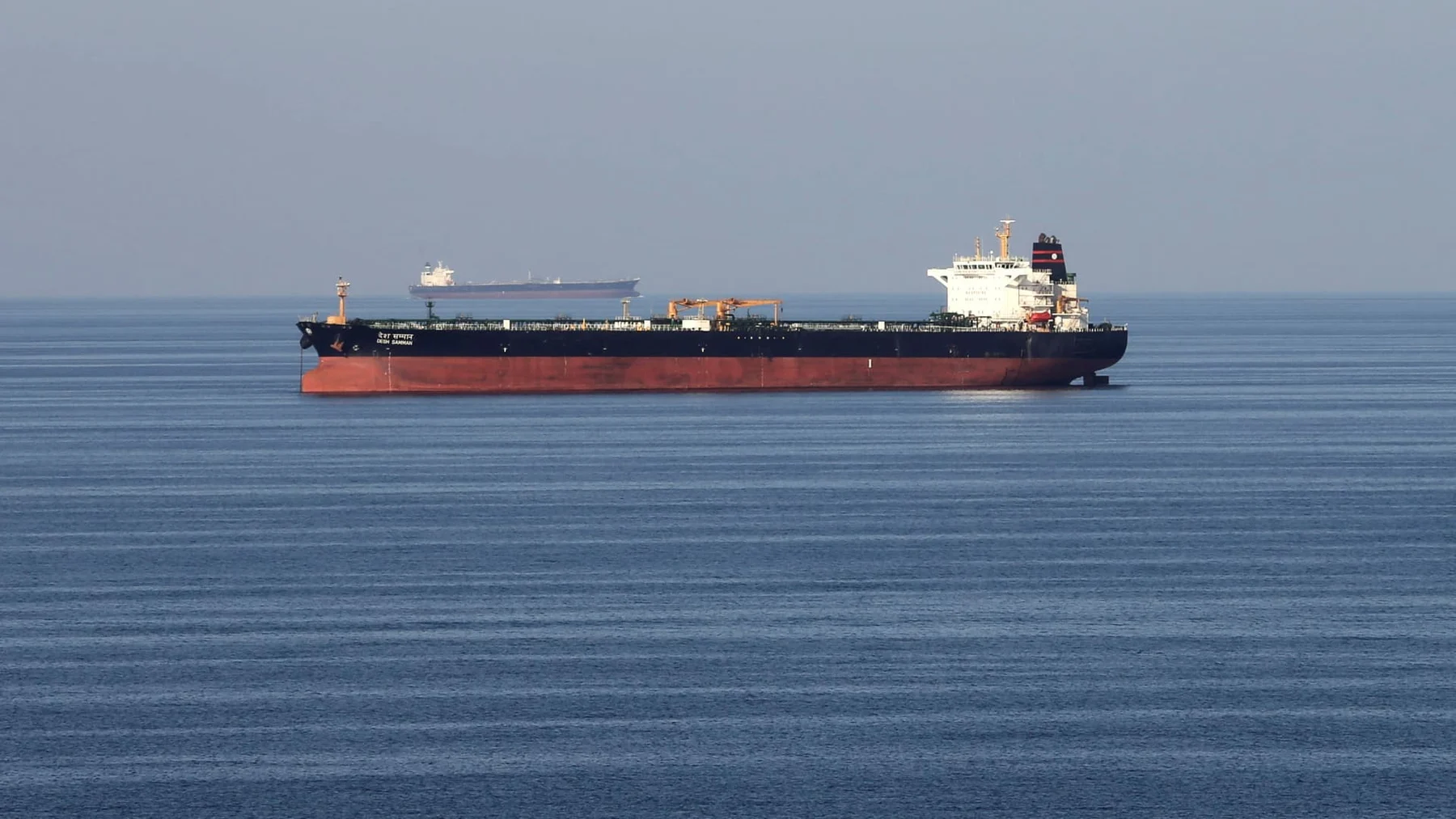
Global Energy Market Reaction to Easing Geopolitical Risk
International crude benchmarks experienced a notable downward movement during mid-week trading sessions, driven by market assessments regarding potential shifts in international diplomatic strategies in the Middle East. According to coverage published by CNBC, international benchmark Brent crude futures for October delivery declined by 2.52 percent to settle at $86.35 per barrel, while U.S. West Texas Intermediate futures for October dropped by 2.17 percent to reach $80.56 per barrel. Market commentators observed that these pricing adjustments reflected a recalibration of risk premiums associated with critical global energy supply corridors and maritime transport routes.
Financial analysts interviewed by the publication highlighted that market participants quickly re-evaluated their exposure after observing a perceived preference for economic sanctions over direct military engagement. This policy adjustment, as reported by CNBC, contributed to a general easing of apprehension across commodity markets, allowing government bond yields to moderate from recent elevated levels. Observers emphasized that while energy prices receded, the underlying diplomatic situation remains fluid and subject to rapid sentiment shifts that could influence broader financial instruments.
Diplomatic Channels and Regional Shipping Discussions
In parallel with movements in commodity pricing, regional diplomatic efforts continued to address maritime security concerns in vital transit chokepoints. According to reporting by CNBC, officials from Oman and Iran have engaged in discussions concerning the establishment of a joint temporary shipping route in the Strait of Hormuz as a preliminary step toward a permanent governance arrangement for the waterway. Statements attributed to regional ministers indicated that future administrative frameworks for the strait are intended to foster stability and maintain freedom of navigation for international commercial vessels.
Furthermore, reports from the region highlighted that secondary diplomatic actors, including representatives from Pakistan, have reported constructive progress in talks aimed at de-escalating regional friction. Industry observers noted that any formalization of joint maritime administration could significantly reduce freight insurance costs and mitigate supply chain disruptions. However, market participants remain cautious, as these diplomatic initiatives are currently developing and require continuous verification through official governmental announcements and maritime authorities.
Analyst Perspectives on Sanctions Severity and Market Positioning
Market strategists evaluated the scope and execution of the reported U.S. measures, noting that their practical impact fell below initial worst-case projections held by commodity traders. Dan Coatsworth, head of markets at AJ Bell, was cited by CNBC as stating that the sanctions implemented against Iran were notably less severe than anticipated, which assisted financial markets in regaining stability. This sentiment was echoed by other market professionals who pointed out that the avoidance of immediate military escalation removed a primary tail-risk scenario for international crude supply.
Additional commentary provided by executive leadership in the financial sector suggested that while economic pressure remains the primary instrument of statecraft, the broader geopolitical landscape retains multiple points of friction. Paolo Broccardo, chief executive officer at BankPro, noted in coverage by CNBC that the strategic pivot away from kinetic intervention successfully diminished perceived threats to Gulf supply chains, even though alternative intervention methods were explicitly not ruled out by policymakers. Consequently, portfolio managers adjusted their asset allocations to account for a lower probability of near-term physical supply shocks.
Implications for Digital Asset Derivatives and Risk Management
Although macroeconomic reports concerning energy markets and Middle Eastern geopolitics originate in traditional financial news, their secondary transmission effects frequently influence digital asset liquidity and cryptocurrency exchange operations. Sudden fluctuations in crude oil pricing often serve as leading indicators for broader risk-on or risk-off sentiment across global capital markets, directly impacting leveraged positions on centralized crypto derivatives platforms. Excessive volatility in macroeconomic factors can cause unexpected liquidations among retail and institutional traders who utilize high leverage on digital asset trading venues.
Cryptocurrency exchanges and market-making entities must constantly evaluate cross-asset correlations, particularly during periods of heightened geopolitical sensitivity. When traditional commodities experience sharp corrections driven by policy shifts, digital asset markets can exhibit correlated or decoupled behavior depending on prevailing liquidity conditions. Exchange risk management teams utilize these reported market intelligence updates to adjust margin requirements, collateral valuation models, and automated liquidation parameters to protect platform solvency and user funds against cascading market liquidations.
Conclusion, Unconfirmed Status, and User Action Plan
In conclusion, this risk intelligence report finds that global energy markets experienced downward price corrections following media reports regarding a U.S. strategic pivot toward economic sanctions on Iran. This development affects all active crypto-exchange users, derivatives traders, and institutional market participants who maintain leveraged positions sensitive to macroeconomic and geopolitical volatility. However, it is important to emphasize that the reported policy shift and diplomatic discussions remain not officially confirmed by primary government authorities. The reported facts indicate price declines in crude benchmarks and ongoing regional talks, whereas the long-term effectiveness and formalization of these measures remain unverified by official sources.
As the immediate next action, platform users and market participants should review their portfolio risk exposure, avoid excessive leverage during periods of headline-driven volatility, and closely monitor official diplomatic and regulatory announcements. Cryptocurrency exchanges should continue to evaluate margin parameters in light of broader macroeconomic shifts while ensuring that communication channels provide transparent updates regarding market risk conditions. All traders are advised to exercise caution and base their operational decisions on verified primary source confirmations rather than speculative media reporting alone.
Cexvia conclusion
Analytical Conclusion and Operational Recommendations
CNBC reported that global energy markets experienced downward price pressure as participants assessed a perceived shift in U.S. foreign policy toward economic measures against Iran, though these strategic adjustments remain not officially confirmed by Washington authorities.
- Risk meaning
- Shifts in geopolitical tensions and commodity prices can trigger sudden volatility across digital asset derivatives, impacting leveraged trading positions and collateral valuations on major crypto exchanges.
- User action
- Cryptocurrency market participants and platform users should monitor broader macroeconomic developments, maintain conservative leverage margins, and review risk management settings on derivatives accounts.
Continue reading