Financial markets
Oil Prices Decline as Markets Await New U.S. Sanctions Against Iran
According to CNBC Top News, global oil benchmarks fell on Monday as investors awaited the unveiling of what Washington has characterized as its toughest sanctions campaign against Iran, though these reports remain not officially confirmed by independent direct regulators.
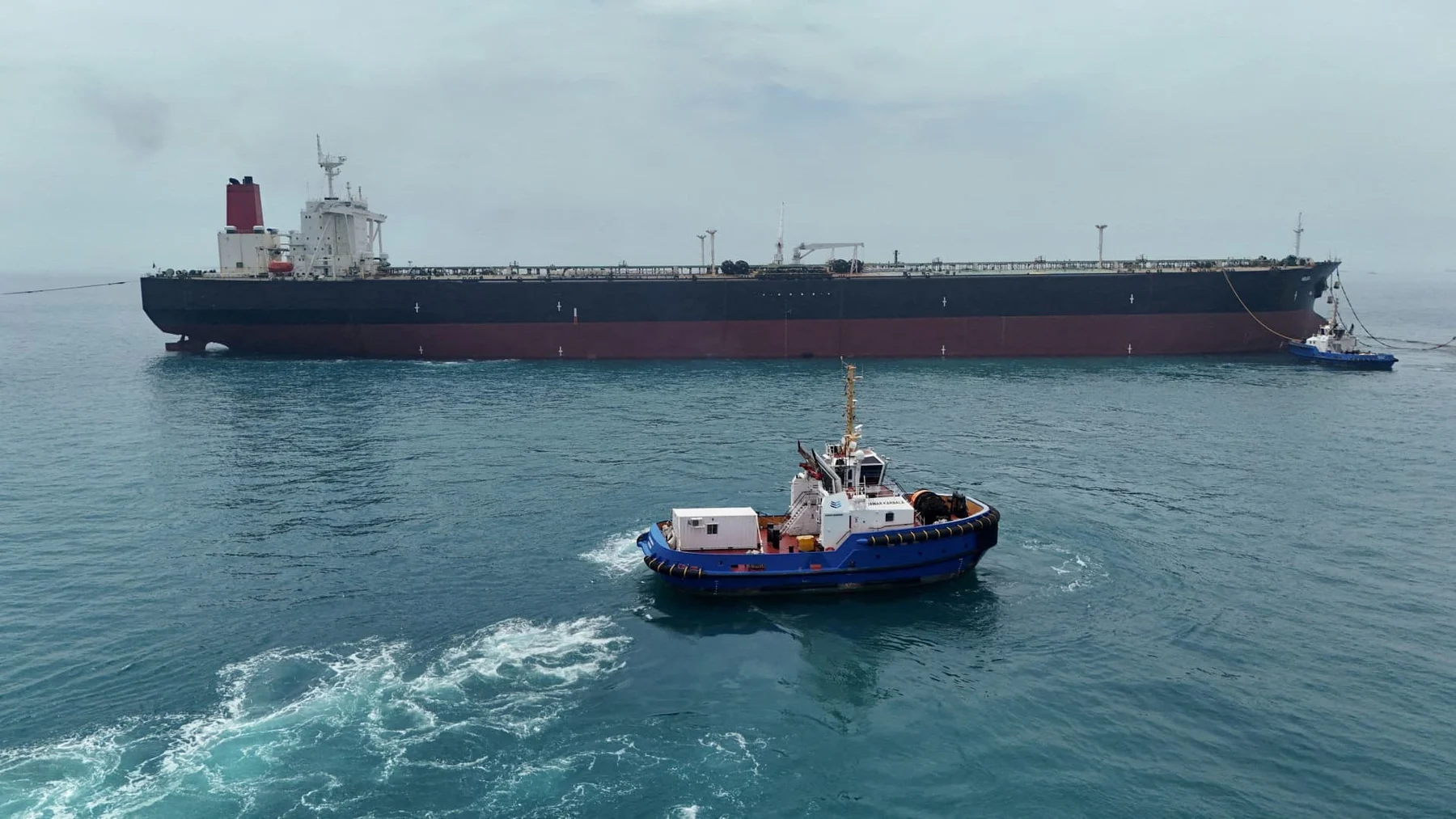
Market Movements and Benchmark Revisions
Global crude oil benchmarks experienced downward pressure at the start of the trading week, reflecting heightened nervousness among institutional participants and retail investors alike. According to reporting published by CNBC Top News, West Texas Intermediate futures decreased notably, while international benchmark Brent crude also registered substantial losses during the session. These movements occurred as trading desks braced for potential supply chain disruptions and evaluated how energy flows through vital maritime chokepoints might be impacted by impending diplomatic friction and restrictive government decrees.
Market analysts interviewed within the broader financial ecosystem noted that pricing volatility is likely to persist throughout the upcoming quarters as participants attempt to forecast the efficacy of Washington's foreign policy maneuvers. While certain financial institutions suggest that a partial restoration of maritime throughput could temper upward price pressures, others warn that sustained geopolitical friction will maintain a high risk premium across petroleum and related derivatives markets. Consequently, trading platforms and interconnected financial networks are currently assessing the broader macroeconomic spillover effects that could influence broader digital asset liquidity and risk sentiment.
Official Statements and Anticipated Policy Scope
Public commentary from senior government officials highlighted an intensification of economic pressure strategies directed at key Middle Eastern jurisdictions. Based on information disseminated by CNBC Top News, U.S. Treasury Secretary Scott Bessent indicated via public communications that Washington was preparing an extensive financial package designed to significantly curtail regional commerce. Executive branch representatives emphasized that the overarching objective of these measures is to severely restrict government revenues and compel a fundamental shift in regional diplomatic posture through comprehensive financial isolation.
Despite the severity of the rhetoric emanating from Western capitals, independent observers have noted that the practical implementation timelines and enforcement mechanisms remain subject to considerable interpretation. Financial compliance experts point out that secondary penalties targeting third-party nations engaging in commercial exchanges present complex jurisdictional challenges. As financial institutions evaluate the potential fallout, risk management divisions across global banking networks are scrutinizing transaction monitoring systems to prevent inadvertent exposure to newly sanctioned entities or prohibited trade corridors.
Geopolitical Pushback and Regional Response
In response to the announced financial maneuvers, authorities within the targeted jurisdiction strongly rejected the legitimacy of the external pressure. According to media reports covered by CNBC Top News, leadership elements within Tehran asserted that state mechanisms possess adequate resilience to counteract the adverse effects of foreign economic hostility. State-affiliated commentary emphasized that alternative commercial channels and bilateral partnerships continue to provide sufficient economic sustenance to mitigate the impact of comprehensive trade restrictions.
The ongoing war of words between Washington and Tehran has created a challenging operational environment for multinational corporations operating in adjacent regions. Shipping operators, energy conglomerates, and trade financiers are actively recalibrating their logistical routes and insurance arrangements to mitigate potential disruptions. Independent risk intelligence providers advise commercial entities to maintain heightened vigilance regarding sudden policy shifts, particularly given the fluid nature of international sanctions enforcement and maritime security protocols in vital transit corridors.
Macroeconomic Forecasts and Volatility Drivers
Financial institutions, including major banking entities such as the Commonwealth Bank of Australia, have issued extensive notes examining the trajectory of energy markets for the remainder of the year. According to CNBC Top News, these banking forecasts indicate that crude oil valuations will likely experience sustained volatility as market participants weigh the effectiveness of Western isolation strategies against the adaptive capacity of Middle Eastern producers. Analysts suggest that if international enforcement measures successfully suppress export volumes, prices will remain anchored toward the upper bound of established trading ranges.
Conversely, any unexpected normalization of maritime traffic through critical chokepoints could rapidly induce downward pricing corrections across global commodity exchanges. Financial commentators emphasize that even a modest recovery in regional shipping throughput could alleviate immediate supply scarcity fears and restore market expectations of an oversupplied global inventory. Consequently, institutional investors managing multi-asset portfolios are closely monitoring these macroeconomic indicators to hedge against sudden swings in energy costs and associated inflationary pressures.
Report Summary and Final Assessment
In conclusion, media reporting from CNBC Top News highlights that global oil prices declined as markets prepared for what Washington described as its most severe economic sanctions campaign against Iran. These developments, which remain not officially confirmed by direct regulatory authorities, underscore the persistent vulnerability of energy markets to geopolitical shocks. The affected entities include multinational energy corporations, regional trade participants, and global financial institutions navigating complex compliance environments. Users across financial and digital asset ecosystems must remain vigilant regarding potential secondary sanctions and macroeconomic volatility.
The primary change now facing market participants is the heightened requirement for rigorous compliance screening and enhanced liquidity management amidst shifting geopolitical risks. As a next action, traders and platform operators should independently verify all regulatory announcements, audit their cross-border exposure to commodity-linked stablecoins or settlement channels, and avoid speculative positioning driven by unverified media reports. The assessment distinguishes established market price movements from unconfirmed political claims, maintaining an objective risk stance without altering current institutional scoring metrics.
Cexvia conclusion
Report Summary and Operational Outlook
CNBC Top News reported that U.S. Treasury Secretary Scott Bessent planned to introduce a sweeping restrictive financial package targeting Iran, while official responses from Tehran dismissed the anticipated economic pressure, and these developments remain not officially confirmed by direct international bodies.
- Risk meaning
- Escalating geopolitical restrictions across global energy sectors can trigger secondary compliance complications for digital asset markets, particularly for tokens or platforms exposed to commodity-linked stablecoins or cross-border settlement channels.
- User action
- Market participants and crypto traders should monitor macro commodity volatility, review cross-border transaction compliance measures, and avoid speculative positioning linked to unverified geopolitical announcements.
Continue reading