Financial Markets
Paramount Merger Delay Leaves Warner Bros. Discovery in Regulatory Limbo
According to CNBC Top News reporting, the planned acquisition of Warner Bros. Discovery by Paramount Skydance faces a significant delay due to an antitrust lawsuit filed by a coalition of states led by California Attorney General Rob Bonta. This development leaves Warner Bros. Discovery in operational uncertainty while broader media industry dynamics continue to shift rapidly. These factual circumstances, including potential asset divestitures and preliminary settlement breakdowns, remain not officially confirmed by direct first-party regulatory filings or formal corporate statements.
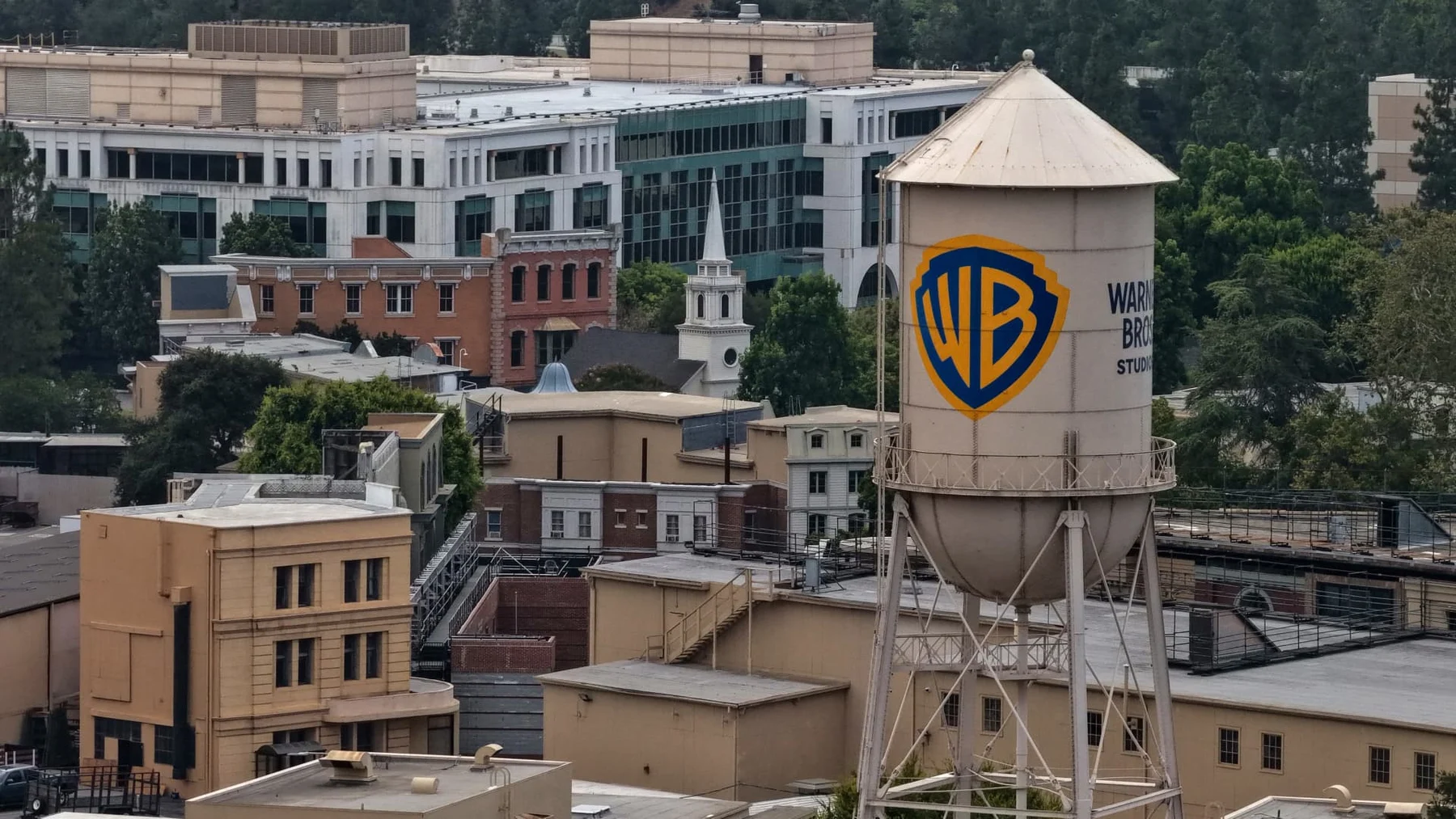
Antitrust Challenges and Merger Stagnation
The proposed corporate combination between Paramount Skydance and Warner Bros. Discovery has encountered a formidable legal barrier following an antitrust lawsuit initiated by a coalition of state attorneys general led by California Attorney General Rob Bonta. According to recent media reporting from CNBC Top News, this regulatory intervention has effectively halted the momentum of the multi-billion-dollar transaction, creating an environment of profound strategic uncertainty for the targeted media conglomerate. The legal challenge focuses heavily on potential anticompetitive impacts within key entertainment markets, particularly concerning pay television networks and prominent film studio assets. Consequently, executive leadership teams at both corporations have been forced to navigate complex legal maneuvers while evaluating whether preliminary settlement discussions can be revived following recent reported friction.
This unexpected legal roadblock arrives at a critical juncture for the broader entertainment industry, forcing Warner Bros. Discovery into a posture of extreme corporate caution after a previous period characterized by aggressive restructuring initiatives. Prior to the current merger delay, executive leadership had publicly discussed various corporate division strategies and aggressive expansion targets for the HBO Max streaming platform across multiple international territories. However, the indefinite timeline of the pending acquisition has effectively suspended those transformative maneuvers, leaving management with constrained strategic alternatives. Industry analysts interviewed by media outlets suggest that walking away from the transaction entirely would present severe financial and operational disadvantages for the target company, thereby locking both parties into a prolonged waiting pattern pending further judicial developments.
Operational Flexibility Under Interim Covenants
Despite the formidable regulatory overhang and the suspension of definitive merger milestones, Warner Bros. Discovery retains specific operational flexibilities derived from interim operating covenants embedded within the initial transaction agreement. According to reporting from CNBC, these contractual provisions explicitly permit the management team to conduct business in the normal course while the formal acquisition process moves forward through regulatory review. This legal cushion was carefully negotiated by executives during the preliminary sale process, ensuring that the enterprise could maintain functional continuity even if the closing timeline extended beyond the standard twelve-month projection. While major corporate mergers and acquisitions remain strictly prohibited under these interim terms, the enterprise retains the legal capacity to execute targeted commercial partnerships and content licensing agreements with external media peers.
Content creators and television production units operating within the conglomerate have continued pitching new projects and creative concepts, signaling that day-to-day studio activities remain largely active despite the corporate uncertainty. Furthermore, the company continues to leverage its lucrative content library by licensing premier television series and cinematic titles to alternative digital platforms and free ad-supported streaming networks, generating steady revenue streams during the interim period. Financial executives have highlighted sustained market demand for these catalog assets, which helps offset slowing growth rates in direct-to-consumer subscriber expansions. Nonetheless, industry observers note that these short-term agreements cannot fully substitute for long-term strategic clarity, and management remains legally restricted from initiating fundamental structural overhauls until the regulatory hurdles are definitively resolved.
Streaming Market Dynamics and Competitive Pressures
The broader digital streaming landscape continues to evolve at a rapid pace, presenting distinct challenges and strategic imperatives for Warner Bros. Discovery as its flagship HBO Max platform awaits a definitive ownership resolution. Recent earnings disclosures demonstrated robust revenue growth within the digital streaming segment, driven largely by successful international market expansion initiatives. However, internal projections indicate that this geographic expansion phase is largely reaching its maturity, suggesting that future subscriber acquisition velocities will naturally moderate across established territories. Executives have emphasized that subsequent growth must rely on ad-supported subscription tiers and incremental market penetrations, making efficient operational scaling an urgent priority for sustained profitability within the digital division.
Simultaneously, competing media conglomerates are actively forging innovative platform bundles, cross-service integrations, and distribution partnerships that threaten to outpace subscale standalone streaming services. Industry experts interviewed by CNBC noted that if the transaction with Paramount Skydance ultimately fails, both streaming platforms would find themselves operating independently within an increasingly consolidated marketplace dominated by mega-cap technology and entertainment giants. Paramount leadership has previously stated an intention to merge Paramount+ and HBO Max into a unified streaming ecosystem upon closing, a strategic vision that remains suspended in limbo. Consequently, the ongoing uncertainty risks leaving Warner Bros. Discovery on the sidelines while agile competitors establish permanent distribution advantages and consumer mindshare across the evolving digital entertainment ecosystem.
Potential Asset Divestitures and Structural Remedies
As the legal battle surrounding the proposed merger intensifies, financial markets and institutional analysts have increasingly focused on potential structural remedies that could facilitate a regulatory settlement. California Attorney General Rob Bonta noted in recent public statements that resolving the state-led antitrust challenge would necessitate robust structural remedies, specifically targeting perceived concentrations within pay television networks and film studio operations. Investment bankers and corporate insiders have begun evaluating which specific subsidiaries within the Warner Bros. Discovery portfolio could realistically be carved out to satisfy antitrust regulators without completely destroying the underlying economic value of the overarching transaction agreement.
Media reports from CNBC indicate that prominent production subsidiaries, such as the nearly sixty-year-old New Line Cinema, could attract significant bidding interest from alternative industry buyers if designated for divestiture. Similarly, certain legacy pay television assets, including prominent Turner cable channels like TNT and TBS alongside various lifestyle programming networks, are viewed by financial analysts as attractive acquisition targets for prospective buyers seeking established broadcast footprints. However, the introduction of these hypothetical asset sales creates additional internal friction and strategic complexity, as management attempts to balance transaction preservation against the risk of dismantling core business units in response to unconfirmed regulatory demands.
Strategic Outlook and Factual Status Summary
The current trajectory of Warner Bros. Discovery remains intrinsically tied to the judicial outcomes of the state-led antitrust litigation and the willingness of Paramount Skydance to navigate complex regulatory remedies. While financial terms of the proposed acquisition include potential ticking fees designed to elevate total compensation in the event of extended closing delays, the psychological and operational toll on the organization continues to mount. Institutional shareholders and commercial partners must carefully parse incoming developments while recognizing that significant aspects of the reported corporate restructuring and settlement negotiations remain unconfirmed by direct official statements from the involved entities.
In conclusion, our intelligence finding determines that Warner Bros. Discovery and its stakeholder user groups face an extended period of operational limbo driven by reported regulatory challenges. The affected entity, Warner Bros. Discovery, along with its extensive portfolio of media and streaming assets, must navigate strict interim covenants while awaiting judicial clarity. Changes now require heightened counterparty risk assessment and cautious commercial planning, as market participants monitor potential asset divestitures. The next mandatory action for stakeholders is to track ongoing court proceedings and official corporate disclosures closely, keeping in mind that merger delays and structural remedies remain not officially confirmed by definitive first-party announcements.
Cexvia conclusion
Regulatory Impasse Forces Strategic Caution Upon Media Conglomerate
Our comprehensive intelligence review indicates that Warner Bros. Discovery faces severe operational constraints and strategic limbo following the stalling of the Paramount Skydance transaction. Media reporting highlights that interim covenants permit normal business operations, yet broader merger and acquisition options remain restricted under the pending agreement terms. These assertions, along with discussions regarding potential structural remedies and asset sales, are reported by media sources but remain not officially confirmed by judicial or corporate authorities.
- Risk meaning
- The prolonged regulatory challenge and associated merger delay introduce substantial operational friction for Warner Bros. Discovery, affecting its ability to engage in strategic partnerships or aggressive market expansion. Competitors in the streaming and digital entertainment sectors may leverage this window of vulnerability to secure advantageous bundling arrangements, thereby challenging the standalone market positioning of HBO Max and related properties.
- User action
- Market participants, commercial partners, and institutional stakeholders should closely monitor upcoming court filings related to the antitrust litigation and any formal statements from Paramount Skydance or Warner Bros. Discovery. Stakeholders must evaluate counterparty risk in ongoing licensing arrangements and maintain contingency plans in the event that the transaction terms are modified or the merger agreement is ultimately terminated.
Continue reading