Macro Risk Intelligence
Russia Warns of Response to NATO Nuclear Expansion in Europe
Crypto Briefing reported that senior Russian leadership warned of military-technical countermeasures following NATO nuclear deployments in Europe, a development that is not officially confirmed by direct state declarations.
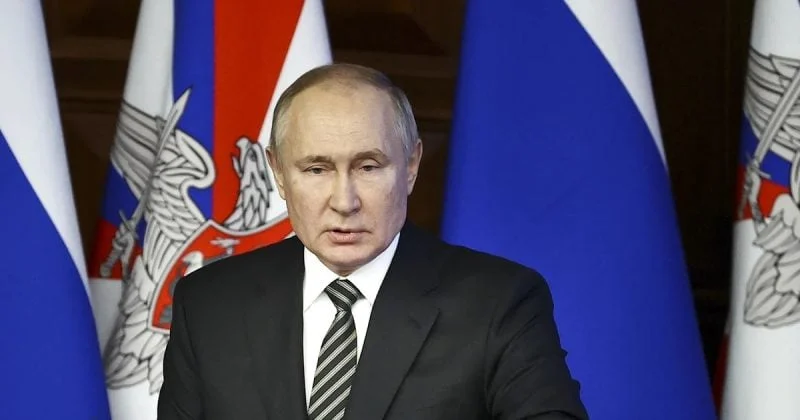
Geopolitical Background and Reporting Overview
According to reporting published by Crypto Briefing, diplomatic and military friction between the Russian Federation and the North Atlantic Treaty Organization has intensified significantly following discussions regarding nuclear force deployments in Europe. The publication highlighted statements attributed to Russian officials warning of potential military-technical measures in response to these perceived security pressures. Such reporting underscores the fragile nature of international diplomatic channels, especially following the expiration of major strategic arms control agreements. Market participants monitoring macroeconomic indicators must evaluate how such friction could propagate through global financial networks, potentially spilling over into digital asset liquidity pools.
While mainstream media outlets have covered broad aspects of regional security disputes, the specific operational threats referenced in recent crypto-focused analyses remain subjects of ongoing debate among intelligence observers. Independent researchers emphasize that diplomatic posturing often serves domestic political objectives as much as it signals imminent tactical shifts. Consequently, exchange operators and market makers treat these reports as unverified risk factors rather than confirmed catalysts for immediate physical conflict. The lack of direct confirmation from primary governmental sources necessitates a cautious analytical approach when assessing potential systemic disruptions.
Prediction Market Dynamics and Pricing Sentiment
Prediction markets analyzed by Crypto Briefing have incorporated these escalating geopolitical tensions into their probability models, reflecting a measurable sense of caution among speculators. Specifically, contracts tracking the likelihood of a direct military clash between NATO and Russian forces before the end of the year registered substantial trading volumes. This quantitative shift demonstrates that decentralized betting platforms increasingly treat macroeconomic friction as an active variable capable of swaying financial sentiment across borders. Observers note that while these probabilistic figures do not constitute empirical forecasts, they serve as a barometer for aggregate market anxiety.
The integration of real-time prediction data into risk intelligence feeds highlights how contemporary traders consume geopolitical news. Rather than relying solely on traditional wire services, participants monitor crowdsourced probabilities to gauge tail-risk exposure in crypto derivatives. However, analysts warn against over-interpreting short-term fluctuations in these betting pools, as speculative manipulation or low liquidity can distort true consensus. Consequently, risk management desks maintain internal validation protocols to filter out noise before adjusting cross-margin limits or collateral requirements for digital assets.
Implications for Digital Asset Exchanges
Centralized and decentralized digital asset exchanges operate within a globally interconnected financial ecosystem where geopolitical tail events can trigger sudden liquidity crunches. When media agencies publish reports detailing nuclear escalation threats, automated trading algorithms frequently react by reducing risk exposure, leading to increased bid-ask spreads across major token pairs. Exchange risk management teams must monitor these external shocks to ensure that collateral cushions remain adequate against sudden market drawdowns. The transmission of geopolitical anxiety from traditional defense sectors into crypto order books highlights the vulnerability of digital asset trading venues to macroeconomic news flows.
Furthermore, regulatory compliance divisions within major exchanges evaluate whether escalating international conflicts could precipitate new sanctions regimes or cross-border payment restrictions. As geopolitical alignment shifts, compliance frameworks must adapt rapidly to screen transactions originating from jurisdictions impacted by heightened tensions or defense countermeasures. Failure to maintain rigorous surveillance during periods of macro stress can expose platforms to severe regulatory penalties. Consequently, operational resilience relies on proactive intelligence gathering and dynamic risk scoring models that account for unverified yet influential media reports.
Methodological Challenges in Verifying Defense Claims
Assessing the validity of reports concerning nuclear posture adjustments requires rigorous cross-referencing against verified primary documents and official diplomatic channels. Independent risk intelligence analysts emphasize that secondary reporting often amplifies inflammatory rhetoric without providing verified operational confirmation from defense ministries. Within the cryptocurrency ecosystem, where information travels rapidly through social media and news aggregators, distinguishing between calculated political signaling and genuine military escalation is crucial for accurate risk pricing. Exchange operators must implement strict verification standards to prevent panic-driven capital flight triggered by unverified news items.
Furthermore, the absence of transparency from key governmental stakeholders complicates the task of building reliable risk models for digital asset portfolios. When major media outlets publish unconfirmed allegations of military countermeasures, automated market makers and algorithmic trading desks frequently overreact, causing artificial price dislocations. Institutional participants are therefore advised to rely on multi-source intelligence gathering rather than single-publisher bulletins. Establishing a robust analytical framework ensures that trading platforms can maintain operational stability even during periods of intense international friction and heightened geopolitical volatility.
Concrete Findings and Tactical Risk Outlook
Crypto Briefing reported that Russian leadership warned of military-technical countermeasures following NATO nuclear deployments in Europe, though these assertions remain not officially confirmed by independent defense authorities. The affected entity is Crypto Briefing, and the primary user group consists of cryptocurrency traders, risk managers, and exchange operators exposed to macroeconomic volatility. What changes now is that market participants must factor unverified geopolitical claims into their collateral and leverage assessments. The next action for traders is to reduce excessive derivative exposure and closely monitor multi-source intelligence feeds to avoid reacting prematurely to speculative media reports.
While the media coverage highlights genuine structural anxieties surrounding European security and arms control agreements, traders must separate verified diplomatic statements from unconfirmed tactical threats. The reported probability of direct military conflict within prediction markets underscores the need for continuous portfolio hedging without succumbing to panic. Moving forward, risk intelligence frameworks must adapt to the rapid spread of macro narratives across digital asset venues. All stakeholders are advised to maintain stringent risk controls and verify critical headlines through official channels before altering major trading positions.
Cexvia conclusion
Concrete Risk Findings and Tactical Outlook
Crypto Briefing published claims regarding potential military escalations between Russia and NATO, though these assertions remain not officially confirmed by independent defense ministries.
- Risk meaning
- Macroeconomic instability driven by geopolitical friction increases systemic volatility across digital asset venues.
- User action
- Traders should monitor predictive markets and reduce leverage during periods of elevated geopolitical uncertainty.
Continue reading