Financial Markets
Sanders Proposes Bill to Stop Social Security Benefit Garnishment for Unpaid Student Loans
According to reporting by CNBC Top News, Senator Bernie Sanders has announced a legislative proposal intended to stop federal student loan debt collectors from seizing Social Security payments from older borrowers. This development is not officially confirmed by legislative voting records or formal enactment procedures yet.
Legislative Overview and Background
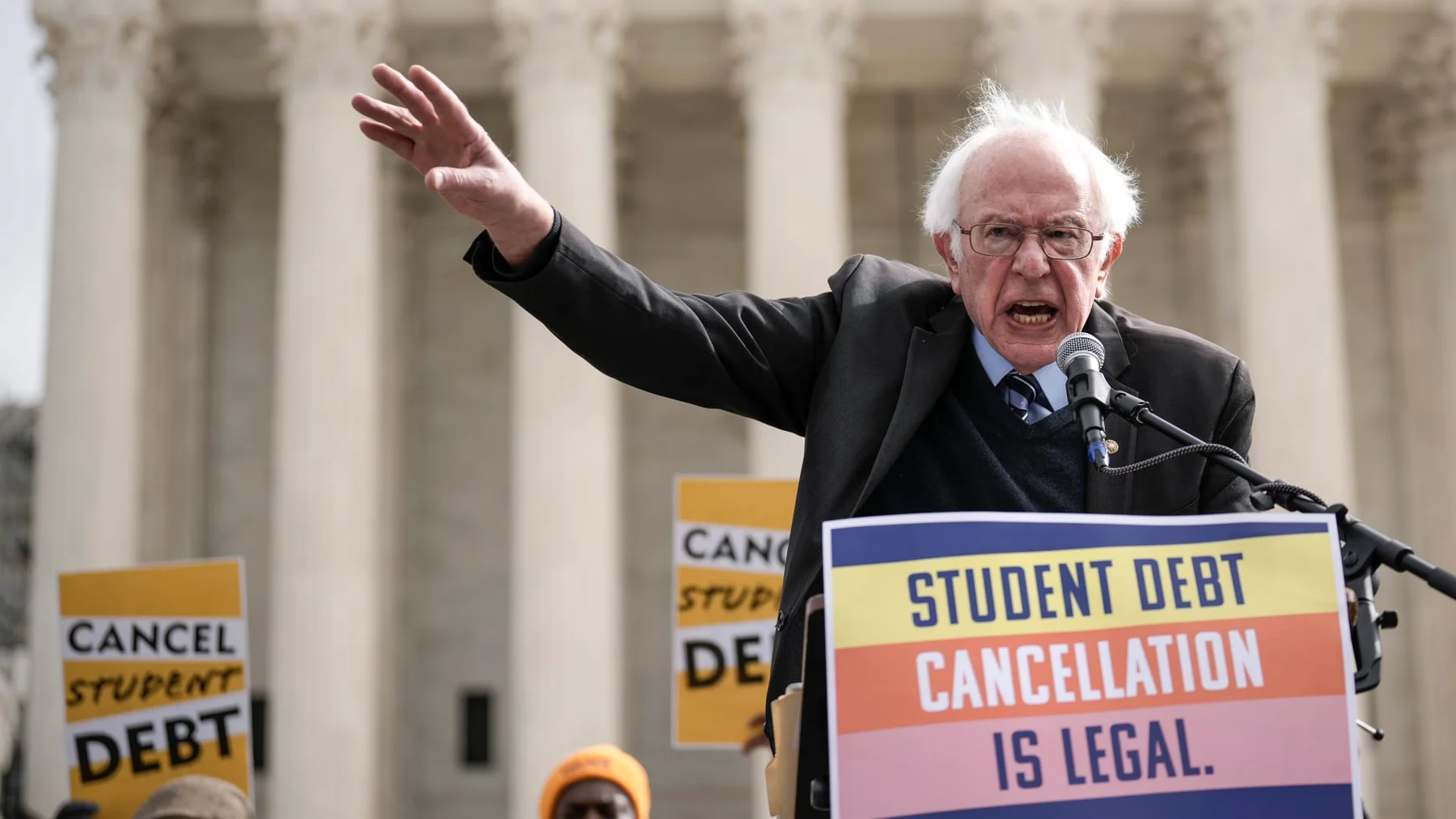
According to reporting published by CNBC Top News, Senator Bernie Sanders announced a new legislative initiative aimed at protecting vulnerable federal student loan borrowers from administrative benefit seizures. The proposed measure specifically targets the practice of withholding funds from monthly Social Security checks to satisfy outstanding educational debt obligations. Media coverage indicates that the upcoming legislation, designated as the Stop Social Security Garnishment Act, is scheduled for formal introduction when the United States Senate reconvenes for its regular legislative session next month.
The reporting highlights that this initiative has also secured backing from prominent congressional colleagues, reflecting broader progressive focus on consumer protection and elder financial security. Outlets covering the announcement noted that millions of Americans currently maintain federal student loan debt in default status, creating severe financial vulnerability across aging demographics. While the administration has previously implemented temporary pauses on various involuntary collection activities, proponents of the bill argue that permanent statutory protections remain necessary to prevent future administrative garnishments.
Scope of Affected Borrowers and Default Metrics
Data cited within the CNBC Top News coverage underscores the substantial scale of the demographic dealing with federal student loan burdens later in life. Analysis of federal records indicates that a significant population of older adults aged fifty and above maintains considerable outstanding balances originating from educational financing. Furthermore, millions of total borrowers across the broader national economy remain classified in default, leaving substantial segments of the population exposed to potential administrative collection mechanisms if current pauses expire or administrative priorities shift.
Observers note that older borrowers frequently encounter unique economic pressures, balancing fixed retirement incomes against escalating expenses for essential needs such as healthcare, prescription drugs, housing, and groceries. When federal collection agencies pursue involuntary recovery through benefit withholding, seniors often experience severe liquidity constraints that compromise their ability to maintain basic standards of living. The reported legislative push attempts to address this specific intersection of aging demographics and consumer credit liabilities by carving out a statutory exemption for retirement and disability entitlements.
Existing Collection Policies and Administrative Shifts
The reported legislative proposal emerges amid a complex backdrop of evolving federal collection policies and shifting administrative directives concerning student loan debt. Previous reports noted that the federal government previously instituted pauses on involuntary collections following earlier emergency policies designed to assist financially distressed borrowers. Subsequent updates from the Department of Education indicated intentions to delay wage garnishments and related enforcement actions while implementing new structured repayment options authorized under broader legislative reforms.
Although these administrative delays have offered temporary relief for individuals navigating loan default rehabilitation, critics and lawmakers emphasize that discretionary pauses lack the permanent security of statutory law. Because executive branch policies can be modified or reversed by subsequent administrations, proponents of the Sanders bill argue that legislative intervention is imperative to provide lasting certainty. The current environment therefore presents a fluid regulatory landscape where borrowers must continuously monitor updates from both executive agencies and congressional committees.
Market Implications and Analytical Perspectives
Financial market analysts observing consumer credit trends indicate that legislative debates surrounding student loan policies carry broad implications for household financial stability. While direct impacts center primarily on government-backed debt servicing and entitlement distribution, indirect repercussions extend to broader consumer spending patterns and retail credit performance. As policymakers debate the boundaries of federal collection authority, financial institutions and consumer advocacy groups evaluate how potential statutory changes might influence overall delinquency and default recovery rates.
Furthermore, the public discourse surrounding the protection of Social Security benefits highlights the ongoing policy tension between federal debt recovery and social safety net preservation. Observers following macroeconomic indicators note that any permanent curtailment of collection powers could alter the long-term cash flow projections associated with federal loan portfolios. Consequently, stakeholders across the financial and advisory sectors continue to monitor the progression of the reported bill as an indicator of future regulatory posture toward consumer debt enforcement.
Conclusion and Operational Outlook
In conclusion, the reporting by CNBC Top News regarding Senator Bernie Sanders' proposed Stop Social Security Garnishment Act highlights ongoing legislative efforts to shield older federal student loan borrowers from administrative benefit seizures. This development remains not officially confirmed through formal enactment or congressional voting records, as the measure is scheduled for formal introduction in upcoming legislative sessions. The affected entity is the United States federal student loan servicing system, and the primary user group consists of older borrowers and seniors currently managing educational debt in default status. What changes now is that market observers and financial advisors must account for heightened legislative scrutiny surrounding involuntary collection practices, even as administrative pauses remain active.
The next action for affected individuals and industry participants is to closely monitor official announcements from the Department of Education and congressional updates while maintaining awareness of their current repayment and rehabilitation options. It is crucial to separate media reports of proposed legislation from established statutory law, ensuring that all financial planning decisions rely on verified regulatory facts rather than unconfirmed policy projections. Stakeholders should consult qualified professionals before altering their long-term debt management strategies in response to these reported developments.
Cexvia conclusion
Conclusion and Operational Outlook
CNBC Top News reported that Senator Bernie Sanders announced a new legislative measure called the Stop Social Security Garnishment Act, supported by fellow lawmakers. The core finding is that older federal student loan borrowers face ongoing structural financial risks regarding potential benefit seizures, though the bill itself is not officially confirmed as enacted law.
- Risk meaning
- Regulatory and legislative proposals concerning consumer credit and entitlement programs can introduce sudden shifts in compliance requirements across financial institutions and servicing platforms. For market participants monitoring systemic debt health, alterations to collection mechanisms highlight ongoing volatility within household balance sheets and credit default metrics.
- User action
- Affected student loan borrowers and older citizens should review their repayment status, monitor federal servicing communications, and consult qualified financial advisors regarding protection options. Users must verify official announcements before altering their long-term financial strategies.
Continue reading