Regulatory Risk
SEC Clears Temporary Path for Tokenized Stocks, Bringing 24/7 Trading Closer
CNBC reported that the U.S. Securities and Exchange Commission issued a temporary Innovation Exemption to permit certain platforms to issue digital representations of publicly traded equities, though the development is not officially confirmed by all market participants.
Regulatory Shift and Interim Exemption Framework
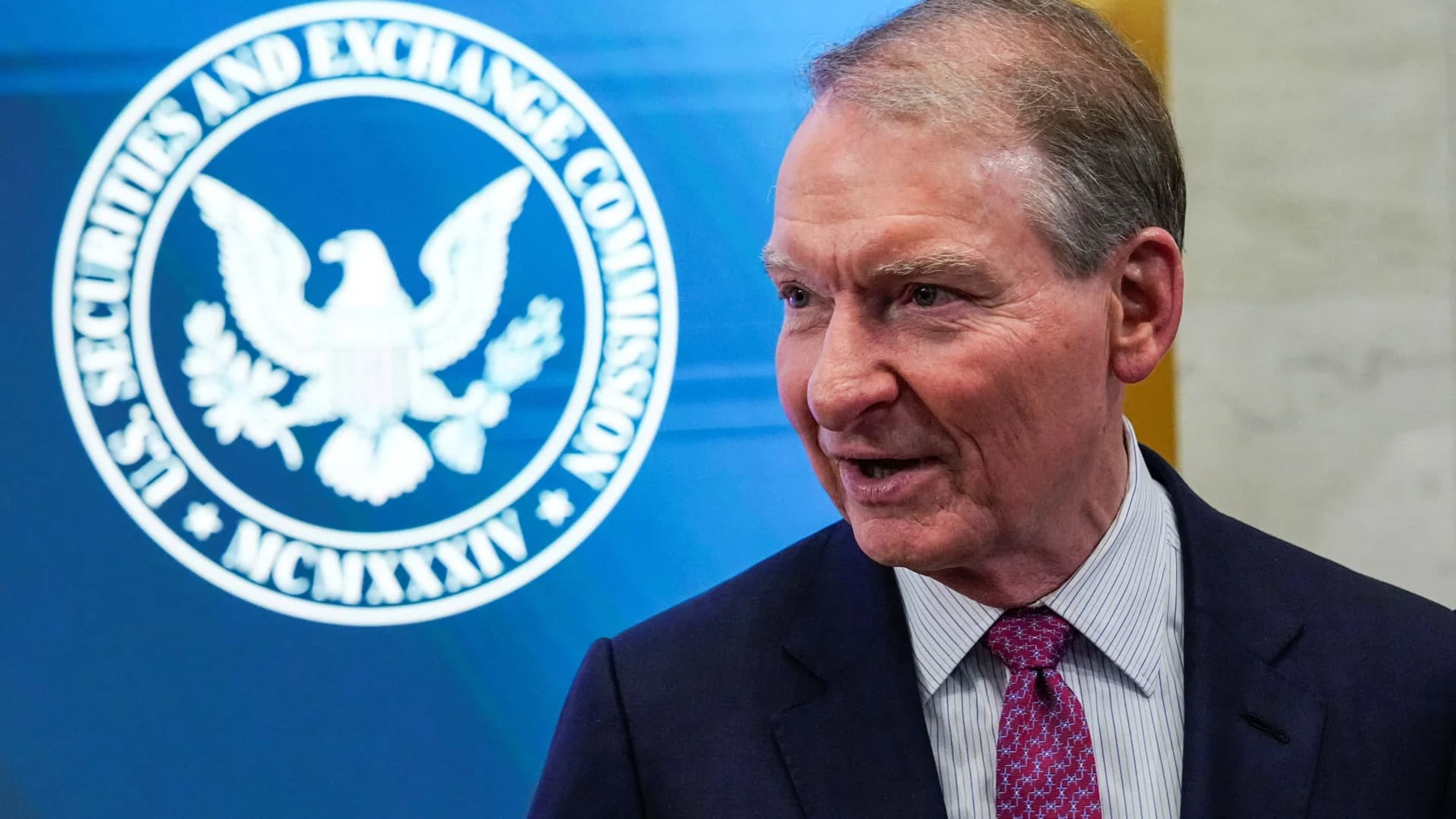
According to reporting by CNBC, the United States Securities and Exchange Commission has launched a temporary regulatory framework designed to accommodate certain digital asset operations. The newly introduced exemption addresses long-standing friction points in digital finance by granting specific platforms limited clearance to distribute tokenized versions of publicly traded equities. This initiative bypasses the immediate need for brand-new congressional legislation, relying instead on the agency's current administrative mandate. Market observers note that this approach represents a pragmatic effort to establish boundaries while broader legislative proposals continue to encounter legislative obstacles in the Senate.
The administrative measure, frequently discussed as part of ongoing modernization efforts, carries a multi-year timeline intended to gather operational data. Officials suggest that insights gained from this transitional phase will help shape permanent rulemaking and guide future statutory requirements. Nevertheless, industry participants must navigate these complex provisions carefully, as the temporary rules impose strict operational boundaries and volume caps designed to mitigate sudden market swings. Compliance officers across digital asset platforms are actively reviewing these announcements to determine their immediate applicability to cross-border and domestic product offerings.
Shareholder Rights and Corporate Governance Integration
A central element of the newly reported regulatory pathway involves the preservation of traditional corporate privileges for digital token holders. Under the published conditions, platforms facilitating these tokenized transactions must guarantee that investors retain identical voting capabilities and dividend distributions matching standard equity ownership. This mandate directly addresses previous disputes between digital asset innovators and traditional corporate executives regarding the erosion of traditional shareholder relationships. Policymakers emphasize that maintaining these foundational protections is essential for preserving market integrity and preventing corporate governance dilution.
Furthermore, the framework incorporates a mandatory notification mechanism that allows underlying issuing companies to review and potentially reject the tokenization of their shares. Trading venues are required to provide advance notice to target corporations, establishing a thirty-day window during which issuers can formally object to having their securities represented on blockchain networks. If an objection is lodged, the venue must immediately halt any plans to make the corresponding tokens available for trading. This provision directly balances technological innovation with the sovereign prerogatives of public companies over their capital structures.
Market Implications and Infrastructure Evolution
The integration of tokenized equities into mainstream financial ecosystems promises to accelerate the transition toward continuous, round-the-clock settlement cycles. Proponents argue that leveraging blockchain technology can significantly reduce clearing friction, lower settlement costs, and enhance global accessibility for retail and institutional participants alike. Major digital asset service providers have previously explored similar offerings in overseas jurisdictions, and this domestic development signals a potential shift in how American markets approach onchain financial infrastructure. Enhanced liquidity and instantaneous verification could fundamentally redefine the operational mechanics of traditional equity exchanges.
Despite the optimistic outlook shared by technology advocates, analysts warn of potential systemic risks associated with continuous trading models. Without traditional market closure periods, tokenized assets may experience amplified volatility during periods of sparse liquidity or macroeconomic stress. The current regulatory exemption attempts to temper these risks by imposing volume limitations and rigorous surveillance requirements on participating liquidity providers. Financial institutions must therefore upgrade their risk management systems to monitor continuous price fluctuations and ensure adequate collateralization across all digital equity holdings.
Industry Adaptation and Compliance Responses
Major cryptocurrency platforms and digital brokerages are actively adjusting their operational roadmaps in response to the reported regulatory updates. Companies that previously restricted their tokenized stock products to international clients are now re-evaluating domestic compliance requirements to accommodate the newly outlined pathways. Notable industry participants have already begun announcing structural modifications, such as implementing one-to-one redemption protocols that allow tokenholders to claim underlying shares directly from custodial accounts. These strategic shifts reflect a broader industry desire to operate fully within sanctioned legal boundaries while capitalizing on the efficiencies of distributed ledger technology.
At the same time, legal advisors caution that compliance remains contingent upon adhering strictly to the detailed stipulations outlined in the agency's order. Broker-dealers must establish robust verification procedures to ensure that every tokenized instrument accurately mirrors the corporate actions and economic rights of the reference security. Failure to comply with the thirty-day corporate objection window or the mandatory shareholder rights provisions could trigger severe enforcement actions. Consequently, compliance departments are dedicating substantial resources to audit token issuance pipelines and verify issuer consent before deploying new products to the market.
Conclusion and Strategic Outlook
In summary, CNBC reported that the SEC introduced a temporary Innovation Exemption to permit tokenized equity trading under strict conditions, though this initiative remains not officially confirmed by comprehensive legislative statutes. The affected entities include major retail digital brokerages like Robinhood and digital asset platforms seeking domestic expansion, alongside the broader user group of retail and institutional crypto-stock traders. What changes now is that trading venues must navigate conditional exemptions, corporate veto rights, and mandatory shareholder parity rather than operating in a completely unregulated environment.
As the next immediate action, affected exchanges and liquidity providers must establish rigorous legal review procedures for issuer notifications and redemption mechanics while awaiting final statutory rulemaking. Stakeholders must carefully distinguish between reported administrative relaxations and permanent legal certainties, ensuring all compliance frameworks account for potential enforcement shifts.
Cexvia conclusion
Strategic Outlook and Compliance Imperatives
CNBC reported that the U.S. Securities and Exchange Commission introduced an Innovation Exemption to establish temporary regulatory pathways for tokenized equities, which remains not officially confirmed by comprehensive legislative actions.
- Risk meaning
- The regulatory shift attempts to structure digital assets within existing authority after congressional legislative efforts stalled, introducing conditional exemptions that require strict shareholder rights preservation and corporate veto powers.
- User action
- Exchanges and liquidity providers must evaluate compliance protocols regarding tokenholder rights, redemption mechanisms, and issuer notification periods before launching digital equity products.
Continue reading