Regulatory Risk
U.S. SEC Introduces Five-Year Innovation Exemption for Tokenized Securities Venues Amid Evolving Regulatory Frameworks
According to reporting by CoinDesk, the U.S. Securities and Exchange Commission has unveiled a five-year conditional exemption allowing blockchain-based trading platforms to list and trade tokenized securities without registering as formal national exchanges. This regulatory adjustment follows legislative developments in Congress and applies strictly to assets representing true underlying ownership rather than synthetic derivatives. However, these developments remain not officially confirmed by independent primary regulatory documentation beyond media reports.
Regulatory Background and Scope of the Innovation Exemption
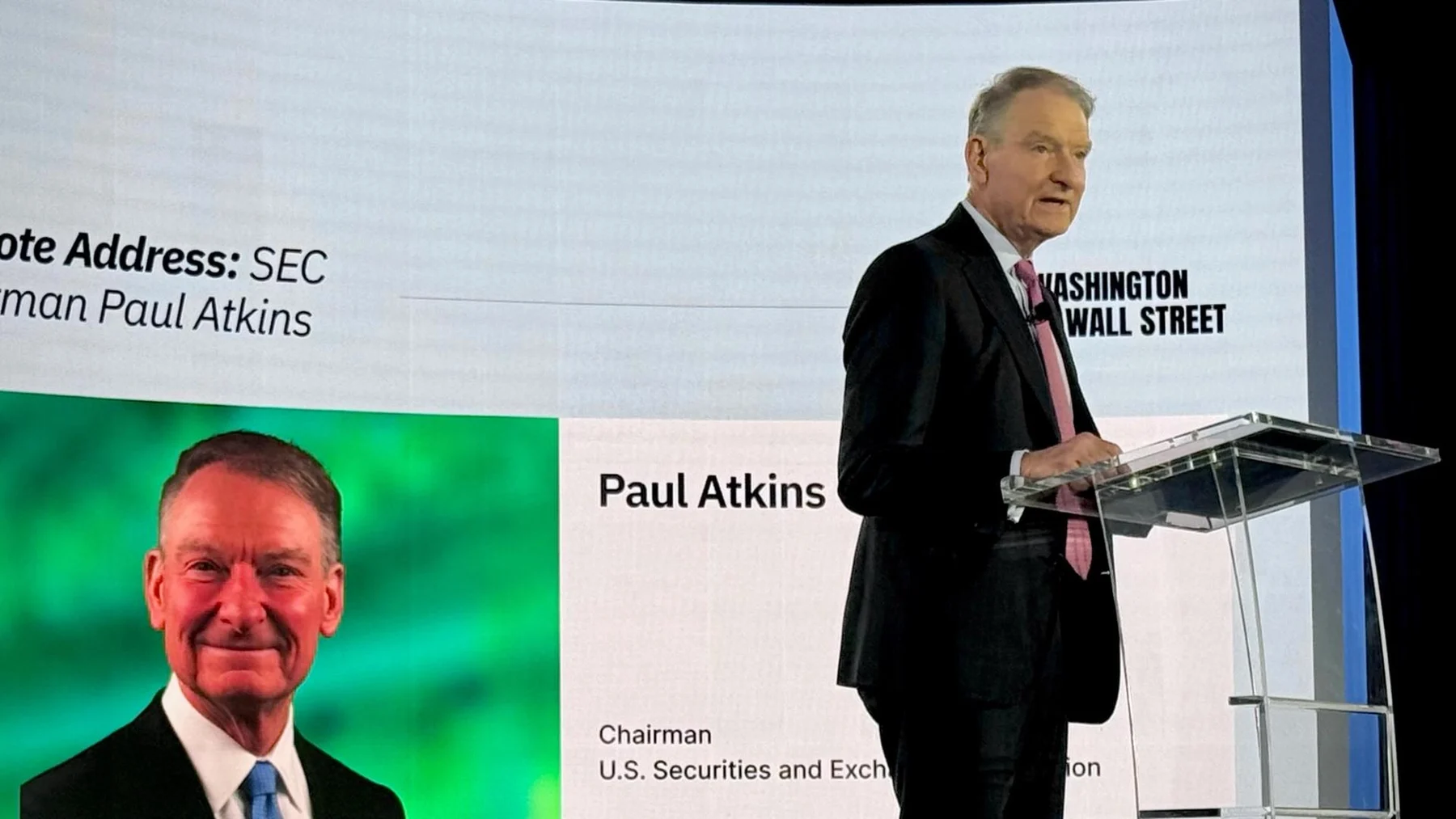
According to recent reporting published by CoinDesk, the U.S. Securities and Exchange Commission has formulated a new regulatory pathway designed to accommodate blockchain-based capital market activities. The reported policy framework introduces a five-year temporary exemption that relieves qualifying tokenized securities venues from the traditional requirement of registering as formal national securities exchanges. This administrative maneuver arrives shortly after legislative efforts concerning broader digital asset market structures experienced setbacks within the United States Senate, prompting financial regulators to explore alternative methods within their existing statutory authority to address market demands.
The reported guidelines establish precise boundaries regarding which digital instruments can qualify for the temporary administrative relief. Media coverage highlights that the regulatory carve-out is restricted exclusively to tokens representing genuine, direct ownership of underlying corporate shares or equities. Consequently, financial products structured as synthetic derivatives, debt instruments, or offshore offerings that fail to confer standard shareholder entitlements such as voting privileges and dividend distributions are explicitly barred from utilizing the exemption. Market participants must therefore carefully analyze the structural characteristics of their tokenized offerings to ensure strict adherence to these outlined parameters.
Operational Conditions and Issuer Protection Mechanisms
Media reports from CoinDesk indicate that utilizing the newly announced regulatory exemption involves specific procedural obligations for blockchain trading platforms. Rather than undergoing a formal pre-approval process or receiving official designation by the commission, operating entities that believe they satisfy the regulatory criteria are required to submit an advance notice before launching their tokenized operations. This notification requirement is intended to establish basic transparency while allowing the regulatory agency to monitor the emergence of automated market makers and decentralized liquidity pools operating under the provisional framework.
To safeguard the interests of traditional corporate entities, the reported framework incorporates a mandatory issuer protection mechanism. Under the reported provisions, a tokenized securities venue must provide a thirty-day advance notice to an outside company prior to tokenizing that company's issued securities. During this designated window, the issuing corporation retains the absolute right to object to the third-party tokenization of its equity. A simple notification of objection from the issuer is reportedly sufficient to halt the platform from listing the corresponding tokenized asset, thereby giving traditional enterprises direct control over how their securities are represented across decentralized ledgers.
Market Implications and Strategic Industry Reactions
The dissemination of the reported SEC policy has generated significant discussions across traditional financial institutions and digital asset enterprises alike. Wall Street firms and global asset managers have increasingly looked toward tokenization as a transformative mechanism to achieve faster settlement cycles, continuous trading availability, and reduced operational friction. Financial sector analysts have previously projected substantial long-term growth for tokenized asset markets, lending considerable weight to any administrative movement by federal regulators that appears to validate or facilitate blockchain-based financial recordkeeping and asset distribution.
Despite the enthusiasm surrounding potential market expansion, industry participants remain cognizant of the temporary and potentially fragile nature of the administrative exemption. Because the policy relies entirely on the discretionary regulatory powers of the current commission leadership rather than permanent federal legislation enacted by Congress, future political shifts could introduce policy reversals. Consequently, digital asset exchanges and infrastructure providers must weigh the immediate commercial opportunities of launching tokenized products against the long-term regulatory uncertainty inherent in executive-branch exemptions.
Evidentiary Status and Unconfirmed Reporting Caveats
It is essential for all institutional market participants and retail observers to note that the details concerning the SEC innovation exemption are derived entirely from secondary media reporting provided by CoinDesk. At the time of publication, these regulatory initiatives are not officially confirmed by primary administrative documents or direct, formal announcements published on the official regulatory portal. Reliance on media summaries without verification of primary regulatory text introduces operational and legal risks for entities planning strategic deployments in tokenized infrastructure.
Independent verification protocols dictate that until the commission releases comprehensive administrative orders and definitive guidance documents, all reported parameters, timelines, and operational conditions must be treated as provisional. Financial institutions and compliance officers are advised to maintain rigorous due diligence standards, cross-referencing media accounts with forthcoming federal register publications and official agency releases to ensure complete legal alignment before committing significant capital or operational resources to tokenized securities venues.
Conclusion and Actionable Compliance Directive
In conclusion, media reporting from CoinDesk indicates that the U.S. Securities and Exchange Commission has formulated a five-year conditional exemption framework for tokenized securities venues, though these measures remain not officially confirmed by primary administrative filings. This developing regulatory posture directly affects digital asset trading platforms, token issuers, and blockchain infrastructure providers operating within the United States. While the reported policy offers a temporary pathway for onchain equity trading without formal exchange registration, it imposes strict limitations excluding synthetic derivatives and mandates thirty-day issuer notification windows.
Affected entities and user groups must immediately review their operational architectures to distinguish qualifying direct ownership tokens from non-compliant synthetic offerings. Compliance teams are advised to monitor official regulatory announcements closely, prepare robust notification procedures to respect corporate issuer objections, and avoid relying solely on unverified media reports when structuring tokenized financial products. The immediate next action requires legal counsel to audit existing listing pipelines against the reported criteria while remaining prepared for potential administrative adjustments.
Cexvia conclusion
Strategic Assessment and Operational Mandates
CoinDesk reported that the U.S. Securities and Exchange Commission has issued a five-year temporary exemption for tokenized securities venues to operate without standard exchange registration. This development impacts digital asset trading platforms and blockchain infrastructure providers operating within United States jurisdiction. The initiative is not officially confirmed by primary regulatory notices at this stage, requiring market participants to monitor upcoming administrative guidance closely.
- Risk meaning
- The introduction of a time-limited regulatory carve-out alters the compliance landscape for digital asset enterprises seeking to bridge traditional equity markets and decentralized ledger technologies. While the measure provides temporary legal clarity for automated market makers and liquidity pools, the absence of permanent statutory backing leaves platforms exposed to potential policy reversals under future administrations. Furthermore, strict limitations excluding synthetic derivatives mean offshore products and certain algorithmic offerings will not qualify for the exemption.
- User action
- Digital asset exchanges and blockchain-based trading venues must carefully evaluate whether their tokenized listings meet the stringent criteria established by the recent regulatory announcements, specifically regarding genuine underlying share ownership and dividend rights. Operators intending to utilize the provisional framework must prepare proper notice procedures and establish robust communication channels to respect any issuer objections within the designated notification window. Compliance teams should continuously verify official commission publications to reconcile reported policy outlines with binding administrative text before deploying new tokenized financial products.
Continue reading