Regulatory Risk
SEC Proposes First Transfer Agent Overhaul in Decades, Highlighting Tokenization and Distributed Ledgers
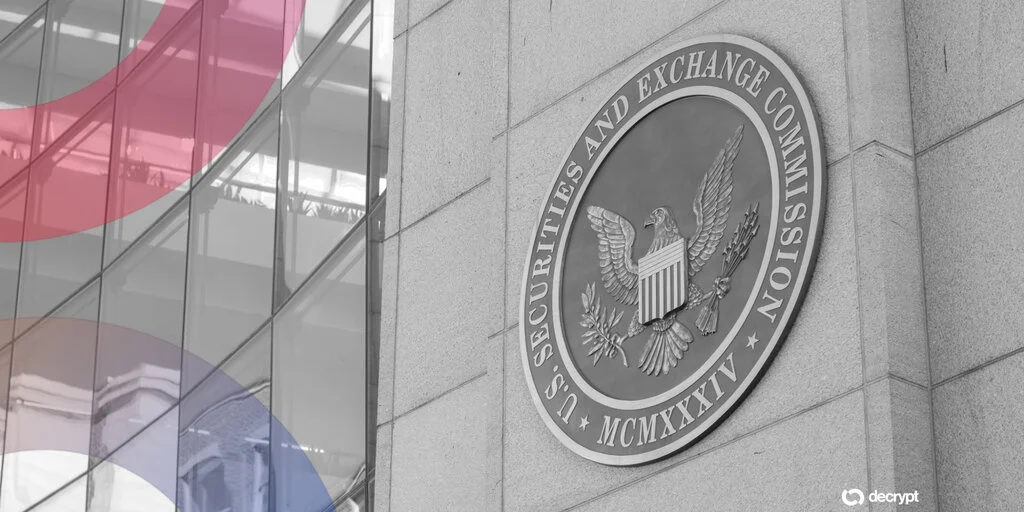
According to reporting by Decrypt, the United States Securities and Exchange Commission has proposed its first substantial regulatory update for transfer agents in over forty years, introducing reporting requirements for distributed ledger technology and tokenized securities. This development remains not officially confirmed by comprehensive legislative implementation.
Regulatory Background and Historical Context
According to reporting by Decrypt, financial authorities in the United States have embarked on a comprehensive administrative modernization initiative concerning institutional intermediaries that manage corporate equity registers. The governing framework that previously controlled these operational entities was largely constructed during the late nineteen-seventies and early nineteen-eighties, a period predating modern electronic communication networks and digital asset technologies. Industry observers note that the regulatory body has faced persistent pressure to adapt outdated operational standards to contemporary capital market realities where technological innovation drives transaction processing.
Publisher coverage highlights that commissioners acknowledged previous reliance on fragmented enforcement strategies rather than cohesive rulemakings over the past decade. Market participants operating at the intersection of traditional finance and distributed ledger networks have repeatedly requested regulatory clarity regarding how digital tokens and blockchain-based shareholder registries fit into established legal definitions. The newly published administrative documents attempt to address these structural ambiguities by establishing formalized reporting channels for digital ledger entries and related operational models.
Proposed Changes to Form TA-2 and Recordkeeping
Media reports from Decrypt indicate that the regulatory agency's latest administrative release proposes significant modifications to Form TA-2, the primary reporting document utilized by registered intermediaries. Under the proposed adjustments, institutional intermediaries would be legally obligated to disclose the exact quantity of security issues that maintain their master securityholder files directly on distributed ledger technology. Furthermore, these entities would be required to categorize tokenized asset issues into distinct operational groups, specifically differentiating between issuer-sponsored models and third-party-sponsored arrangements.
The published material outlines complex technical questions regarding the legal boundaries of control when records are maintained across decentralized infrastructure that agents do not exclusively govern. Regulators are actively seeking public feedback on whether existing compliance frameworks adequately permit intermediaries to link specific wallet addresses and token quantities directly with offchain identity records containing the true names and physical addresses of security holders. Such technical adjustments are designed to ensure that automated onchain ownership transfers seamlessly update the master ledger of the issuing corporation.
Commissioner Perspectives and Industry Implications
Reporting from Decrypt details diverging perspectives among commissioners regarding the timing and necessity of the modernizing administrative text. Commissioner Hester Peirce noted publicly that the expansive proposal represents more than ten years of internal deliberation and specifically invited comprehensive commentary concerning the broader economic and operational implications for asset tokenization. Concurrently, Commissioner Mark T. Uyeda observed that the prolonged absence of updated formal rulemaking compelled the regulatory apparatus to rely heavily on piecemeal enforcement actions, creating substantial uncertainty for financial technology developers.
Industry analysts cited in news coverage suggest that these regulatory adjustments could significantly reshape the operational mandates for firms providing distributed ledger administration and cross-chain interoperability services. Because the proposed framework places tokenization agents and blockchain networks alongside conventional service providers like commercial banks and printing firms, institutional compliance departments must prepare for rigorous oversight. Market participants are advised to analyze how these emerging reporting obligations might impact their proprietary technical architectures and client onboarding procedures.
Operational Safeguards and Public Consultation Process
According to Decrypt, the comprehensive regulatory text includes provisions that would eliminate specific historical exemption rules, establish a uniform retention period across the majority of institutional records, and redefine safeguarding requirements. The updated safeguarding standard is designed to function as an overarching risk-management mandate that addresses critical operational vulnerabilities such as cybersecurity threats and business continuity failures. These changes reflect a growing institutional focus on operational resilience within modern electronic financial systems and automated ledger environments.
In addition to the primary transfer agent rule amendments, the regulatory body announced preparations for an upcoming public roundtable focusing on twenty-four-hour trading markets, drawing executive participants from major retail brokerages, national exchanges, and overnight trading venues. The public comment period for the transfer agent modernization proposal will remain open for sixty days following its official publication in the Federal Register. Entities operating within the digital asset ecosystem have a limited window to submit constructive feedback regarding technical feasibility and compliance burdens.
Conclusion and Unconfirmed Administrative Status
In conclusion, reporting by Decrypt establishes that the United States Securities and Exchange Commission has proposed its first extensive transfer agent overhaul in decades, explicitly targeting tokenized securities and distributed ledger recordkeeping. This reported regulatory action affects transfer agents, digital asset issuers, and financial technology infrastructure providers operating within capital markets. What has been reported is the official publication of a 421-page administrative release and the opening of a sixty-day public comment window, whereas what remains unconfirmed is the final statutory form of the rules and whether the proposed reporting requirements will be modified following public feedback.
Moving forward, affected entities and user groups must actively review their distributed ledger architectures, evaluate Form TA-2 reporting capabilities, and prepare comprehensive comment submissions before the administrative deadline. Because this development is not officially confirmed as final legislation, stakeholders should maintain flexible compliance strategies while monitoring subsequent regulatory pronouncements and industry roundtable outcomes.
Cexvia conclusion
Comprehensive Compliance Evaluation for Onchain Asset Infrastructure
Decrypt reported that the regulatory agency published a massive proposal document addressing blockchain recordkeeping, opening a sixty-day public comment window. This administrative action is not officially confirmed as final policy until rulemaking concludes.
- Risk meaning
- Market participants managing digital assets must evaluate how modern regulatory compliance obligations will intersect with decentralized architectures, smart contracts, and cross-chain interoperability frameworks.
- User action
- Entities and investors engaging with tokenized equity registers should monitor administrative developments and participate in ongoing industry feedback processes during the open comment window.
Continue reading

