Regulatory Risk
SEC Halts Nasdaq Bitcoin Options Approval Following Jurisdictional Challenge by CME
According to reporting by CoinDesk on August 1, 2026, the U.S. Securities and Exchange Commission has temporarily frozen its earlier approval of Nasdaq's QBTC bitcoin options product. This administrative pause responds directly to a formal legal challenge filed by CME Group in June 2026. CME argues that because bitcoin functions as a commodity, derivatives tied to its valuation fall strictly under the regulatory domain of the Commodity Futures Trading Commission rather than the securities regulator. The suspension remains active while commissioners evaluate the jurisdictional boundaries, with public comments scheduled through August 24, 2026. This development is not officially confirmed by an independent administrative adjudication beyond published agency orders.
Background of the Regulatory Freeze on Nasdaq Bitcoin Options
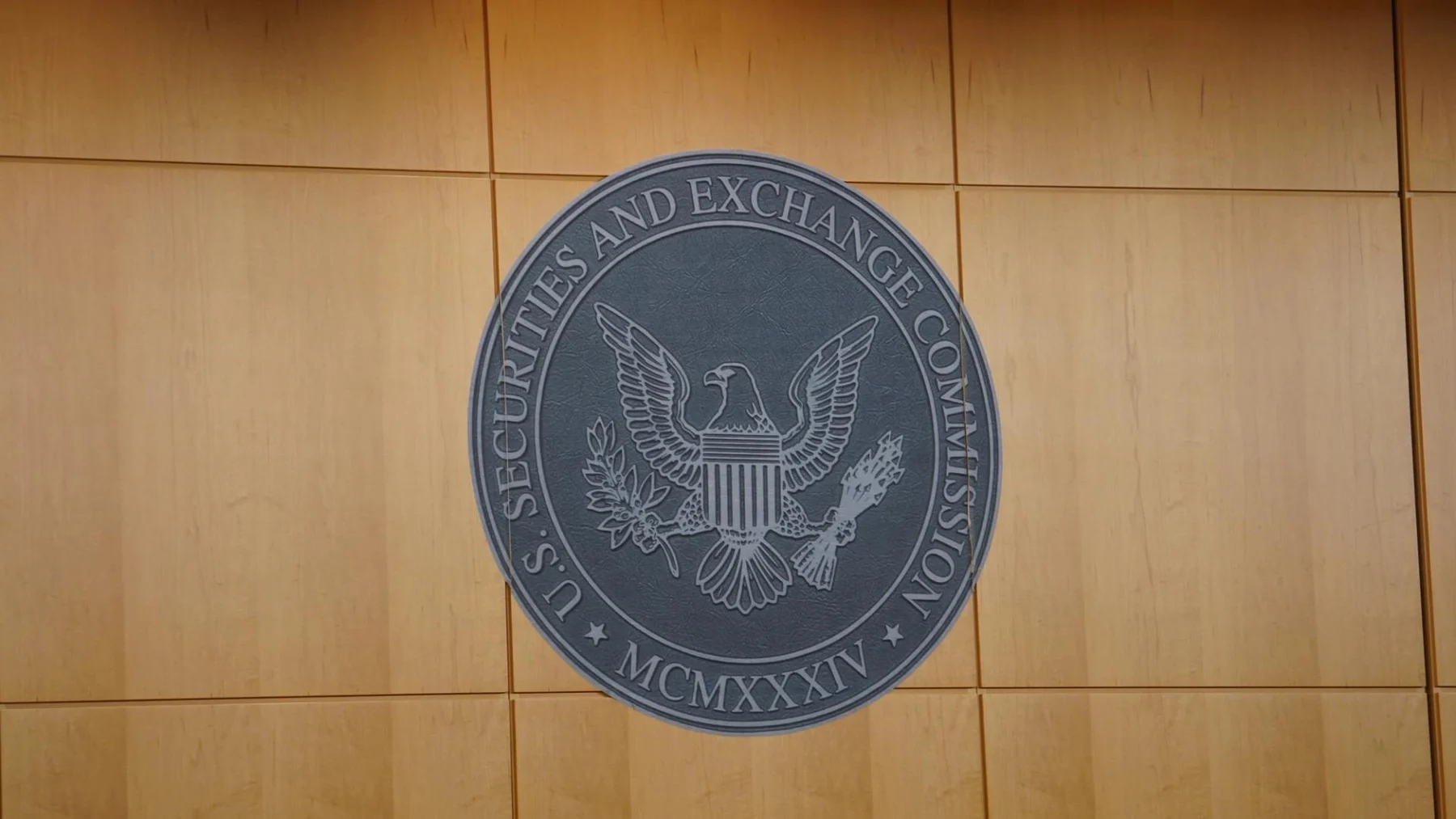
According to reporting published by CoinDesk on August 1, 2026, the United States Securities and Exchange Commission has enacted a temporary administrative freeze on a previously issued approval allowing Nasdaq PHLX to list cash-settled bitcoin index options under the ticker QBTC. The regulatory reversal was detailed in an agency order released for public inspection on July 31, 2026, stemming from a formal challenge initiated by CME Group. Initially, the conditional green light was granted in May 2026, assuming that requisite exemptions from the Commodity Futures Trading Commission would allow both Nasdaq and the Options Clearing Corporation to facilitate trading within traditional securities market architectures.
The abrupt pause highlights complex regulatory overlaps governing digital asset derivatives within United States financial jurisdictions. Because digital assets exhibit characteristics spanning traditional asset classes, legacy regulatory frameworks established decades ago often struggle to accommodate novel financial instruments. The administrative action taken by the securities regulator to review its earlier decision underscores the precarious nature of launching innovative crypto-derivatives without absolute consensus among primary market regulators regarding statutory authority and supervisory boundaries.
CME Group Legal Challenge and Jurisdictional Arguments
CME Group formally contested the approval in June 2026, arguing that because bitcoin is fundamentally classified as a commodity, options tied directly to its underlying economic value fall exclusively under the regulatory jurisdiction of the Commodity Futures Trading Commission rather than the SEC. The petition filed by CME asserted that utilizing regulatory exemptions cannot legally transfer a derivatives product from one regulatory regime to another without statutory backing. If this legal argument is sustained by the commission, the SEC lacks the statutory authority to approve products like QBTC, forcing Nasdaq to either register as a futures or swaps exchange under CFTC rules or fundamentally redesign the contracts.
Furthermore, the challenge emphasized that Nasdaq's proposed product would utilize CME CF benchmarks for both the underlying index and final settlement pricing, while directly competing with CME's existing regulated futures and options markets. CME warned that allowing the SEC to approve such contracts would establish a problematic precedent, potentially permitting securities exchanges to list derivatives on various other commodities without adhering to the comprehensive regulatory frameworks specifically designed for commodity derivatives and cleared through designated contract markets.
Market Implications for Nasdaq and Institutional Participants
The freezing of the QBTC listing creates immediate operational hurdles for Nasdaq and participating clearing organizations aiming to expand their crypto-linked product suites. Institutional participants who had begun preparing trading strategies, liquidity provisioning models, and risk management integrations for the cash-settled index options must now halt deployment. This uncertainty highlights the operational risks inherent in regulatory friction points, where commercial rollout schedules can be abruptly derailed by inter-agency jurisdictional turf wars and formal legal petitions from established incumbent exchanges.
For Nasdaq, the suspension represents a significant setback in its strategic initiative to capture growing institutional demand for regulated cryptocurrency derivative products. The exchange must now navigate a formal review process, prepare legal defenses, and potentially restructure its product offerings to satisfy regulatory mandates. Market observers note that this dispute could reshape how traditional exchanges cooperate or compete in the expanding digital asset derivatives sector, setting crucial boundaries for future cross-asset product innovations.
Public Comment Period and Regulatory Timeline
The administrative stay issued by the securities regulator remains active while the full commission reviews the validity of its original approval order. To facilitate a thorough evaluation, the agency has formally invited interested market participants, industry associations, and legal experts to submit public comments supporting or opposing the continuation of the QBTC approval. The deadline for submitting these formal statements has been established as August 24, 2026, giving stakeholders a limited window to influence the final administrative determination.
Since the stay went into effect following CME's initial notice on June 11, 2026, the ongoing review has drawn intense scrutiny from across the financial regulatory landscape. Industry participants are closely monitoring the submissions for insights into how both the SEC and the CFTC might interpret overlapping authorities in the future. The outcome of this comment period will likely dictate the procedural trajectory of the current dispute and could establish new compliance precedents for digital asset derivative listings across U.S. exchanges.
Broader Regulatory Context and Inter-Agency Dynamics
The conflict between the SEC and CME regarding bitcoin options reflects broader systemic tensions regarding the regulatory classification of digital assets in global financial markets. While securities regulators have frequently asserted oversight over various tokenized instruments and investment products, commodity regulators maintain exclusive authority over futures contracts and swaps linked to underlying commodities like bitcoin and ether. The attempt by exchanges to introduce hybrid products often triggers fierce jurisdictional pushback from incumbents operating under alternative regulatory frameworks.
Market analysts reporting on these developments emphasize that inter-agency coordination between the SEC and CFTC remains a critical variable for the maturation of crypto-derivative markets. Without clear statutory demarcations or formalized joint oversight mechanisms, market participants will continue to face regulatory arbitrage, legal challenges, and sudden product suspensions. The resolution of the Nasdaq QBTC dispute will serve as an essential indicator of how future cross-regulatory product applications are evaluated and contested in the United States.
Conclusion, Entity Impact, and Actionable Guidance
In conclusion, based on reporting by CoinDesk, the SEC has frozen Nasdaq's QBTC bitcoin options approval following a legal challenge from CME Group. The affected entities include Nasdaq, CME Group, and institutional users seeking cash-settled bitcoin options exposure. What changes now is that the product launch remains suspended while the full commission reviews the jurisdictional dispute, with public comments open until August 24, 2026. This regulatory development is not officially confirmed by final administrative adjudication beyond published agency orders. Market participants must monitor upcoming regulatory decisions and avoid exposure to the suspended instrument.
The next required action for institutional traders and compliance officers is to review internal risk policies and assess potential exposure to commodity-linked digital asset derivatives currently facing regulatory scrutiny. Stakeholders should ensure that trading desks do not allocate capital to suspended products while formal reviews are ongoing. Furthermore, affected market participants should consider submitting commentary to the SEC before the August 24 deadline to voice operational perspectives on the jurisdictional boundaries dividing securities and commodity derivatives.
Cexvia conclusion
Regulatory Uncertainty and Jurisdiction Analysis
As reported by CoinDesk, the U.S. Securities and Exchange Commission has stayed Nasdaq's QBTC index options approval following a jurisdictional challenge from CME Group. The affected entities include Nasdaq, CME Group, and institutional participants utilizing cash-settled bitcoin options. What changes now is that the trading rollout of QBTC remains suspended pending a comprehensive commission review and public comment period ending August 24, 2026. The next required action for market participants is monitoring regulatory filings and submitting commentary. This regulatory review is not officially confirmed by final administrative adjudication.
- Risk meaning
- The regulatory intervention highlights ongoing jurisdictional disputes between financial and commodity regulators regarding digital asset derivatives. Exchanges planning to list similar products face heightened compliance uncertainty, potential redesign requirements, or the necessity to seek dual registrations.
- User action
- Market participants and institutional traders should avoid positioning in the suspended QBTC product, monitor upcoming SEC commission determinations, and review existing compliance frameworks concerning commodity-linked digital asset derivatives.
Continue reading