Regulatory Policy
US SEC Sets Meeting to Propose Regulation Crypto to Support Certain Digital Asset Offerings
According to reporting by CoinDesk, the U.S. Securities and Exchange Commission has scheduled a meeting to vote on initiating its first major formal crypto rulemaking process, designated as Regulation Crypto. This development is not officially confirmed by the agency's final administrative registry beyond the reported notice.
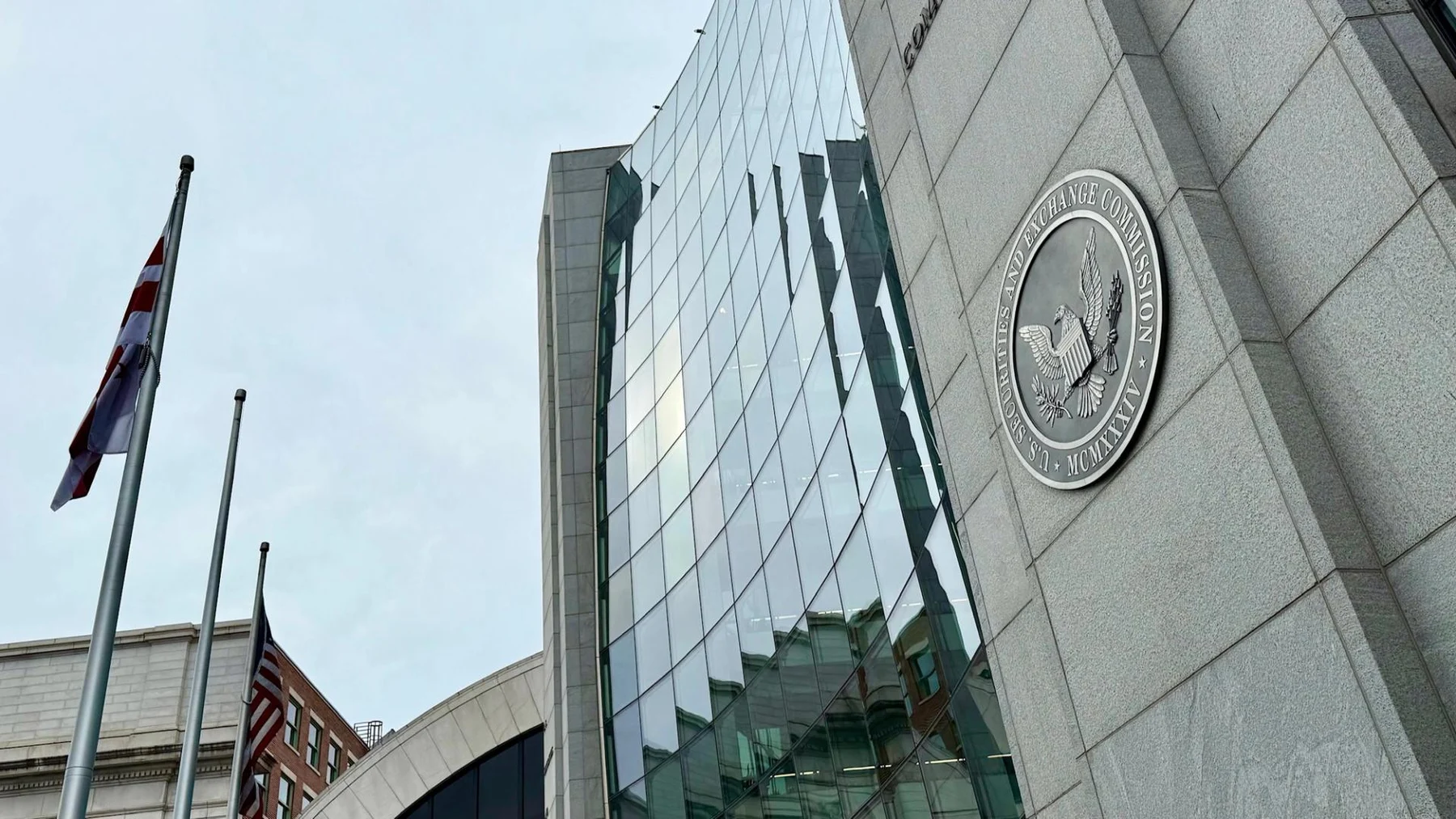
Overview of the Reported SEC Regulatory Action
Recent reporting by media outlet CoinDesk indicates that the United States Securities and Exchange Commission has arranged a high-profile administrative meeting aimed at introducing its inaugural formal framework for digital assets. According to the published details, this planned initiative, frequently referred to by market observers and agency participants as Regulation Crypto, represents a pivotal attempt to establish durable regulatory standards for the domestic digital asset sector. Observers monitoring the policy landscape have noted that the agency chose to issue a relatively short notice for this upcoming gathering, drawing widespread attention from legal professionals, market participants, and digital asset enterprises striving to understand the evolving compliance environment.
The reported administrative meeting has been scheduled against a backdrop of prolonged regulatory ambiguity and evolving statutory discussions within the United States. While previous efforts by the agency primarily involved staff-level guidance and isolated policy statements, the current move toward a structured rulemaking procedure is intended to create a more permanent foundation for industry participants. However, industry analysts and legal commentators emphasize that the information currently available stems from journalistic coverage and administrative notices rather than an officially finalized regulatory text. Consequently, all stakeholders are advised to evaluate these developments with appropriate caution while awaiting verified administrative documentation directly from the regulatory commission.
Context Surrounding Legislative Stalls and Agency Initiatives
The scheduling of the administrative meeting follows closely behind legislative developments on Capitol Hill, specifically the failure of the United States Senate to advance the Digital Asset Market Clarity Act prior to its scheduled recess. According to the reported accounts, lawmakers were unable to secure the necessary procedural votes to push the comprehensive market structure bill forward, leaving a significant void in statutory oversight for digital assets. In response to this legislative setback, market analysts suggest that financial regulators are stepping in to provide alternative pathways for market participants seeking regulatory clarity, thereby shifting the locus of initial governance toward administrative rulemakings rather than congressional statutes.
Industry publications and financial research notes highlighted by CoinDesk indicate that market observers view the agency's current actions as a substitute or bridge following the legislative standstill. Financial analysts tracking regulatory trajectories point out that while statutory legislation remains the preferred mechanism for comprehensive market structure reform, administrative rulemakings offer a viable secondary route to address pressing compliance concerns for digital asset businesses. Nevertheless, experts emphasize that administrative rules are subject to extensive public comment periods, revisions, and potential legal challenges, meaning that the ultimate realization of Regulation Crypto will require a protracted timeline extending well beyond the initial proposal date.
Scope and Objectives of the Proposed Regulation Crypto
According to the media reports detailing the agenda, the proposed Regulation Crypto is structured to introduce a tailored offering regime specifically designed for certain investment contracts utilized within the digital asset ecosystem. This framework is expected to outline explicit mechanisms allowing crypto firms to raise capital for their respective projects without immediately triggering burdensome registration requirements that have historically constrained digital asset development. Furthermore, the reported framework aims to provide a structured exit path for businesses once they cease active, hands-on management of the underlying projects, potentially mitigating perpetual liability concerns under federal securities laws.
The reported framework represents a departure from previous enforcement-heavy approaches, signaling an attempt to institutionalize clear operational boundaries for emerging cryptographic projects. Analysts cited in the coverage suggest that establishing a formal rule would provide significantly greater durability compared to the agency's prior staff bulletins and interpretive policy statements, which can be easily rescinded or modified by subsequent leadership. However, because these structural intentions remain confined to initial proposals and reporting, market participants must await the actual release of the commission's text to verify the precise parameters, exemptions, and qualifying criteria associated with the offering regime.
Implications for Digital Asset Issuers and Market Participants
The potential introduction of Regulation Crypto carries wide-ranging implications for digital asset issuers, venture capital funds, and developers operating within the United States jurisdiction. If the reported provisions are officially enacted following the public comment period, compliant capital formation could become significantly more accessible for early-stage blockchain initiatives, reducing the legal uncertainty that has driven numerous technology ventures toward offshore jurisdictions. Issuers would theoretically gain a standardized methodology for distributing digital tokens without incurring the severe enforcement risks associated with unregistered securities offerings under traditional regulatory interpretations.
Despite the optimistic outlook presented by certain market analysts, legal experts caution that compliance obligations under any new SEC framework will likely entail rigorous disclosure standards and administrative oversight. Entities utilizing the proposed tailored regime would still be bound by investor protection mandates, reporting obligations, and anti-fraud provisions enforceable by federal authorities. Consequently, digital asset businesses must conduct comprehensive internal reviews and consult with qualified legal counsel once the official text is published to ensure complete alignment with all stipulated requirements before altering their capital-raising strategies.
Procedural Timeline and Anticipated Public Commentary
The administrative process initiated by the scheduled meeting is expected to span several months, beginning with a formal public comment period that typically lasts between sixty and ninety days. During this window, industry associations, legal scholars, institutional investors, and individual retail participants will have the opportunity to submit formal feedback, criticisms, and proposed amendments to the commission's preliminary text. Financial analysts tracking the procedure emphasize that public commentary frequently shapes the final contours of major financial regulations, as regulatory agencies must address substantive comments and concerns raised by stakeholders prior to adopting final rules.
Following the close of the comment period, the agency staff will face the complex task of reviewing submissions, conducting economic analyses, and potentially rewriting portions of the proposal to address valid industry concerns or legal vulnerabilities. This iterative drafting process ensures that the eventual final rule will be subjected to thorough scrutiny, making the realization of a fully enacted Regulation Crypto a protracted endeavor that will extend well past the initial August meeting. Stakeholders are therefore urged to maintain active vigilance and participate constructively in the administrative feedback mechanisms as the rulemaking proceeds.
Conclusion, Entity Identification, and Next Recommended Actions
In conclusion, media reporting from CoinDesk indicates that the U.S. Securities and Exchange Commission has scheduled a meeting to vote on proposing Regulation Crypto, an initiative aimed at providing a tailored offering regime for certain digital assets. This development is not officially confirmed by the agency's final administrative registry beyond the reported meeting notice. The affected entities include U.S.-based digital asset issuers, tokenized project developers, and crypto market participants, while the primary user group consists of domestic retail and institutional investors engaging with digital asset offerings. What changes now is the formal commencement of administrative rulemaking discussions, whereas what remains unconfirmed is the final statutory scope, exact compliance parameters, and ultimate enactment timeline of the proposed regulation.
The next recommended action for affected digital asset issuers, legal professionals, and market participants is to monitor official regulatory announcements directly from the SEC following the scheduled meeting date. Stakeholders should review published proposal texts meticulously upon release, participate in structured public comment periods through qualified industry associations, and refrain from making premature operational or capital-raising adjustments until the regulatory framework achieves official finalization.
Cexvia conclusion
Evaluation of Reported SEC Rulemaking and Regulatory Outlook
CoinDesk reported that the U.S. Securities and Exchange Commission scheduled a meeting for August 14 to vote on opening a formal proposal for Regulation Crypto. Affected entities include digital asset issuers and crypto businesses operating in the United States, while users must note that these policy changes remain not officially confirmed pending formal commission action.
- Risk meaning
- The initiation of a formal rulemaking process introduces potential shifts in compliance pathways for digital asset issuance, though current interpretations rely entirely on media reports rather than finalized statutory changes.
- User action
- Crypto industry participants and investors should monitor upcoming regulatory announcements and public comment schedules while avoiding immediate operational restructuring based solely on reported intentions.
Continue reading