Regulatory Risk
Securities and Exchange Commission Shelves Planned Crypto Rule Meeting Following Senate Delay of Clarity Act
The United States Securities and Exchange Commission has abruptly called off a high-profile open session where commissioners were scheduled to vote on proposing a specialized capital-raising framework for digital assets, according to reporting by LBank News and decrypt.co. This postponement, which was attributed by a regulatory spokesperson to an unspecified scheduling conflict without a rescheduled date provided, follows closely on the heels of the Senate departing for a lengthy recess without moving forward on the heavily debated Clarity Act. Because these developments are based on media reporting and have not been officially confirmed by primary regulatory sources, market participants must view the timeline with caution. The delay leaves both legislative and administrative pathways for digital asset regulation temporarily stalled. This development is not officially confirmed.
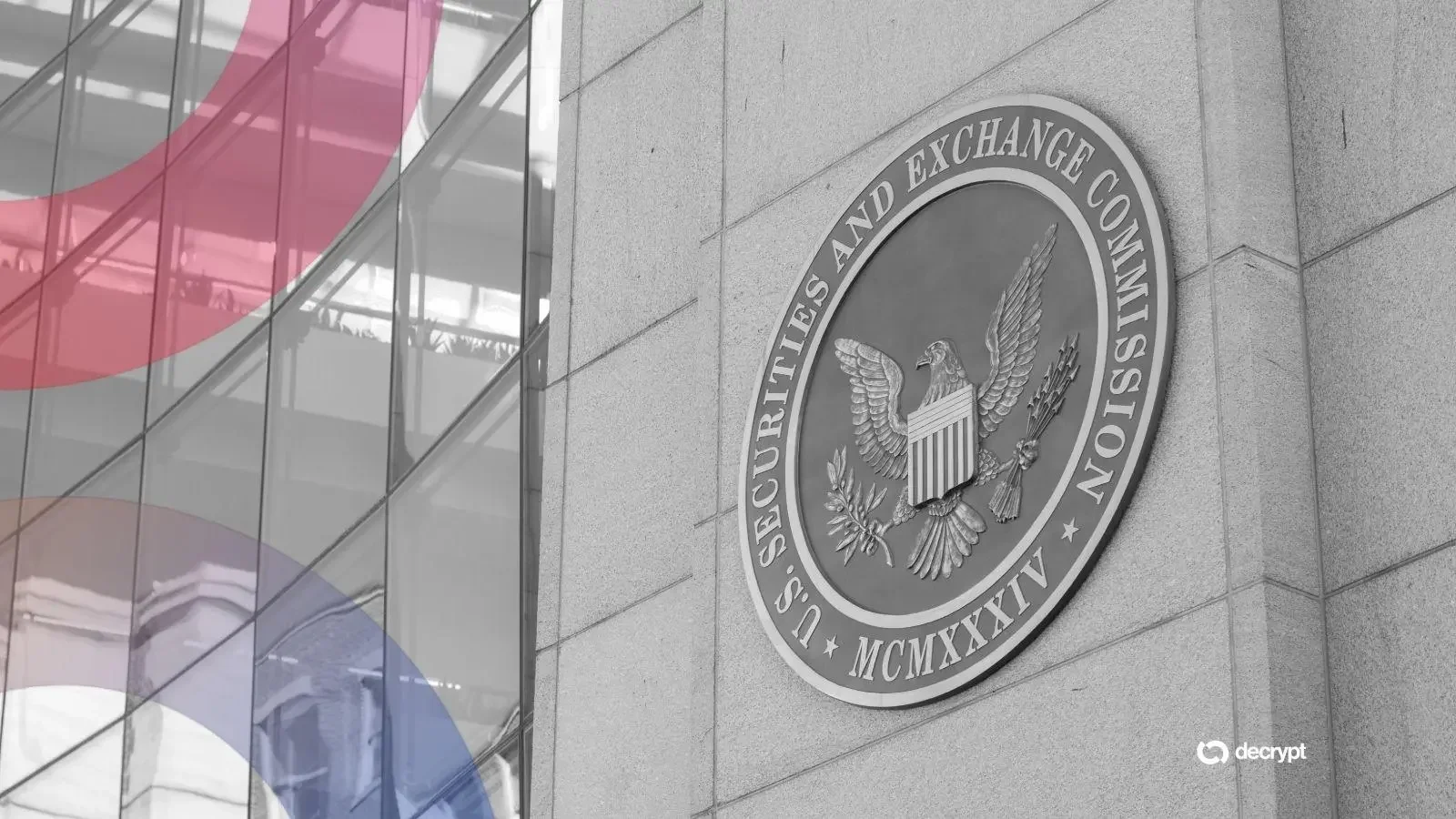
Abrupt Cancellation of Scheduled Regulatory Session
Media coverage published by LBank News, citing original reporting from decrypt.co, revealed that the United States Securities and Exchange Commission called off an open session that had been prominently placed on the agency calendar for Friday morning. During this anticipated gathering, the sitting commissioners were expected to vote on whether to publish a proposed framework designed to create a tailored capital-raising regime specifically for digital assets. This regulatory initiative would have represented a notable departure from traditional enforcement-heavy approaches by attempting to establish formal registration exemptions for early-stage crypto startups and token ventures seeking alternative funding routes.
The official public notice, which was issued under Sunshine Act provisions and bore the signature of agency secretary Vanessa Countryman, confirmed only the cancellation without providing any indication of a future rescheduling date. In subsequent communications with financial reporters, an institutional spokesperson attributed the abrupt halt to an unforeseen scheduling issue while declining to offer further elaboration on the internal administrative hurdles. Industry participants who had been closely monitoring the docket were left with minimal lead time, as the original meeting notice had been posted just days prior with a singular agenda item focused entirely on these long-awaited capital formation exemptions.
Legislative Backdrop and the Stalled Clarity Act
The unexpected suspension of the regulatory meeting materialized directly on the heels of major legislative developments on Capitol Hill, where the United States Senate departed for a multi-week recess without advancing the much-anticipated Clarity Act. Market observers and policy analysts had widely interpreted the scheduled Securities and Exchange Commission vote as an administrative effort to bridge the widening regulatory gap left by the legislative branch. By attempting to introduce targeted exemptions independently, the agency appeared positioned to offer temporary operational clarity to an industry that has long criticized federal oversight for relying exclusively on retroactive enforcement actions rather than clear, proactive rulebooks.
With the legislative vehicle now stalled until at least September, prediction market participants tracking political outcomes have assigned very conservative probabilities to the bill achieving enactment within the current calendar year. The convergence of a stalled legislative process in Congress and the sudden administrative freeze at the regulatory agency leaves digital asset enterprises navigating a landscape devoid of clear statutory guidelines. Startups attempting to plan multi-year product roadmaps must now contend with an extended horizon of regulatory uncertainty, complicating capital acquisition strategies and compounding overall compliance costs across the sector.
Scope of Proposed Safe Harbors and Alternative Regimes
Prior to the cancellation announcement, regulatory leadership under Chairman Paul Atkins had outlined broad conceptual frameworks intended to provide safe harbors for early-stage digital asset experiments. Publicly articulated guidelines suggested that startups valued below specified financial thresholds could potentially operate with regulatory breathing room during their foundational years of development, while entrepreneurs raising capital through specialized investment contracts might benefit from tailored disclosure flexibilities. Furthermore, discussions had encompassed specific provisions for tokens whose creators had successfully ceased all essential managerial efforts, theoretically allowing decentralized assets to transition away from traditional securities classifications.
An additional innovation exemption initiative, which remains in ongoing developmental phases, was designed to permit regulated firms to experiment with blockchain-based equities and related financial products without immediately satisfying every legacy disclosure mandate enforced by federal watchdogs. While the postponed vote would not have established binding federal law, it represented a critical preliminary step by opening these comprehensive concepts to formal public commentary. Because that initial procedural milestone has now been shelved, innovators cannot rely on these proposed safe harbors and must continue adhering strictly to existing, unyielding regulatory frameworks.
Parallel Activities Across Other Federal Regulators
While the Securities and Exchange Commission navigates internal scheduling complications, other federal financial authorities are proceeding with scheduled stakeholder engagements regarding digital assets and emerging technologies. Specifically, the Commodity Futures Trading Commission has maintained plans for its inaugural Innovation Advisory Committee event, featuring an agenda specifically dedicated to exploring the regulatory evolution of cryptocurrency from ambiguity toward structural clarity. Additional sessions during the advisory gathering are slated to address artificial intelligence integration and the expanding role of decentralized prediction markets within financial ecosystems.
However, industry analysts emphasize that advisory committee proceedings and exploratory discussions yield non-binding recommendations rather than enforceable administrative rules or statutory exemptions. Consequently, these parallel federal activities cannot replace the concrete legal relief sought by crypto startups that require dependable capital-raising frameworks. The stark contrast between proactive advisory dialogues and the sudden administrative standstill at the securities commission highlights the fragmented and unpredictable nature of current American financial regulation.
Assessment of Entity Impact and Next Operational Actions
In conclusion, independent reporting from LBank News and decrypt.co establishes that the Securities and Exchange Commission has shelved its highly anticipated digital asset meeting following the Senate recess without the Clarity Act, though this development remains not officially confirmed by the regulator. The affected entities primarily comprise U.S.-based crypto startups, token issuers, and digital asset market participants who were anticipating potential capital-raising exemptions. The immediate change is the complete removal of the scheduled vote and the continuation of strict regulatory ambiguity across the domestic jurisdiction. The next required action for market participants is to maintain conservative compliance frameworks, monitor regulatory portals for any rescheduled announcements, and refrain from incorporating unconfirmed exemptions into operational planning.
It is vital to separate what was reported from what remains unconfirmed in this regulatory situation. While media reports reliably document the formal cancellation notice and the spokesperson's reference to scheduling issues, the ultimate timeline for rescheduling the vote and the substantive future of the proposed safe harbors remain entirely unconfirmed by official agency releases. Crypto enterprises operating within the United States must therefore exercise extreme caution, avoiding speculative adjustments to their compliance strategies until verifiable, binding directives are officially issued by the commission.
Cexvia conclusion
Analytical Conclusion and Operational Outlook
Independent reporting from LBank News and decrypt.co indicates that the Securities and Exchange Commission has postponed a critical meeting regarding digital asset exemptions, occurring shortly after the legislative suspension of the Clarity Act, though this development remains not officially confirmed by the regulator.
- Risk meaning
- The simultaneous stalling of legislative initiatives and regulatory rulemakings introduces prolonged uncertainty for digital asset enterprises operating within the United States jurisdiction. Startups and market makers seeking tailored capital-raising exemptions now face an extended period of ambiguity regarding compliance standards and registration relief.
- User action
- Crypto startups and investors should maintain conservative compliance postures, monitor official regulatory portals for rescheduled notices, and avoid relying on anticipated exemptions until binding agency rules are formally published and enacted.
Continue reading

