Regulatory Risk
SEC Opens Path for Tokenized U.S. Stock Trading Through Five-Year Regulatory Experiment
According to CoinDesk reporting, the United States Securities and Exchange Commission has introduced a five-year regulatory exemption designed to accommodate tokenized shares on public blockchains. This development is not officially confirmed by primary regulatory documentation, but it has generated considerable discussion across digital asset markets regarding compliance pathways for decentralized finance venues and real-world asset tokenization firms.
Regulatory Framework and Scope of the Reported Exemption
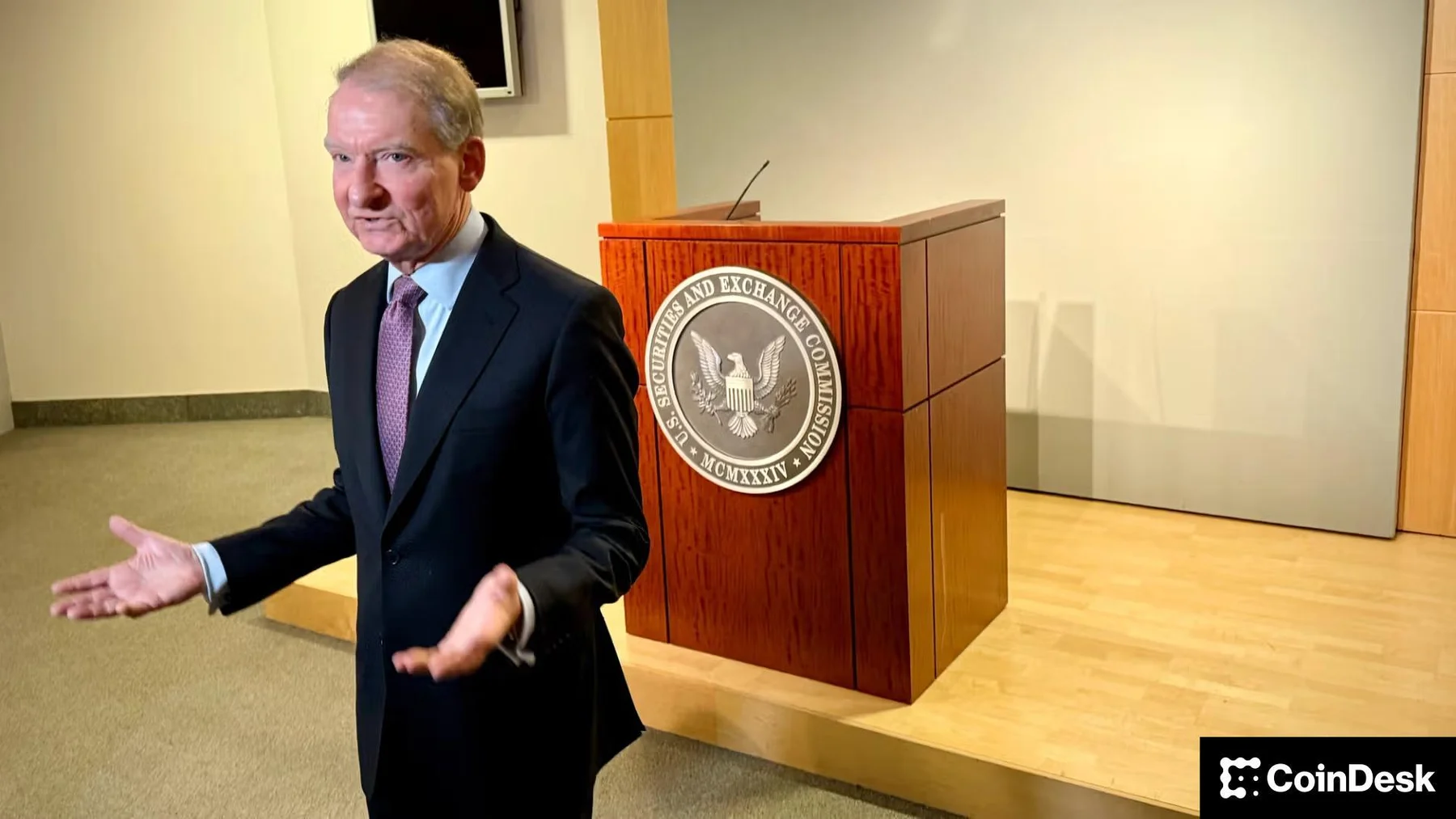
According to reporting by CoinDesk, the United States Securities and Exchange Commission has initiated a five-year regulatory experiment that creates a formal pathway for tokenized traditional equities. The published details indicate that the framework is specifically tailored for digital assets that preserve complete underlying shareholder privileges, encompassing traditional dividends and voting participation. Industry participants and legal commentators cited in the coverage suggest that this development could transform how real-world financial instruments interface with distributed ledger technology across domestic markets. However, observers emphasize that the initiative remains an experimental measure rather than a sweeping overhaul of federal securities laws, meaning that participating entities must navigate a highly controlled environment with strict operational boundaries.
The reported parameters of this initiative delineate a distinct boundary between direct blockchain-based securities and derivative instruments that merely mirror asset valuations. Market observers note that the regulatory approach is designed to test whether automated market makers and decentralized execution venues can safely handle traditional equity instruments without compromising investor protection standards. Despite the optimistic outlook expressed by several digital asset executives in the coverage, market participants must acknowledge that these regulatory adjustments have not been formally finalized through traditional administrative rulemaking procedures. Consequently, firms rushing to adopt these tokenization strategies must prepare for potential adjustments as regulatory scrutiny evolves over the course of the multi-year testing period.
Differentiation Between Genuine Tokenized Shares and Synthetic Products
The media coverage highlights a critical distinction drawn by the reported framework between genuine tokenized shares and synthetic price-exposure instruments. Entities that issue tokens carrying authentic security entitlements, such as Securitize and related custodial platforms, are positioned to benefit from the newly outlined compliance pathways. Conversely, offshore offerings and derivative products provided by entities such as Robinhood, Kraken, and Ondo Finance that merely replicate stock prices without conferring actual shareholder rights fall outside the acceptable parameters of the framework. Executive commentary featured in the publication underscores that putting equities on distributed ledgers should not involve stripping away the fundamental legal rights that characterize traditional stock ownership.
This regulatory stance places immediate pressure on digital platforms that previously relied on synthetic token models to attract retail investors seeking exposure to U.S. equities. Representatives from affected firms have acknowledged that their current product architectures may require substantial redesigns to align with onshore compliance expectations if they intend to participate in the newly sanctioned pathways. Industry analysts interviewed by the publisher point out that failure to adapt these synthetic products could relegate certain prominent trading venues to restricted offshore markets, thereby limiting their addressable customer base. As a result, compliance officers and product development teams across the digital asset ecosystem are actively reassessing their asset offerings to ensure alignment with the reported regulatory expectations.
Integration of Decentralized Finance Infrastructure and Automated Market Makers
Another significant aspect detailed in the reporting involves the formal acknowledgment of decentralized finance trading mechanisms within the proposed regulatory structure. The framework reportedly permits tokenized securities venues to utilize automated market makers on public blockchains, potentially bridging traditional securities markets with decentralized protocols associated with networks such as Ethereum, Solana, and BNB Chain. Prominent decentralized applications, including Uniswap, Aerodrome, and Raydium, are frequently cited by market researchers as potential beneficiaries of this increased utility for onchain assets. However, the report makes it clear that full automation is not being permitted without rigorous administrative controls.
Despite the theoretical potential for integrating decentralized exchange technology, legal experts and protocol developers interviewed by CoinDesk caution that practical implementation will encounter substantial hurdles. The reported framework mandates strict gating requirements, comprehensive customer identification procedures, transaction limits, and ongoing regulatory oversight layered directly on top of permissionless blockchain protocols. Consequently, fully autonomous and permissionless trading environments may find it difficult to comply with these mandatory gating provisions without incorporating centralized infrastructural components. This tension between permissionless innovation and traditional compliance standards suggests that initial adoption rates among decentralized venues will likely remain measured and gradual.
Issuer Safeguards, Veto Rights, and Market Reaction
The reported framework introduces a notable protective mechanism for public companies by granting them explicit veto rights over the unauthorized tokenization of their shares. According to the media coverage, trading venues must provide a mandatory thirty-day notification period to the underlying issuer before facilitating the secondary trading of any tokenized stock. If the target company objects to the arrangement during this notification window, the associated tokens are prohibited from trading under the exemption. This specific safeguard directly addresses previous public controversies where corporate executives criticized third-party platforms for issuing stock-linked tokens without corporate authorization or involvement.
Financial markets responded to the announcement with noticeable stock price movements among publicly traded companies and digital asset service providers operating in the tokenization sector. Publications noted upward share price adjustments for firms such as Securitize and Bullish following the dissemination of the regulatory details, reflecting investor enthusiasm for emerging compliant market structures. At the same time, industry leaders interviewed by the publisher emphasized that market participants should temper their expectations, viewing the initiative as a controlled initial experiment rather than an immediate opening of a frictionless onchain stock market. Companies across the sector are now reviewing their operational procedures to accommodate the mandatory issuer notification timelines and compliance safeguards.
Conclusion and Strategic Outlook for Affected Stakeholders
In conclusion, this factual risk intelligence report outlines the reported five-year SEC regulatory exemption for tokenized U.S. stock trading as documented by CoinDesk. It is crucial to reiterate that these regulatory developments are not officially confirmed by primary agency pronouncements and remain subject to evolving administrative interpretations. The affected entities include tokenization providers such as Securitize and Bullish, decentralized exchange protocols like Uniswap and Aerodrome, and synthetic asset platforms including Robinhood and Kraken. The primary user groups impacted by these reported changes consist of retail digital asset investors, institutional market makers, and corporate issuers seeking to manage their equity representations on public distributed ledgers.
Looking forward, the immediate operational landscape requires affected organizations to adapt their product structures to comply with mandatory customer identification standards, issuer notification periods, and asset categorization rules. Tokenization firms must ensure their products preserve complete underlying shareholder rights, while synthetic product providers must evaluate whether to restructure their offerings or accept exclusion from onshore markets. The next concrete action for all participating entities involves conducting a comprehensive internal audit of their token architecture and compliance workflows against the reported framework parameters to mitigate regulatory exposure.
Cexvia conclusion
Compliance Assessment and Operational Outlook
CoinDesk reported that the U.S. Securities and Exchange Commission has launched a five-year exemption framework allowing tokenized traditional equities to trade on blockchain infrastructure under specific compliance guardrails. The initiative, which is not officially confirmed by official regulatory releases, primarily impacts tokenization providers, decentralized market infrastructure, and synthetic asset platforms operating across global digital finance sectors.
- Risk meaning
- The reported framework establishes a strict compliance boundary between tokenized securities that preserve complete underlying shareholder rights and synthetic derivative products that merely track equity pricing. Traditional custody models and issuer-aligned structures stand to gain legal clarity, whereas offshore synthetic tokens face immediate pressure to restructure their compliance models or risk exclusion from onshore market participation.
- User action
- Market participants operating decentralized exchange protocols, tokenized asset platforms, and retail trading applications must evaluate their structural compliance against mandatory customer identification requirements, issuer notification periods, and trading volume limitations. Custodial and engineering teams should review their token architecture to confirm whether their products maintain full underlying shareholder rights or fall under restricted synthetic categories.

Continue reading