Regulatory Risk Intelligence
U.S. Senate Delays Crypto Market Structure Vote on Clarity Act Until September
According to CoinDesk reporting, the U.S. Senate will not vote on the Clarity Act before its summer recess, though leadership anticipates a vote in September. This delay is not officially confirmed by every legislative office in the same terms, but industry stakeholders note that outstanding political disputes have stalled the timeline.
Overview of the Legislative Delay
Media reporting published by CoinDesk indicated that the United States Senate would conclude its current legislative block without holding a floor vote on the much-anticipated digital asset market structure proposal. Industry observers and participants closely monitoring the policy landscape had previously anticipated that lawmakers might extend their working schedule to address remaining disagreements before departing for the scheduled recess period. However, major political hurdles persisted among members from both political parties, preventing a consensus from forming before the parliamentary break began.
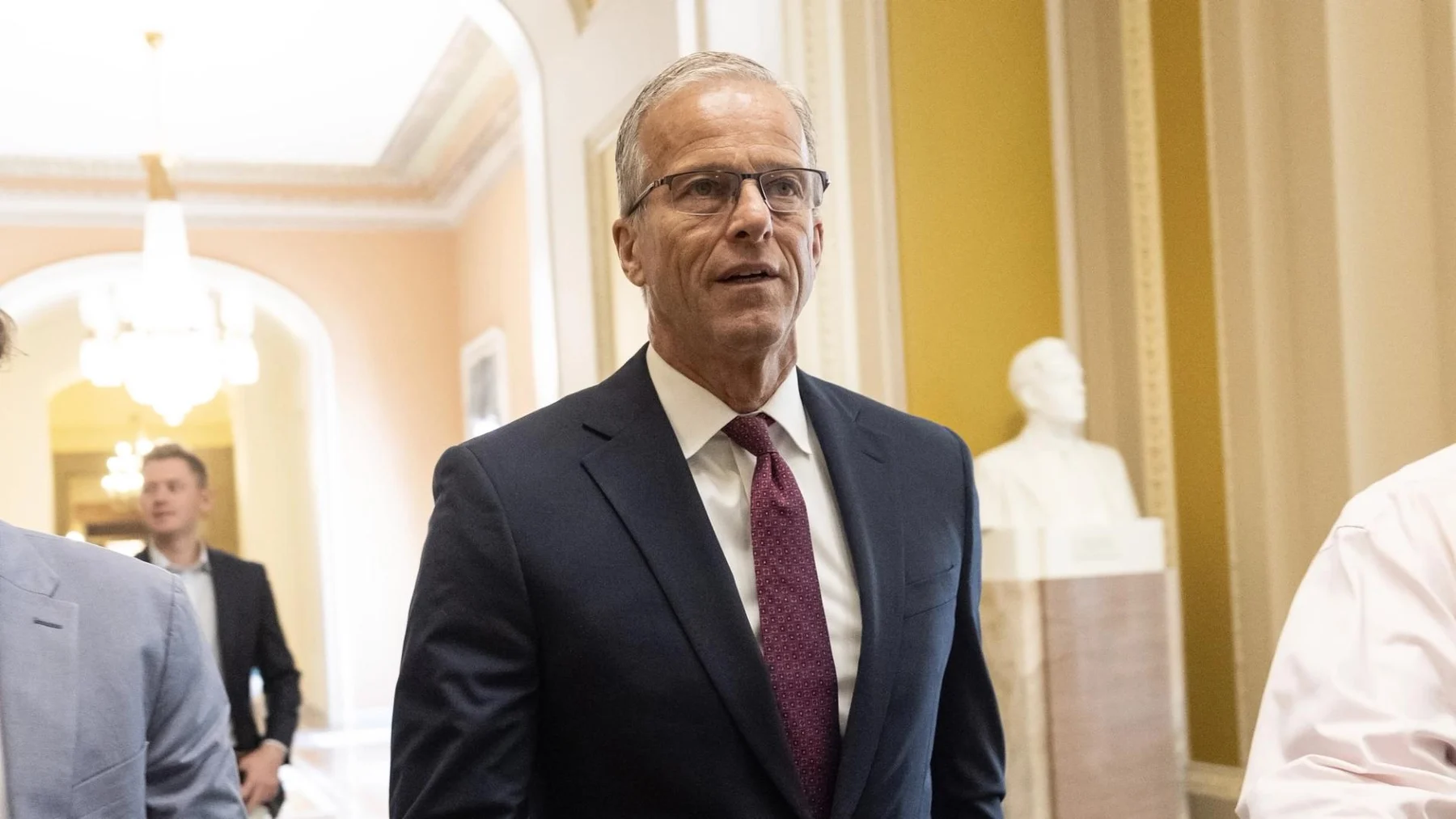
Senate Majority Leader John Thune communicated through a representative statement that while the legislative schedule could not accommodate a floor vote prior to the recess, leadership intended to prioritize the measure immediately upon the return of lawmakers to Washington, D.C. The chamber is scheduled to reconvene in mid-September, leaving a compressed timeframe to resolve outstanding procedural hurdles and policy debates before other governmental funding and national security priorities demand legislative attention.
Political Friction and Ethics Provisions
According to details shared in the media coverage, the primary friction points holding up the digital asset bill extended beyond technical drafting differences into the realm of partisan politics and executive branch oversight. Although the proposed legislation had successfully secured independent approvals from key oversight committees such as the Senate Banking Committee and the Agriculture Committee, lawmakers remained divided over specific ethical safeguards. Specifically, discussions stalled around restrictive language targeting prominent political figures involved in commercial enterprise within the digital asset sector.
Legislative sources cited by CoinDesk noted that while some compromises had been explored, deep concerns expressed by minority party members and certain lawmakers regarding existing conflict-of-interest standards complicated the path forward. Counter-proposals submitted by senators aiming to strengthen oversight measures had been transmitted to executive channels, but the lack of an immediate public response compounded the procedural stalemate. Consequently, the absence of time agreements for the market structure proposal made it vulnerable to being sidelined in favor of other urgent legislative matters.
Broader Legislative Agenda and Competing Priorities
The decision to push the digital asset vote past the summer break occurred within a crowded legislative calendar filled with high-stakes fiscal and foreign policy votes. The Senate focused its final days before the recess on advancing a continuing resolution designed to maintain federal government operations through the upcoming midterm election cycle. Additionally, lawmakers debated a major international sanctions measure and processed a substantial backlog of executive and judicial nominations that required floor debate and confirmation proceedings.
Observers following the parliamentary maneuvers pointed out that opposition from specific voting blocs ensured that any attempt to force a vote on the market structure bill without broad agreement would trigger procedural delays on other essential government business. Given that the proposal required a supermajority threshold to advance successfully, floor managers opted to clear the non-controversial items and defer the complex digital asset debate until congressional operations resumed after the recess period.
Industry Stakeholder Reactions and Concerns
Prominent cryptocurrency advocacy organizations and trade associations expressed disappointment regarding the legislative delay while emphasizing their ongoing commitment to securing a comprehensive regulatory framework. Representatives from groups such as the Digital Chamber and the Crypto Council for Innovation released public statements acknowledging that while the setback was regrettable, industry advocates would continue engaging with lawmakers to bridge remaining gaps before the fall session commences.
Industry executives underscored that prolonged regulatory ambiguity carries tangible operational risks for domestic enterprises and consumer participants alike. Leaders pointed out that every legislative delay risks encouraging entrepreneurial talent, development capital, and user liquidity to migrate toward international markets equipped with clearer compliance parameters. Consequently, stakeholder organizations vowed to intensify lobbying and educational outreach efforts during the recess to ensure lawmakers prioritize the regulatory framework upon their return.
Market Implications and Analytical Assessment
Financial markets reacted to the legislative postponement with subdued price adjustments across major digital assets, reflecting the reality that comprehensive statutory clarity remains months away. Institutional participants tracking the regulatory trajectory noted that while independent committee approvals had signaled positive momentum, political realities in the upper chamber continue to present formidable obstacles to rapid enactment.
Independent risk analysts evaluating the situation emphasized that the reported developments do not alter the fundamental operational compliance obligations currently faced by cryptocurrency exchanges and trading platforms. Because the proposed statutory framework has not achieved enactment, existing enforcement standards and regulatory interpretations administered by federal agencies remain fully in effect, requiring firms to maintain stringent risk management and compliance protocols.
Conclusion and Path Forward
In conclusion, media reporting from CoinDesk established that the U.S. Senate will not vote on the Clarity Act prior to its summer recess, postponing potential legislative action until September. This development, which remains not officially confirmed by final parliamentary votes, directly impacts cryptocurrency exchanges, institutional investors, and retail participants operating within the United States. What changes now is the immediate timeline for statutory oversight, forcing market participants to operate under ongoing regulatory ambiguity rather than a codified market structure.
The next action for affected entities involves closely monitoring procedural updates surrounding the Senate's return in mid-September while maintaining robust compliance frameworks aligned with current regulatory standards. Stakeholders must separate confirmed scheduling reports from unconfirmed legislative outcomes, ensuring that internal risk management strategies account for potential further delays in the policymaking process.
Cexvia conclusion
Legislative Outlook and Immediate Operational Adjustments
CoinDesk reported that the U.S. Senate postponed the Clarity Act vote until September due to unresolved political disagreements, notably regarding ethics provisions and upcoming midterm elections. This development affects the entire digital asset industry and market participants tracking U.S. regulatory developments, and the exact legislative timeline remains not officially confirmed by final procedural votes.
- Risk meaning
- The postponement prolongs regulatory uncertainty for crypto exchanges and market participants operating within or interacting with the United States. Without comprehensive market structure rules, institutional confidence may waver, leading to potential shifts of liquidity and development operations toward international jurisdictions with clearer regulatory frameworks.
- User action
- Digital asset exchanges, institutional investors, and compliance teams should monitor upcoming congressional sessions in September, prepare for potential volatility surrounding legislative debates, and evaluate regulatory compliance strategies in light of ongoing policy discussions.
Continue reading