Regulatory Risk
Senate Cloture Vote on Clarity Act Fails, Dealing Regulatory Blow to Crypto Industry
According to reporting by CNBC Top News, the United States Senate on Tuesday voted to block the Clarity Act from advancing, creating a major hurdle for the digital asset sector's push toward a unified market structure. This development, which is not officially confirmed by legislative roll calls beyond media coverage, leaves comprehensive regulatory reform stalled on Capitol Hill amid partisan disagreements over ethics provisions.
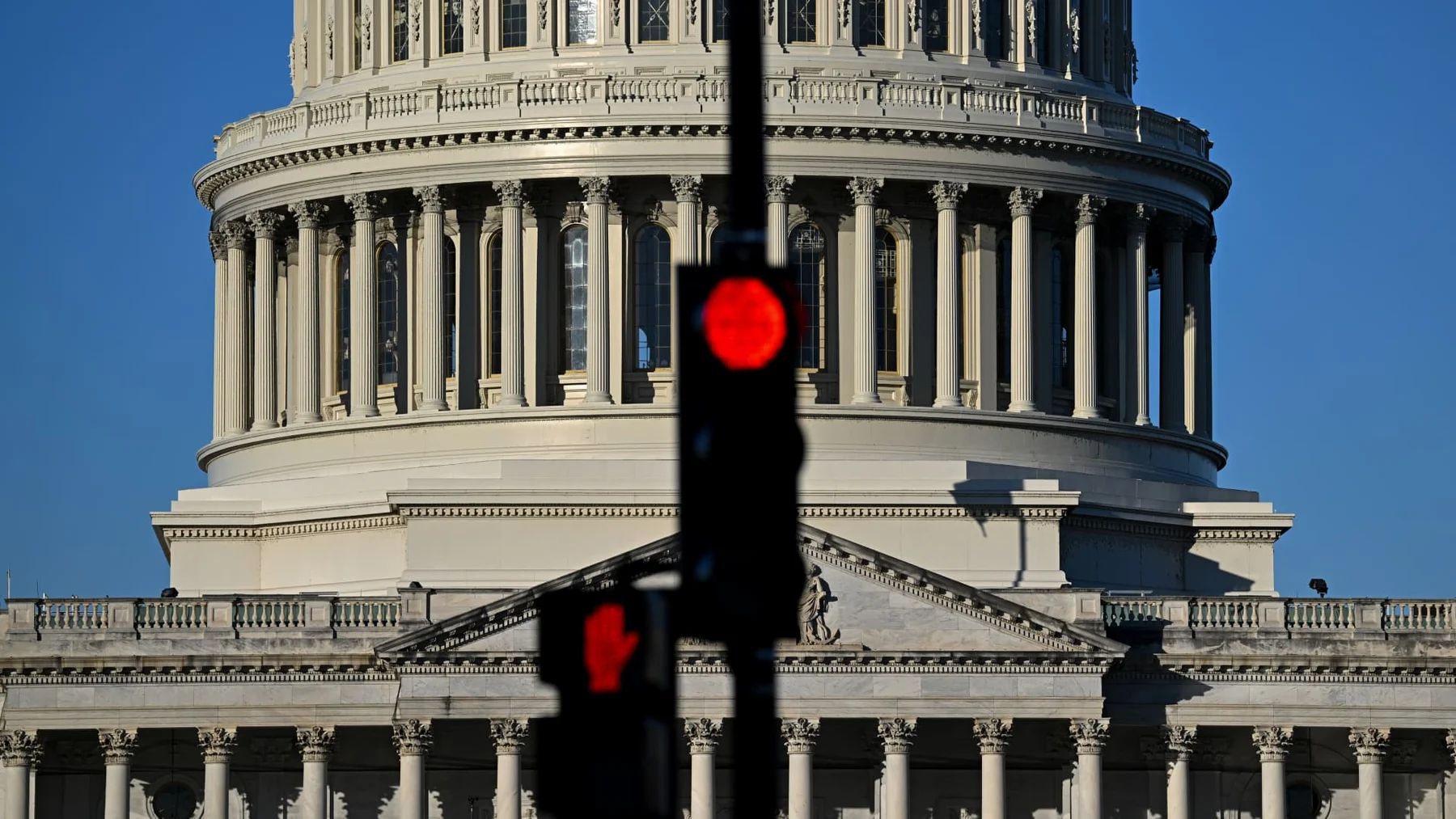
Legislative Procedural Hurdle and Senate Vote Breakdown
According to reporting published by CNBC Top News, the United States Senate on Tuesday voted to block the Clarity Act from advancing, dealing a significant regulatory blow to the digital asset industry. The procedural vote on the motion to proceed attracted fifty votes in favor and forty- against, falling well short of the sixty votes required to clear the procedural hurdle and initiate formal debate on the Senate floor. This outcome leaves the high-profile digital asset bill stalled on Capitol Hill following months of intense negotiations designed to secure crucial bipartisan support. Republican leaders had released a revised version of the legislation shortly before the vote, incorporating new ethics restrictions aimed at addressing Democratic concerns regarding public officials potentially profiting from commercial digital asset ventures.
Despite these late modifications, the revised language proved insufficient to resolve the remaining political opposition. Democratic lawmakers expressed considerable frustration during the debate, arguing that the negotiation process failed to adequately address profits derived from digital asset projects associated with high-profile political figures. Key legislative negotiators criticized the refusal to adopt stricter ethics measures, asserting that the compromised framework fell short of establishing the necessary public trust. The failure to secure the necessary threshold demonstrates the profound difficulty of achieving legislative consensus on digital asset market structure during an election-shortened congressional session, leaving broader regulatory reform initiatives hanging in the balance for the foreseeable future.
Market Reaction and Equity Price Movements
Financial markets reacted swiftly to the legislative setback on Capitol Hill, with major digital asset prices and publicly traded cryptocurrency company shares experiencing notable declines. As reported by CNBC Top News, the price of bitcoin retreated approximately three percent following the announcement of the failed cloture vote. Concurrently, equities associated with prominent digital asset infrastructure providers and trading venues suffered steeper losses amid a broader market sell-off. Shares of prominent cryptocurrency exchange platform operator Coinbase dropped eight percent, while shares of digital asset enterprise Circle slid ten percent during the session, reflecting immediate market sensitivity to regulatory developments in Washington.
Market analysts noted that the negative price action underscores the heavy reliance of digital asset valuations on anticipated regulatory clarity and institutional adoption pathways. Investors who had previously priced in a higher probability of legislative success were forced to reassess their near-term exposure to the sector. The sharp downward movement in equity valuations highlights how deeply intertwined the commercial fortunes of major centralized entities have become with federal legislative outcomes. Consequently, trading desks and institutional portfolio managers have had to adapt their risk models to account for the heightened volatility associated with shifting political dynamics in the United States Congress.
Intended Framework and Division of Regulatory Oversight
The stalled Clarity Act was originally designed to establish a comprehensive statutory framework for the digital asset industry, addressing long-standing jurisdictional ambiguities that have complicated compliance for market participants. According to legislative summaries cited by CNBC Top News, the proposed legislation would have formally divided primary oversight responsibilities between the Securities and Exchange Commission and the Commodity Futures Trading Commission. By establishing clear statutory definitions and registration requirements, the framework aimed to integrate digital asset activities into the established financial regulatory architecture while strengthening existing safeguards against illicit finance and money laundering.
Industry executives and legal experts have consistently argued that clear statutory rules are essential for attracting long-term institutional capital and fostering sustainable technological innovation within the United States. The division of labor between the SEC and the CFTC was intended to provide tailored oversight for different categories of digital tokens, separating traditional securities offerings from commodity-like assets. Because the procedural vote failed to clear the Senate, these anticipated regulatory milestones remain unrealized, leaving market participants to navigate overlapping regulatory mandates and ongoing enforcement actions without the benefit of a unified statutory roadmap.
Alternative Regulatory Pathways and Election Timing Constraints
With comprehensive legislation effectively stalled on Capitol Hill, industry participants and legal observers suggest that regulatory momentum may need to be cultivated through alternative administrative channels outside of Congress. CNBC Top News reported that federal regulatory agencies have already pursued independent initiatives to address industry needs, such as the Securities and Exchange Commission proposing rules to permit emerging startups to distribute up to seventy-five million dollars in tokens without full formal registration. Additionally, the Commodity Futures Trading Commission recently approved the introduction of the first bitcoin perpetual futures products within the United States market, demonstrating that agency-level adaptation continues independently of legislative outcomes.
However, reviving the Clarity Act during the current congressional session faces severe logistical constraints, primarily due to the impending midterm elections. Key senators are scheduled to depart Washington in early October to campaign in their home states, and the House of Representatives is set to recess even earlier at the conclusion of the week. Lawmakers involved in competitive electoral races are eager to return to their districts, making it highly improbable that the Senate will revisit the legislation before the election cycle concludes. Consequently, industry advocates acknowledge that meaningful statutory reform will likely be delayed until next year at the earliest, forcing stakeholders to recalibrate their operational and regulatory expectations.
Conclusion and Strategic Outlook for Market Participants
In conclusion, the reported failure of the Senate cloture vote on the Clarity Act, which remains not officially confirmed outside of journalistic coverage by CNBC Top News, deals a significant setback to the digital asset industry's pursuit of a unified federal regulatory framework. This legislative impasse directly affects cryptocurrency exchanges, institutional investors, and retail participants by perpetuating an environment of regulatory fragmentation and operational uncertainty. While political disagreements over ethics provisions and public official profiting ultimately derailed the procedural vote, the underlying commercial demand for clear digital asset rules remains robust across the marketplace.
Looking forward, affected market entities must adjust their compliance strategies to navigate a decentralized and agency-driven regulatory landscape rather than relying on imminent statutory reform. Exchange operators and digital asset platforms should closely monitor ongoing administrative guidance from both the SEC and the CFTC while maintaining rigorous risk management protocols. Stakeholders must prepare for prolonged regulatory ambiguity extending well into the next legislative cycle, ensuring that compliance frameworks remain adaptable to shifting federal oversight and evolving enforcement priorities.
Cexvia conclusion
Legislative Stall and Market Outlook
CNBC Top News reported that the Senate failed to reach the required threshold to advance the Clarity Act, impacting crypto-related equities and digital asset prices. This legislative setback, not officially confirmed by final institutional gazettes outside of mainstream reporting, directly affects crypto market participants, institutional investors, and digital asset exchanges seeking regulatory certainty in the United States.
- Risk meaning
- The legislative failure highlights the ongoing friction between lawmakers regarding ethics safeguards and digital asset oversight. Without a comprehensive statutory framework, market participants must continue operating within a fragmented regulatory environment managed separately by different agencies, which introduces persistent compliance complexities for cross-border platforms and centralized exchanges.
- User action
- Market participants and digital asset platforms should monitor evolving regulatory interpretations from existing financial authorities while reviewing their compliance strategies. Exchange operators and institutional investors must prepare for prolonged regulatory ambiguity, adjusting their risk management frameworks to accommodate ongoing oversight by both the SEC and the CFTC without immediate statutory harmonization.
Continue reading