Financial markets
Smarkets pursues dual-track expansion in the United States amidst regulatory uncertainty
According to reporting by CNBC Top News, UK-based betting exchange Smarkets is navigating the complex U.S. regulatory landscape by simultaneously applying for federal derivatives oversight and state-level sportsbook licenses, though these expansion efforts are not officially confirmed by regulatory bodies.
Regulatory Background and Dual-Track Initiation
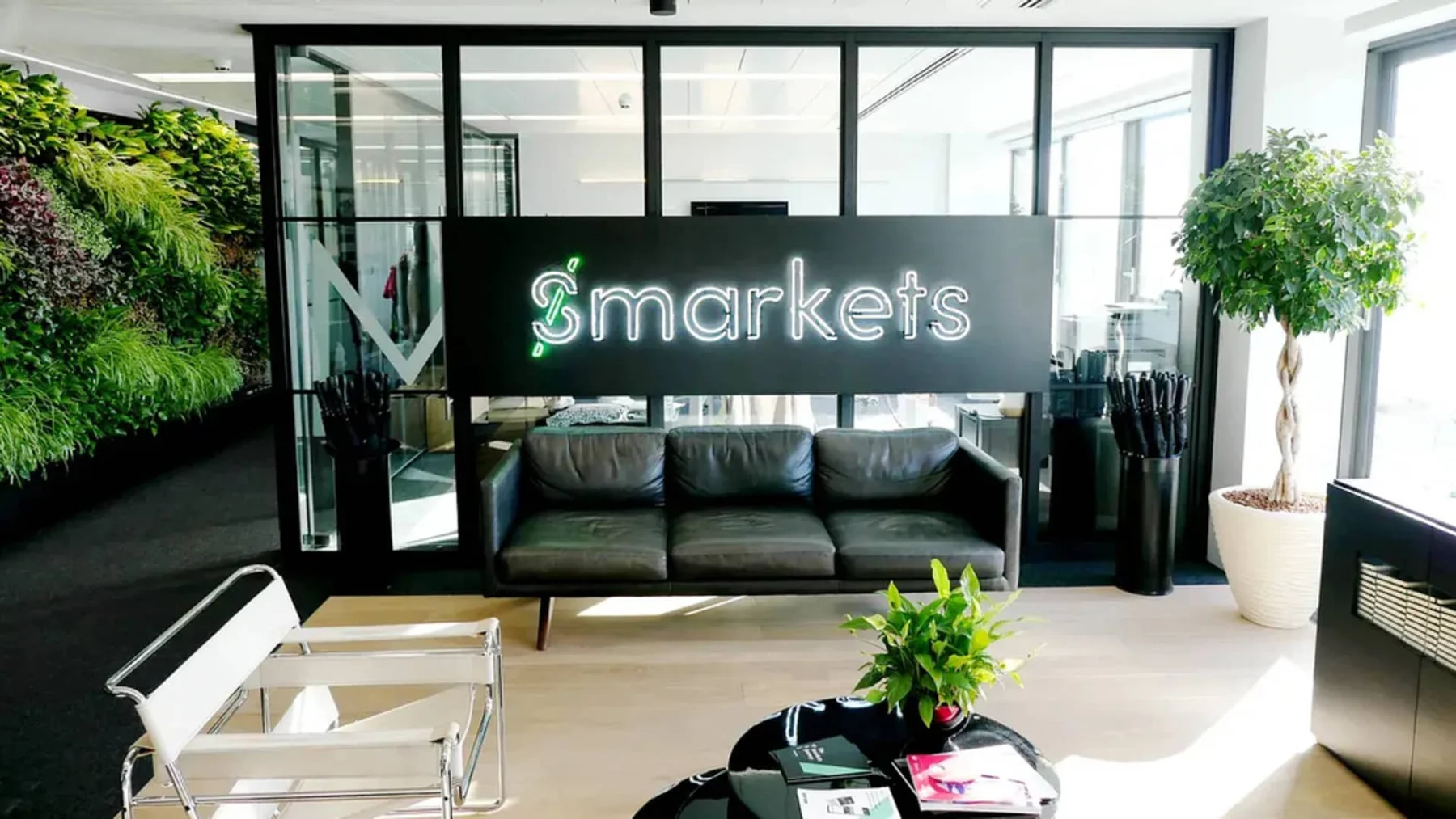
Recent reporting published by CNBC Top News outlines how the UK-headquartered betting exchange Smarkets is attempting to penetrate the highly scrutinized United States financial and wagering ecosystem. The institution, which boasts significant historical trading volume from its European operations, initiated formal engagement with federal authorities by filing documentation with the Commodity Futures Trading Commission. This federal application represents an effort to establish a recognized foothold within the national derivatives and event contract marketplace, aligning with a broader industry trend where prediction market platforms seek formal federal validation.
Simultaneously, the platform has pursued state-level operational credentials by submitting applications to function as a licensed sportsbook in multiple American jurisdictions, specifically highlighting pending paperwork in Illinois, Iowa, and Michigan. According to statements attributed to the company's founder Jason Trost in the reported coverage, this parallel approach was chosen specifically to mitigate the legal ambiguities surrounding federal preemption and state gambling enforcement. By hedging across different regulatory tiers, the organization aims to maintain continuous operational viability regardless of how federal courts and state attorneys general resolve their ongoing jurisdictional disputes.
Jurisdictional Friction and State Opposition
The American prediction market landscape is currently characterized by intense friction between federal regulators and state-level authorities who increasingly view these financial instruments as unlicensed gambling venues. Numerous state regulators have actively pushed back against federally registered exchanges, arguing that event contracts involving sports outcomes directly infringe upon localized gaming statutes and consumer protection mandates. This resistance has created a complex web of compliance requirements where platforms find themselves caught between federal authorization arguments and state-level enforcement actions seeking to restrict local user access.
Adding to this intricate environment, a substantial coalition of state attorneys general recently articulated the position that federal oversight agencies cannot claim exclusive regulatory authority over sports-related event contracts traded on electronic exchanges. In response, federally registered platforms have defended their market position, characterizing state-level restrictions as counterproductive measures that threaten to push domestic participants toward unregulated offshore alternatives. Within this contentious atmosphere, Smarkets has attempted to position itself cooperatively by directly engaging with state regulators in territories where prediction markets face severe regulatory pushback.
Industry Comparables and Strategic Positioning
The dual-track expansion strategy deployed by Smarkets mirrors broader movements observed across the broader digital asset and sports entertainment sectors, where established operators seek multiple avenues for market penetration. Major sports betting incumbents, including prominent entities like DraftKings and FanDuel, have similarly ventured into the prediction market arena to capture shifting consumer demand and bypass traditional regulatory bottlenecks. Industry analysts note that these alternative prediction products often allow parent companies to acquire and engage customer segments much faster in geographical zones where conventional sportsbooks face prolonged administrative scrutiny.
Despite adopting a similar structural approach to market entry, leadership at Smarkets has publicly emphasized a commitment to strict compliance standards while distancing the organization from competitors accused of operating irresponsibly. Company representatives pointed out that navigating contrasting regulatory landscapes in European jurisdictions like Ireland, Malta, and Sweden has provided valuable operational experience in handling strict oversight. By absorbing the high compliance and tax costs associated with localized sportsbook provisions, the firm aims to establish a reputation as a responsible market actor amidst ongoing industry expansion.
Operational Costs and Compliance Challenges
Operating simultaneously as a federal derivatives applicant and a state-level sportsbook operator introduces substantial financial and logistical burdens for any digital exchange. Complying with disparate state regulatory frameworks requires dedicated legal resources, rigorous reporting mechanisms, and continuous adjustments to platform architecture to ensure adherence to local consumer protection laws. Furthermore, the necessity of maintaining adequate financial reserves and paying state-specific licensing fees can significantly compress profit margins, particularly for mid-sized firms attempting to scale across multiple competitive jurisdictions.
In addition to monetary expenditures, the internal corporate governance required to satisfy both federal and state watchdogs demands sophisticated risk management protocols and proactive stakeholder communication. As highlighted in the reported coverage, leadership must carefully balance the preference for centralized federal oversight with the immediate necessity of satisfying regional authorities who retain aggressive enforcement powers. This delicate balancing act underscores the broader operational hurdles confronting financial technology platforms that attempt to bridge traditional gambling frameworks with modern electronic trading innovation.
Evidence Assessment and Actionable Outlook
Based on the factual assertions published by CNBC Top News, Smarkets is actively pursuing a dual-track regulatory strategy involving federal applications with the Commodity Futures Trading Commission and state sportsbook filings in Illinois, Iowa, and Michigan. However, readers must note that these expansion initiatives and licensing applications remain not officially confirmed by the respective regulatory bodies themselves. The current reported evidence highlights a strategic effort by a UK-based exchange to mitigate federal-state jurisdictional uncertainty, yet the ultimate legal status of these applications remains subject to future regulatory determinations and ongoing courtroom battles.
For affected users, traders, and institutional participants engaging with prediction markets and sports event contracts, the primary takeaway is the necessity of heightened vigilance regarding changing platform availability. As regulatory bodies continue to contest the legal boundaries of event-based trading, participants should monitor official announcements directly from exchanges rather than relying solely on prospective expansion reports. The recommended next action for market users is to review individual account terms, assess platform compliance disclosures, and remain prepared for potential sudden access restrictions resulting from unresolved federal and state jurisdictional conflicts.
Cexvia conclusion
Strategic Outlook and Compliance Summary
As reported by CNBC Top News, Smarkets has submitted an application to the Commodity Futures Trading Commission alongside state sportsbook applications in Illinois, Iowa, and Michigan, a strategy that remains not officially confirmed by the relevant regulatory authorities.
- Risk meaning
- The concurrent pursuit of federal and state licenses highlights the structural friction between national market frameworks and localized gambling oversight, exposing participants to sudden compliance shifts and fragmented legal enforcement across jurisdictions.
- User action
- Traders and market participants interacting with multi-jurisdictional prediction markets should closely monitor local legal updates, assess platform compliance disclosures, and prepare for potential operational disruptions resulting from ongoing jurisdictional disputes.
Continue reading