Financial Markets and Risk
Somali Pirate Resurgence Stokes Regional Chaos and Saps Enforcement Resources Amid Conflict
According to CNBC Top News, Somali piracy incidents have resurged in the Red Sea region since the onset of the U.S.-Iran conflict, creating major concerns for global shipping companies and digital asset supply chain logistics. This report is based on media reporting and has not been officially confirmed by an official or first-party source. This development is not officially confirmed.
Resurgence of Maritime Piracy
Recent reporting from CNBC Top News highlights a notable resurgence of Somali piracy incidents across the Red Sea and the Gulf of Aden. After years of relative dormancy achieved through coordinated international naval patrols led by the United States and global partners, security conditions have deteriorated significantly. The onset of the U.S.-Iran conflict has forced naval coalitions to redirect vital enforcement resources away from anti-piracy missions, creating a security vacuum that opportunistic criminal syndicates are actively exploiting. This alarming shift has immediately alarmed global shipping companies, who now face an increasingly hazardous operating environment characterized by rising maritime threats, elevated security vulnerabilities, and unpredictable transit disruptions that directly impact international commercial supply chains.
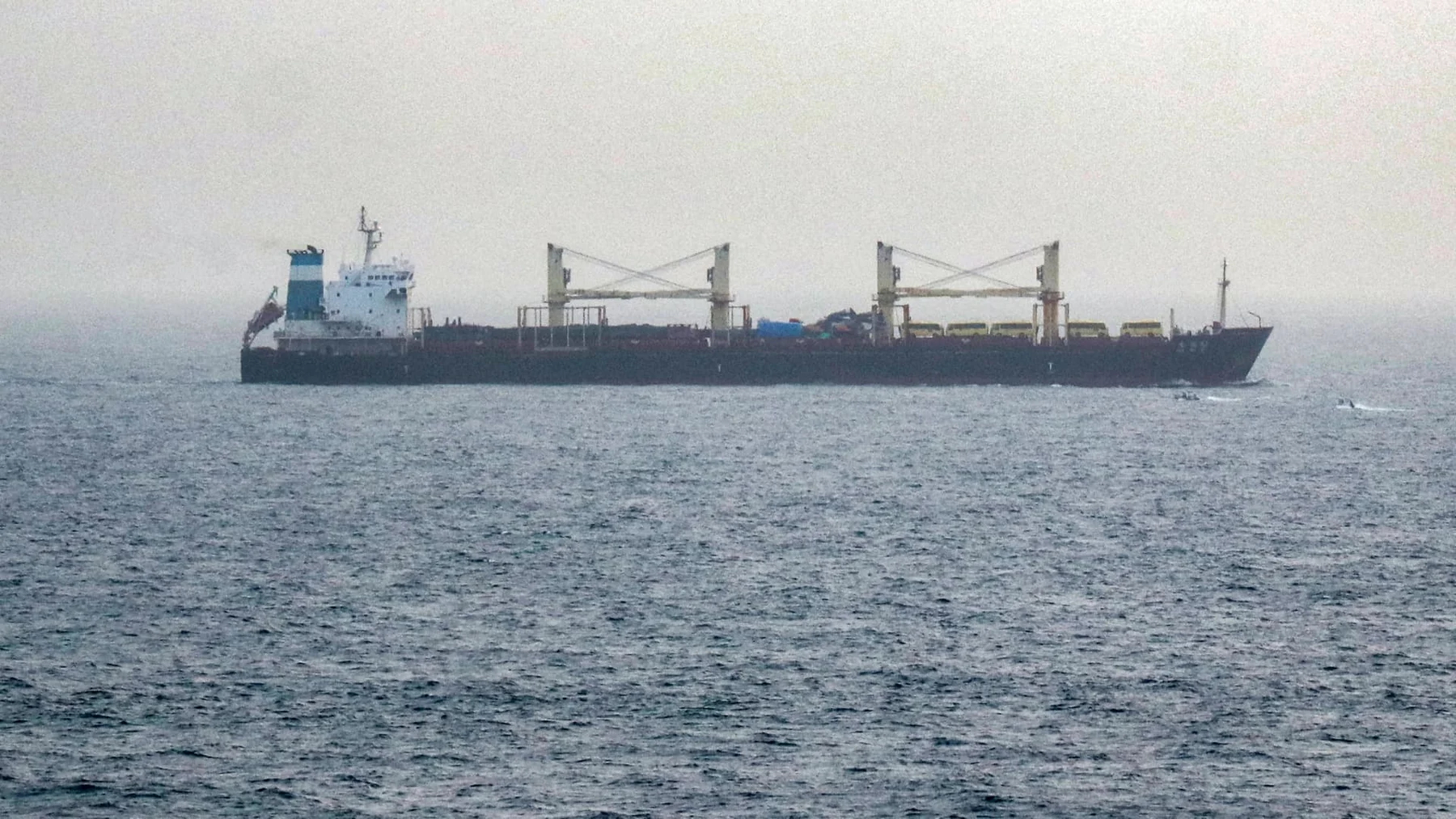
The practical manifestations of this criminal resurgence are already evident in multiple high-profile vessel seizures. On August 17, a cargo vessel named Lutuf was boarded and seized by armed individuals just a short distance off the coast of Somalia. Approximately a month prior, a Tanzanian-flagged oil and chemical tanker identified as the MT Asana was similarly hijacked in the Gulf of Aden and subsequently directed toward the Puntland region. These incidents underscore the growing audacity of modern pirate networks operating in the region. Observers note that severe local factors such as persistent drought conditions, worsening food insecurity, and shrinking humanitarian assistance provide powerful economic incentives for vulnerable populations to turn toward illicit maritime activities despite the inherent dangers involved.
Geopolitical Conflicts and Naval Strain
The broader geopolitical landscape has played a critical role in facilitating this criminal revival. As military engagements involving major powers escalate, enforcement capabilities dedicated to protecting commercial shipping lanes have become severely overstretched. The diversion of naval assets to address regional conflicts has left critical maritime choke points vulnerable to unauthorized incursions. Industry experts consulted by media outlets emphasize that the ongoing strategic confrontation effectively starves maritime security coalitions of the vessels and intelligence apparatus required to maintain effective deterrence. Consequently, criminal syndicates operating out of coastal enclaves have found unprecedented operational freedom to plan, launch, and execute complex boarding operations against vulnerable commercial merchant fleets navigating through these vital international waterways.
Furthermore, the economic pressures driving individuals toward piracy are compounded by broader regional instability. The intersection of armed conflict, economic deprivation, and climate-induced hardships creates fertile ground for criminal recruitment. Shipping executives and risk analysts point out that as traditional livelihoods disappear, the potential financial rewards associated with successful ship hijackings and subsequent ransom negotiations become an overwhelming temptation for desperate coastal communities. This socioeconomic reality ensures a steady supply of willing recruits for pirate organizations, making conventional military suppression efforts insufficient on their own without addressing the underlying drivers of local economic instability and poverty.
Militant Alliances and Strategic Escalation
A particularly alarming dimension of the current maritime crisis involves reports of deepening tactical and strategic cooperation between Somali pirate networks and other militant organizations operating in the region, including the Houthis and Al-Shabaab. According to United Nations reports and maritime security assessments cited by media investigations, these groups have developed increasingly robust ties centered around weapons transfers, joint training exercises, and intelligence sharing. Security specialists warn that a formalization of this relationship could lead to a catastrophic transformation of the regional threat matrix. If sophisticated militant technologies such as advanced missiles, Unmanned Aerial Vehicles, and precision drones are transferred to Somali pirates, the operational capabilities and geographic reach of these criminal groups would expand exponentially.
The potential integration of militant capabilities with pirate networks introduces unprecedented dangers for international commercial shipping. Analysts from prominent global maritime risk intelligence firms suggest that such an alliance could enable non-state actors to establish formidable control over critical geographic bottlenecks such as the Bab-el-Mandeb Strait and the Gulf of Aden. Such a scenario would fundamentally alter the security architecture of the entire region, turning localized piracy into an integrated component of a broader asymmetric warfare strategy. For global logistics operators, this prospect complicates already complex risk assessments, necessitating a total overhaul of security protocols and insurance frameworks designed to protect commercial vessels navigating these hostile waters.
Energy Tanker Vulnerability and Commodity Markets
The ongoing security crisis in the Red Sea has inadvertently driven commercial merchant vessels significantly closer to the Somali coastline as operators attempt to steer clear of active conflict zones further north. This enforced deviation brings ships directly into traditional pirate hotspots, drastically increasing their exposure to sudden boardings. Furthermore, prevailing macroeconomic conditions have made energy carriers exceptionally lucrative targets for criminal syndicates. With global oil and gas prices remaining elevated, energy tankers transporting petroleum products represent extraordinarily valuable cargo at gunpoint. Industry data indicates that a substantial majority of commercial vessels seized by Somali pirates between April and July were specialized tankers carrying refined oil products, illustrating a clear tactical shift toward high-value targets.
This dynamic creates severe ripples across international commodity markets and global supply chains. As energy tankers face heightened risks of seizure, shipowners and charterers are forced into daily operational gymnastics to recalculate transit risks and adjust insurance premiums accordingly. The soaring costs associated with specialized maritime protection, extended transit routes, and exorbitant ransom demands ultimately filter down to consumers through higher energy prices and inflated shipping expenses. Financial institutions and commodity traders financing these shipments must account for these extraordinary risk premiums, which introduce persistent volatility into international trade and financial markets dependent on the secure, uninterrupted flow of global energy resources.
Comprehensive Risk Findings and Outlook
In summary, media reports from CNBC Top News indicate a significant and troubling resurgence of Somali maritime piracy fueled by regional conflicts, reduced international enforcement capacity, and potential alliances with militant groups. This development remains unconfirmed by official or first-party government sources. The affected entities include international shipping lines, energy logistics operators, and commercial commodity traders, while the primary user groups impacted are global supply chain managers and maritime personnel navigating the Red Sea corridor. Operational environments have shifted dramatically, requiring enhanced threat monitoring, dynamic route recalculations, and revised insurance strategies to cope with escalating perils in international waters.
Moving forward, affected stakeholders must take immediate and decisive action to mitigate these emerging threats. Logistics providers and maritime operators must establish continuous intelligence-sharing mechanisms, avoid vulnerable coastal zones where feasible, and consult official security advisories before planning transit routes through high-risk waters. It is crucial to separate verified media reporting from unconfirmed strategic speculations regarding militant alliances while maintaining rigorous contingency protocols. Future actions should prioritize comprehensive risk audits, enhanced onboard security measures, and close coordination with international naval authorities to protect personnel and valuable commercial assets against ongoing maritime threats.
Cexvia conclusion
Strategic Outlook and Risk Evaluation
The reported resurgence of Somali maritime piracy, combined with ongoing regional military conflicts and potential militant alliances, presents severe threats to shipping lanes. This development is not officially confirmed by primary government agencies and affects international maritime operators, logistics providers, and associated digital asset commodity finance participants.
- Risk meaning
- The resurgence of maritime piracy introduces cascading risks to global trade infrastructure, potentially inflating maritime insurance costs, disrupting critical energy and cargo transit, and heightening volatility across commodity and digital asset supply chains.
- User action
- Logistics operators and financial institutions should carefully monitor maritime security updates, reassess transit route exposures, and implement robust contingency protocols to mitigate potential supply chain disruptions.
Continue reading