Financial markets, technology and digital assets
US Military Reports Assisting Massive Crude Oil Passage Through Strait of Hormuz Amid Ongoing Regional Conflict
According to CNBC Top News reporting, United States Central Command stated that military forces have facilitated the transit of over six hundred and sixty million barrels of crude oil through the critical Strait of Hormuz since early May. This reporting remains not officially confirmed by independent maritime tracking authorities, who cite significant tracking complexities and discrepancies between official figures and private commercial monitoring firms.
Military Assistance and Commercial Shipping Operations in the Strait
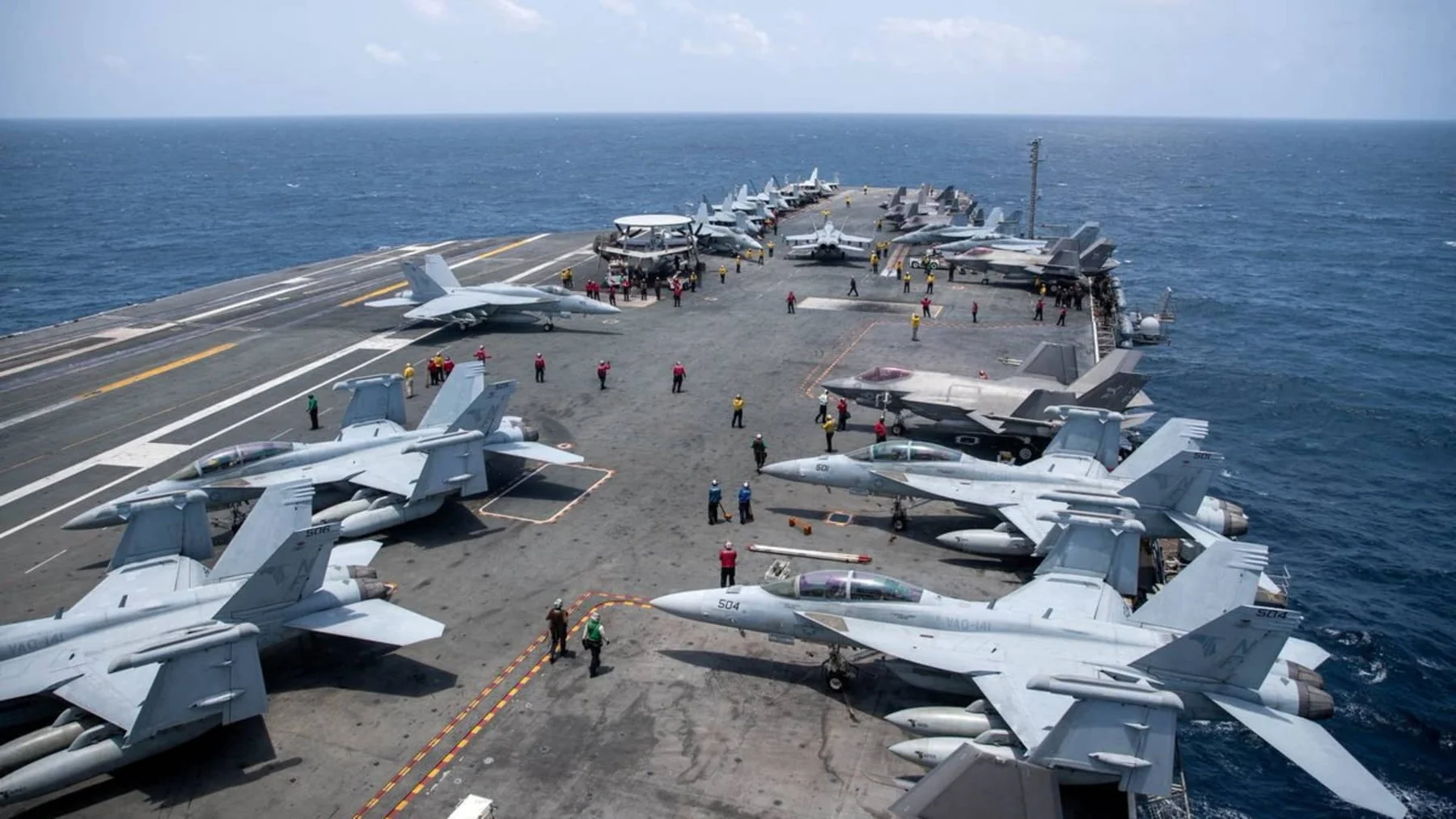
According to recent reporting published by CNBC Top News citing United States Central Command, military forces have actively facilitated the safe passage of more than six hundred and sixty million barrels of crude oil through the strategically vital Strait of Hormuz since the beginning of May. This military intervention has involved escorting approximately thirteen hundred commercial vessels through contested maritime corridors during a period marked by elevated regional tensions and persistent threats to international shipping lanes. Naval representatives emphasized that multiple navigation routes remain technically free and open for commercial transit, allowing energy commodities to flow outward from the Arabian Gulf despite ongoing hostile actions and security countermeasures.
The reported transit figures suggest that at least one hundred and sixty million barrels, equating to a daily average exceeding seven million barrels, have successfully traversed the strategic waterway over the preceding three-week window alone. This assessment builds upon previous military disclosures indicating that five hundred million barrels had been assisted through the passage by late July. Nevertheless, industry experts and logistics analysts caution that current export volumes remain significantly depressed when compared against pre-conflict baselines, during which approximately twenty million barrels of crude oil and refined petroleum products routinely moved through the strait every single day.
Data Discrepancies and Independent Maritime Tracking Challenges
Determining the exact daily volume of crude oil exiting the Strait of Hormuz has proven exceptionally challenging because government estimates frequently diverge from independent observations. United States officials recently suggested that daily exit volumes have approached ten million barrels during recent weeks, while the Department of Energy placed the seven-day moving average near nine million barrels. Conversely, private maritime intelligence organizations utilizing advanced satellite telemetry and commercial tracking algorithms have published considerably more conservative assessments regarding actual vessel movements through the contested waterway during the summer months.
Prominent maritime intelligence entities, such as Windward, estimated that crude oil exports through the strait averaged approximately five million barrels per day in July, representing an incremental increase from previous months. Analysts note that tracking ships during wartime involves immense complexity, as commercial vessels frequently navigate under cover of darkness or utilize covert transmission methods to evade hostile targeting. Consequently, discrepancies between official governmental disclosures and independent commercial monitoring groups highlight the persistent lack of transparent verification mechanisms in active geopolitical conflict zones.
Contested Security Environment and Operational Risk Factors
The security landscape within the Strait of Hormuz remains heavily contested, characterized by conflicting jurisdictional claims and active naval positioning from multiple regional actors. While political leaders have insisted that the critical strait remains fully open and under allied protection, opposing regional authorities have asserted closure conditions tied to unfulfilled diplomatic agreements. The twenty-one-mile-wide waterway is effectively partitioned into distinct operational shipping lanes, with coalition forces securing southern coastal routes near Oman while opposing factions project power along northern territorial waters.
According to data compiled by the International Maritime Organization, at least seventeen commercial vessels fell victim to hostile attacks in and around the strait over the months of July and August, resulting in multiple fatalities and numerous injuries among civilian crew members. Despite these severe physical dangers and elevated operational hazards, tanker operators continue navigating the corridor due to extraordinary financial incentives, where daily earnings and hazardous duty pay reach unprecedented heights for participating mariners. This high-risk environment underscores the fragile balance supporting global petroleum logistics and maritime commerce.
Implications for Global Macroeconomic Stability and Digital Assets
Disruptions and military escorts within critical chokepoints like the Strait of Hormuz generate immediate ripple effects across global financial markets, directly influencing commodity prices, inflationary pressures, and monetary policy expectations. As energy commodities serve as fundamental inputs for industrial manufacturing and global transport, sustained uncertainty in petroleum supply chains translates into broader economic instability. Financial institutions and institutional investors continuously reprice risk assets in response to evolving geopolitical headlines originating from major energy-producing regions.
For the cryptocurrency and digital asset ecosystem, macroeconomic shocks driven by energy volatility pose unique challenges to liquidity providers, decentralized lending protocols, and stablecoin issuers. When traditional financial markets experience sudden stress due to geopolitical conflict, collateral valuations across decentralized finance platforms can deviate rapidly from expected baselines. Consequently, risk intelligence platforms and digital asset exchanges must evaluate how underlying commodity price shifts and supply chain vulnerabilities might influence broader market sentiment and systemic liquidation thresholds.
Conclusion and Risk Mitigation Recommendations
In summary, the reported military assistance involving over six hundred and sixty million barrels of crude oil passing through the Strait of Hormuz highlights ongoing efforts to maintain energy flows during active regional hostilities. However, these figures are not officially confirmed by independent maritime tracking authorities, and significant discrepancies remain between official governmental disclosures and private commercial analytics. Crypto-exchange risk managers and digital asset market participants must recognize that these unverified metrics leave markets vulnerable to sudden sentiment shifts and unexpected macroeconomic volatility.
Moving forward, affected entities including centralized exchanges, derivative traders, and decentralized finance protocols should avoid basing automated risk models on unverified state-level transit claims. Recommended actions include tightening collateral maintenance margins, enhancing real-time monitoring of verified maritime telemetry, and maintaining conservative leverage limits to protect against sudden commodity-driven liquidations. All stakeholders must treat ongoing transit reports with caution until robust, independently verified data confirms sustained stabilization in the region.
Cexvia conclusion
Comprehensive Findings and Operational Next Steps
The reported military-backed oil transit figures indicate substantial energy flows continue despite regional hostilities, though discrepancies persist. These claims are not officially confirmed by neutral industry bodies, directly impacting crypto-exchange risk managers and digital asset derivatives traders monitoring energy-driven inflation and macroeconomic commodity volatility.
- Risk meaning
- Geopolitical disruptions in major maritime energy corridors introduce systemic volatility into global financial markets, which directly affects cryptocurrency liquidity, stablecoin demand, and collateral valuations across decentralized finance protocols that rely on stable macroeconomic assumptions.
- User action
- Market participants must closely monitor verified maritime telemetry, diversify collateral portfolios, implement conservative leverage limits, and avoid over-relying on unverified state-level energy transit metrics during active geopolitical crises.
Continue reading