Sanctions and Compliance
Trump administration targets Chinese and Hong Kong businesses with Iran sanctions
According to reporting by Crypto Briefing, the United States government has applied economic penalties against numerous commercial entities located across mainland China and Hong Kong due to alleged connections with Iranian military networks. These restrictive measures are not officially confirmed by every single targeted party, yet they highlight intensifying diplomatic tensions and potential compliance disruptions across global financial markets.
Escalation of Economic Pressure
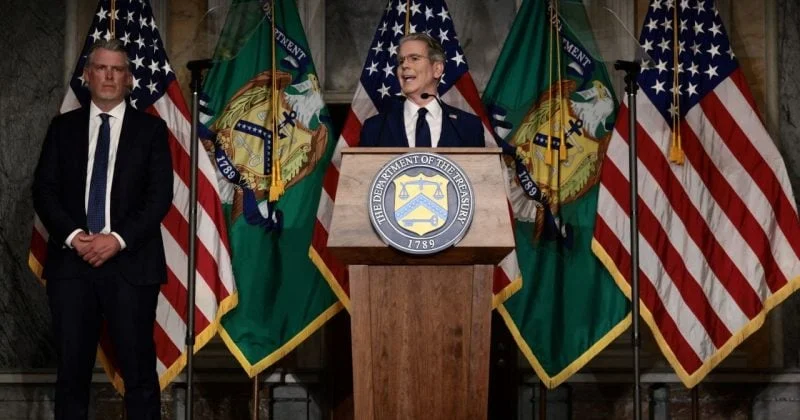
Recent reporting published by Crypto Briefing outlines a substantial escalation in Washington's economic pressure campaign directed at commercial networks operating within mainland China and Hong Kong. According to the published source material, the Office of Foreign Assets Control within the United States Treasury Department has progressively targeted numerous companies and individuals accused of providing material support to the military apparatus of the Iranian state. These reported enforcement measures form part of a broader strategy designed to disrupt procurement channels that supply critical components for military hardware, including unmanned aerial vehicles, while simultaneously attempting to restrict petroleum revenue streams that flow directly to overseas beneficiaries associated with the central authorities in Tehran.
The published coverage indicates that the frequency and scale of these restrictive designations have accelerated significantly over recent months. Analysts monitoring global compliance developments note that the inclusion of numerous Asian intermediaries in these penalty lists demonstrates a persistent effort by Western regulators to close loopholes utilized by foreign actors. While the factual accuracy of every specific allegation remains subject to ongoing verification and has not been universally acknowledged by the accused commercial entities, the administrative reality of these blacklists creates immediate operational consequences for any international financial institution maintaining exposure to the designated territories or handling transactions originating from the identified operational networks.
Structural Vulnerabilities in Regional Hubs
The persistent inclusion of Hong Kong-registered corporate entities in successive rounds of administrative penalties highlights distinct structural characteristics within the regional business environment. As detailed in the reporting by Crypto Briefing, the local incorporation framework allows for the relatively rapid establishment of corporate structures, while the jurisdiction's prominent status as an international financial hub facilitates high volumes of capital movement with minimal administrative friction. For illicit procurement networks or intermediaries seeking to obscure the ultimate destination of sensitive industrial hardware and petroleum products, this combination of sophisticated commercial infrastructure and specific regulatory conditions provides an attractive environment for conducting cross-border operations.
Furthermore, the public documentation associated with these administrative actions reveals intricate webs of front companies operating across multiple international boundaries to mask the true beneficiaries of commercial shipments. The reported targeting of entities such as Sweet Ocean Industrial Limited and various maritime transport providers illustrates the complexity of modern logistical chains utilized to bypass established international trade restrictions. Compliance professionals examining these patterns emphasize that decentralized or traditional financial intermediaries operating within these jurisdictions face heightened scrutiny from overseas regulators, necessitating robust investigative protocols to uncover hidden ownership structures before executing any substantial cross-border financial transfers or trade settlement instructions.
Commodity Markets and Financial Intermediaries
The broader commercial and economic repercussions of these restrictive measures extend well beyond immediate corporate blacklists, directly impacting global commodity markets and international shipping operations. According to the information compiled by Crypto Briefing, when Washington officially designates specific maritime transport enterprises and trading organizations involved in petroleum logistics, downstream commercial participants are forced to recalibrate their supply chains immediately. Buyers of international crude oil and industrial materials must verify the provenance of every cargo to avoid secondary penalties that could effectively sever their access to dollar-denominated clearing systems and major Western financial institutions.
Compliance mandates now dictate that commercial banks, marine insurers, port terminal operators, and international commodity traders must continuously cross-reference their active client databases against continuously updated regulatory watchlists. The reported disruption of high-value shipments valued in the hundreds of millions of dollars demonstrates that enforcement authorities are increasingly focusing on the logistics and financing layers that enable sanctioned trade. Consequently, institutions that fail to implement advanced screening mechanisms risk severe regulatory repercussions, including steep monetary fines, reputational damage, and potential total exclusion from critical international payment clearing networks and correspondent banking relationships.
Regulatory Framework and Compliance Challenges
Navigating the complex matrix of international economic sanctions requires digital asset platforms, traditional financial institutions, and multinational corporations to adopt sophisticated compliance architectures. The reporting from Crypto Briefing emphasizes that regulatory bodies are increasingly utilizing granular corporate data and intelligence reports to identify shadowy corporate networks spanning multiple continents. As these enforcement mechanisms become more targeted and pervasive, compliance officers can no longer rely on superficial customer due diligence procedures, but must instead delve deeply into ultimate beneficial ownership and transaction provenance.
The challenges are particularly acute for organizations operating at the intersection of traditional finance and the digital asset economy, where rapid cross-border settlement speeds can sometimes outpace traditional compliance monitoring systems. Regulators expect market participants to maintain real-time monitoring capabilities that can instantly flag transactions involving newly designated individuals or associated front organizations. Failure to adapt to these stringent compliance expectations exposes corporate entities to significant legal liabilities, highlighting the critical necessity for continuous investment in advanced regulatory technology solutions and experienced compliance personnel across all operational tiers.
Conclusion and Actionable Findings
In conclusion, the factual reporting provided by Crypto Briefing outlines a concerted diplomatic and economic campaign by the Trump administration targeting numerous commercial entities across China and Hong Kong for alleged ties to Iranian military procurement and oil logistics networks. These administrative actions, which remain not officially confirmed by independent judicial authorities or the targeted entities themselves, have created immediate operational and legal challenges for international financial institutions, shipping companies, and cross-border traders. Affected user groups, including digital asset exchanges, payment processors, and global trading desks, face heightened compliance risks and must immediately update their screening infrastructure to account for newly designated blacklisted entities.
The primary change for the affected entities and compliance officers now involves conducting comprehensive retrospective audits of all active client portfolios to detect any latent connections to the newly published Treasury Department designations. The next required action is for risk management teams to implement rigorous real-time transaction monitoring filters and immediately freeze any suspicious fund flows linked to the identified procurement intermediaries, thereby mitigating the risk of secondary sanctions while awaiting further official clarifications from international regulatory bodies.
Cexvia conclusion
Operational Realities and Compliance Implications
The reported enforcement actions by the United States Treasury Department target multiple businesses across China and Hong Kong for alleged facilitation of Iranian military procurement and oil transportation, though these claims remain not officially confirmed by independent judicial bodies.
- Risk meaning
- The escalation of restrictive measures against Asian intermediaries creates significant compliance hurdles for international financial institutions, digital asset platforms, and cross-border trading firms operating within the affected jurisdictions.
- User action
- Compliance departments across centralized exchanges and payment processors must immediately update their screening filters to detect any newly designated entities or individuals linked to these expanding Treasury Department blacklists.
Continue reading