Regulatory Risk
Trump Administration Imposes Sanctions on Chinese and Hong Kong Entities Regarding Iran Connections
According to reporting by Crypto Briefing, the Trump administration has introduced restrictive measures targeting multiple businesses across China and Hong Kong due to their alleged associations with Iran, though these developments are not officially confirmed.
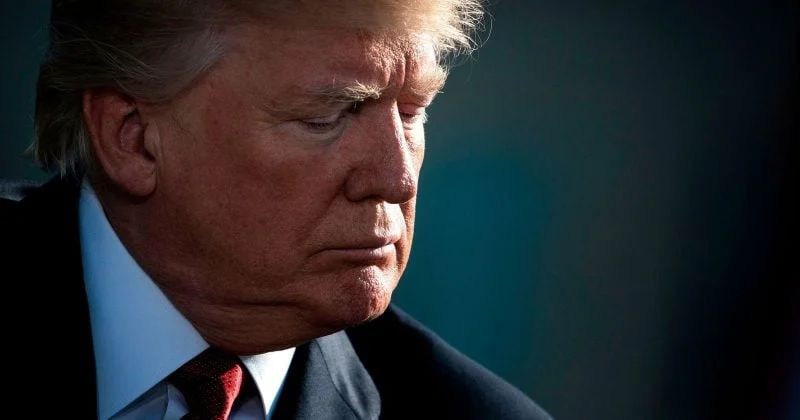
Overview of Reported Restrictions Targeting Asian Entities
Recent publishing coverage by Crypto Briefing indicates that the Trump administration has initiated restrictive measures against several business entities located in China and Hong Kong. The publisher outlines that these measures are specifically designed to disrupt commercial connections linked to Iran. Observers note that this environment reflects a continuation of long-standing economic pressure strategies implemented by Washington. However, independent confirmation from primary regulatory authorities or official government gazettes remains entirely absent at this stage, meaning the published details should be interpreted cautiously as media reports rather than finalized legal decrees.
The reported targets primarily comprise intermediary organizations and corporate vehicles suspected of facilitating trade channels that bypass existing international restrictions. By focusing on these secondary nodes, the strategy attempts to restrict the flow of resources supporting specific regional developments. Industry analysts tracking these developments emphasize that cross-border trade networks across Asian financial hubs face heightened scrutiny. Nevertheless, because the underlying source material relies exclusively on media reporting without primary source validation, compliance officers must distinguish between verified government actions and unconfirmed press publications.
Geopolitical Context and Broader Strategic Objectives
The diplomatic landscape surrounding the Middle East and East Asia continues to experience significant friction, as outlined in the underlying reporting. The reported sanctions are framed within a broader context of deterrence and diplomatic pressure intended to influence foreign policy outcomes. International relations experts suggest that such moves often create ripple effects across global supply chains and financial corridors. As major economic powers navigate these competing priorities, commercial entities find themselves caught in complex regulatory crosscurrents that complicate ordinary operational planning.
Furthermore, the reported measures highlight the intricate web of global commerce where regional disputes intersect with international finance. Analysts quoted in the source material point out that enforcement mechanisms frequently extend beyond primary jurisdictions to target secondary facilitators in global financial centers. This dynamic places an immense burden on institutions maintaining international operations, requiring robust due diligence protocols to identify hidden exposures. Despite the extensive commentary surrounding these geopolitical shifts, stakeholders must remember that official diplomatic channels have not formally corroborated the full extent of the reported actions.
Market Sentiment and Prediction Analytics Response
Financial markets and specialized prediction platforms have begun to process the implications of these reported developments, according to the discovery record. Commentary highlighted by Crypto Briefing indicates that market participants are adjusting probability metrics associated with regional geopolitical stability and specific strategic timelines. Although these speculative pricing shifts demonstrate sensitivity to international news, professional traders are advised to avoid overreacting to unverified press reports. Market liquidity and asset valuations can experience artificial volatility when driven by premature speculation rather than confirmed regulatory updates.
The intersection of prediction markets and geopolitical risk reporting creates a unique environment for quantitative risk assessment. Analysts monitoring these prediction platforms note fluctuations in sentiment indicators as participants interpret the potential trajectory of enforcement policies. However, because the foundational announcements lack official first-party documentation, quantitative models incorporating these signals must account for substantial error margins. Risk managers should maintain strict oversight over automated trading systems that react dynamically to breaking news headlines without prior verification.
Compliance Challenges for Financial Intermediaries
Compliance departments within global financial institutions and digital asset platforms face mounting operational hurdles when handling reports of new international restrictions. The reported targeting of Hong Kong and mainland China entities requires compliance teams to screen customer databases against potentially expanding risk lists. Even in the absence of finalized official documents, prudent risk management dictates that firms evaluate their exposure to secondary entities operating within high-risk jurisdictions. Failing to anticipate such regulatory shifts can expose institutions to severe reputational damage and potential future enforcement actions.
Implementing enhanced due diligence procedures for cross-border transactions involving Asian markets has thus become a primary operational focus. Risk officers must collaborate closely with legal counsel to interpret the practical boundaries of reported sanctions and adjust internal risk scoring models accordingly. At the same time, institutions must avoid arbitrary restriction of legitimate clients based solely on unconfirmed media summaries. Balancing rigorous risk mitigation with fair commercial practices remains a delicate challenge for exchange operators and financial intermediaries navigating today's complex regulatory environment.
Conclusion and Strategic Action Plan
In conclusion, this report addresses the reported sanctions by the Trump administration against various China and Hong Kong entities, which remain not officially confirmed by government sources. The affected entity group comprises commercial businesses and intermediaries operating across Asian financial hubs, while the impacted user group includes international traders, cross-border financial institutions, and digital asset market participants. What changes now is the heightened requirement for proactive compliance monitoring and counterparty risk assessment within these operational corridors, while what remains unconfirmed is the definitive legal scope and official implementation timeline of the reported measures.
As the next concrete action, affected entities and compliance teams must immediately audit their existing counterparty portfolios, enhance screening mechanisms for Asian-linked corporate clients, and establish direct channels for monitoring official regulatory announcements. Stakeholders are advised to rely strictly on verified governmental gazettes rather than speculative press publications when making critical operational decisions, ensuring that risk frameworks remain resilient against evolving geopolitical pressures.
Cexvia conclusion
Assessment of Reported Sanctions and Compliance Implications
The reported measures focus on intermediaries and front companies allegedly helping Iran evade international trade restrictions, though these claims remain not officially confirmed by government bodies.
- Risk meaning
- Such enforcement escalation heightens compliance scrutiny for cross-border cryptocurrency and financial intermediaries operating between Asian jurisdictions and Middle Eastern markets.
- User action
- Affected entities and market participants must review counterparty exposure, enhance jurisdictional compliance frameworks, and monitor official regulatory notices closely.
Continue reading