Regulatory Risk
Trump Urges Congress to Pass Clarity Act During White House Summit
According to reporting by LBank News citing decrypt.co, President Donald Trump urged lawmakers to advance market structure legislation during a White House gathering with digital asset executives. The meeting touched on potential compliance frameworks for Hyperliquid, though these discussions remain not officially confirmed by regulatory authorities.
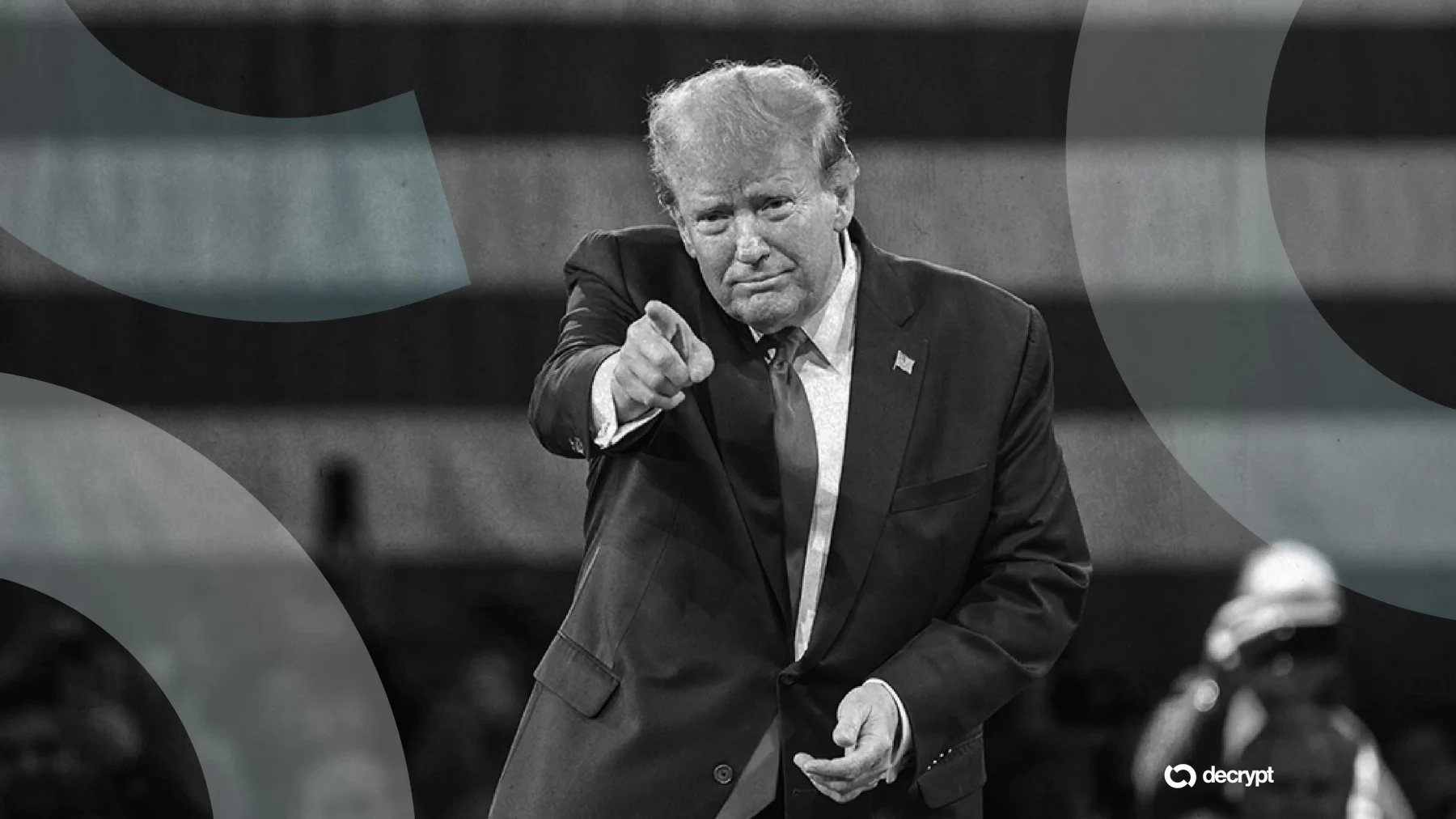
White House Summit and Executive Attendance
A gathering of prominent digital asset and traditional financial executives convened at the White House to discuss the trajectory of domestic blockchain policy. According to reporting published by LBank News through discovery channels, the discussion brought together leadership figures from major platforms and corporate entities. The presence of these prominent executives underscored the growing convergence between traditional financial institutions and digital asset enterprises within the domestic regulatory landscape. Participants exchanged viewpoints on the current operational environment and the necessity for more defined regulatory boundaries to foster innovation.
The convening served as a platform for administration officials to outline their broader agenda for the financial technology sector. Discussions reportedly focused on removing historical barriers that have historically driven financial technology companies toward offshore jurisdictions. Observers noted that the inclusion of leaders from diverse sectors of the financial ecosystem pointed to a concerted effort by the administration to gather wide-ranging feedback. This high-level dialogue highlights the evolving nature of policy engagement between the executive branch and industry participants as the regulatory framework continues to undergo significant structural transitions.
Legislative Agenda and Market Structure Focus
During the discussions, the administration emphasized the necessity of advancing comprehensive market structure legislation through Congress to establish regulatory clarity. LBank News noted that the proposed statutory framework aims to delineate the respective jurisdictions of federal oversight bodies. Proponents argue that clear statutory definitions are essential for maintaining national competitiveness in financial technology and digital assets. Lawmakers face a complex path ahead as they attempt to build the requisite consensus in the Senate before legislative windows close for the upcoming session.
The ongoing legislative debate reflects deeper divisions regarding how digital assets should be classified and supervised under federal law. Industry representatives have consistently voiced the need for transparent rules that protect participants while avoiding the stifling of technological advancement. While the administration continues to press for accelerated congressional action, achieving the necessary votes remains a challenging objective. Market analysts are closely tracking these legislative developments to gauge potential impacts on future token offerings and secondary market operations.
Hyperliquid Compliance Discussions
A notable element of the reported White House discussions involved decentralized derivatives exchange Hyperliquid and potential pathways for domestic compliance. LBank News conveyed that administration officials are examining options to facilitate compliant operations for decentralized trading venues within the United States. Observers pointed out that integrating decentralized perpetual futures protocols into established regulatory frameworks presents unique technical and legal hurdles. These deliberations signify a broader policy interest in engaging with decentralized financial infrastructure rather than relying solely on prohibitionist enforcement measures.
Despite the reporting surrounding these exploratory talks, concrete regulatory approvals or finalized operational structures have not been formally announced by the platform or oversight bodies. Industry analysts caution that transitioning a decentralized liquidity protocol into a fully compliant domestic entity involves intricate legal restructuring. Stakeholders must await official guidance from regulatory agencies to determine the actual feasibility and exact parameters of any such integration. Consequently, market participants should view these reported developments as preliminary discussions rather than established regulatory changes.
Broader Regulatory Context and Agency Actions
The White House summit coincided with broader policy maneuvers across various federal regulatory agencies overseeing the financial and digital asset sectors. LBank News reported that financial regulators are actively reviewing existing exemption pathways and advisory guidelines to accommodate emerging technology business models. These concurrent agency actions suggest a coordinated effort by the administration to implement supportive policies independent of congressional legislative timelines. Observers note that such administrative initiatives aim to provide immediate relief and operational clarity to domestic technology enterprises.
Critics and legal scholars, however, have raised questions regarding the long-term durability of agency-led exemptions without explicit congressional authorization. The interplay between executive policy directives and independent regulatory commission mandates continues to shape the operating environment for digital asset firms. As agencies prepare for upcoming advisory committee meetings, stakeholders anticipate further announcements concerning token issuance exemptions and market oversight standards. The ongoing adaptation of regulatory posture underscores the fluid nature of the current digital asset oversight landscape.
Conclusion and Strategic Assessment
In conclusion, reporting by LBank News indicates that President Donald Trump called for the passage of the Clarity Act during a White House meeting with industry executives, alongside unconfirmed discussions regarding Hyperliquid's compliance. The affected entities include major digital asset exchanges and decentralized trading platforms operating within the United States. What changes now is the heightened focus on federal market structure legislation and potential administrative pathways for decentralized protocols. However, the reported compliance efforts for Hyperliquid remain not officially confirmed by any regulatory authority.
The next action for affected users and institutional participants is to monitor official congressional proceedings and verified statements from regulatory bodies rather than relying on preliminary media reports. Market participants should maintain rigorous risk management practices while awaiting substantive legal developments. Cexvia will continue to track legislative outcomes and agency announcements to provide objective risk intelligence as the federal regulatory framework evolves.
Cexvia conclusion
Assessment of Legislative Push and Regulatory Developments
LBank News reported that President Donald Trump called for a balanced version of market structure legislation during a high-profile industry gathering in Washington. The event included discussions regarding regulatory pathways for Hyperliquid, which remain not officially confirmed by independent oversight bodies.
- Risk meaning
- The reported dialogue highlights potential shifts in federal digital asset oversight and legislative momentum in the United States, carrying implications for exchange compliance strategies.
- User action
- Market participants and platform users should monitor official legislative updates from Congress and regulatory announcements regarding compliance developments.
Continue reading